
Baby and Newborn Hiccups
It’s not unusual for your baby to get hiccups from time to time. Most babies do! Hiccups are usually nothing to worry about, and there are a couple of simple things you can do to help prevent them.
When they happen, they’ll usually go away on their own after a few minutes, but read on to find out how you can help make them go away more quickly.
What Are Hiccups, What Causes Them, and Why Do Newborns and Babies Get Them?
Babies get hiccups from time to time. You may have even noticed your baby hiccupping while he was still in your womb. This may have felt like quick, rhythmic jerks in your uterus. In any case, hiccups are usually nothing to worry about.
What causes hiccups is your baby’s diaphragm moving in a twitchy way or having spasms when irritated. The diaphragm is a dome-shaped muscle at the bottom of your baby’s chest that relaxes and contracts to help your baby breathe.
When the diaphragm gets irritated, it might involuntarily contract, quickly causing air to get sucked in a little more forcefully than a usual breath. When this force of air hits your baby’s vocal cords, they close suddenly. That’s what can make that little “hiccup” sound.
Your baby’s diaphragm might become irritated if he’s eating too fast or too much, or perhaps if he’s feeling excited or nervous about something.
How to Get Rid of Your Newborn or Baby’s Hiccups
If your baby gets hiccups while you’re feeding him, stop and try to burp him or change his position. In general, try to help him relax.
Hiccups usually go away on their own, but if they haven’t gone away after about 5 or 10 minutes, try to start feeding him again. This will typically help relieve them.
When your little one has hiccups, it probably won’t bother him too much. Still, you can help keep him relaxed and comfortable as possible by having some easy playtime, gently rocking him, and making sure his diaper is clean.
How to Help Prevent Hiccups in Your Baby
If your baby tends to get hiccups at feeding times, make sure she’s calm and not overly hungry when you feed her. This typically decreases the chances of her getting hiccups during feeds.
Your baby’s healthcare provider can also provide guidance and reassurance about what to do to help prevent hiccups some of the time. If you have a well-baby checkup coming up soon, you could even ask about it then.
FAQS AT A GLANCE
Hiccups happen when a sudden force of air hits the vocal cords. In response, the vocal cords close quickly, making the “hiccup” sound. Hiccups are quite normal and common in newborns and babies.
When your little one gets hiccups, remember that it’s usually nothing to worry about. Try to slow down her feeding or just make sure she’s feeling calm. Maybe you can stop for a little baby tummy time with her.
Turn your little one’s diapers into rewards and savings by downloading the Pampers Club app today.

- UCSF Beniott Children’s Hospital: Your Baby at 1 Week
- Kid’s Health: Hiccup
- Mayo Clinic: Hiccups
- Book: Caring for your baby and young child birth to age 5, Sixth Edition Paperback – November 2, 2014 by American Academy of Pediatrics (Author)

What Is Newborn Jaundice and How Is it Treated?
What is baby jaundice? It's when your newborn's skin turns yellowish after birth. Learn more about why this happens and treatment measures.
Read more
Giving your Baby Medicine
Even though they need it to get better, our kids might not want to take their medicine. Here are a few practical tips for getting it done.
Read more
Understanding SIDS: Risk Reduction and Safe Sleep Practices for Newborns
Learn about SIDS (Sudden Infant Death Syndrome), its risk factors, and how to reduce the risks with safe sleep practices for your baby.
Read more
Essential Items for Your Medicine Cabinet
Learn what essentials to include in a baby-friendly medicine cabinet and what items to avoid for kids. Keep your baby safe with this comprehensive checklist.
Read more
Oral Thrush in Babies—Why Does It Happen?
Oral thrush in babies is a common yeast infection that can easily be treated. Read more about the causes, symptoms, and treatment of oral thrush in infants.
Read more
Pinkeye (Conjunctivitis) in Babies and Newborns
What is pink eye? Find out what you need to know about conjunctivitis in babies and newborns, and how to treat it.
Read more
Vitamin D Drops for Newborns and Babies
Newborn babies need vitamin D drop supplements—they can’t get enough of the nutrient naturally. Learn why and discover how much vitamin D your little one needs.
Read more
How to Help Your Gassy Baby
Learn all about gas in infants and babies: what is it, why it happens and how you can help your baby get relief.
Read more
What Is Ringworm and How Can It Be Treated?
Ringworm in kids is a skin condition caused by a fungal infection. Read about why it's called ringworm, causes, and treatment.
Read more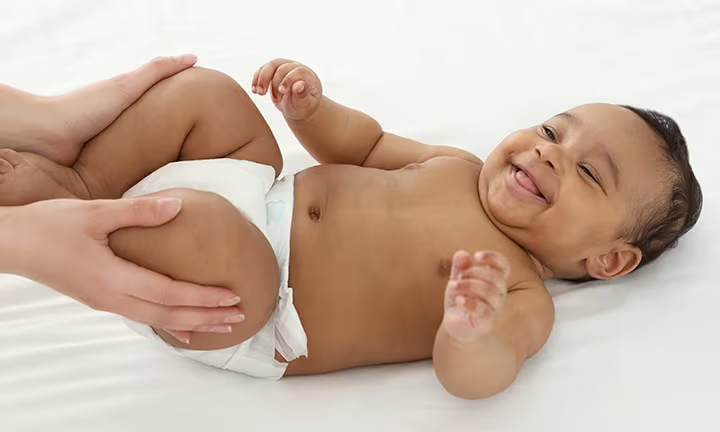
How to Massage Your Baby
You may be wondering when you can start massaging your baby. You can actually start once your baby is born. Learn more about infant massage and its health benefits!
Read moreWhat Is Newborn Jaundice and How Is it Treated?
What is baby jaundice? It's when your newborn's skin turns yellowish after birth. Learn more about why this happens and treatment measures.
Read moreGiving your Baby Medicine
Even though they need it to get better, our kids might not want to take their medicine. Here are a few practical tips for getting it done.
Read moreUnderstanding SIDS: Risk Reduction and Safe Sleep Practices for Newborns
Learn about SIDS (Sudden Infant Death Syndrome), its risk factors, and how to reduce the risks with safe sleep practices for your baby.
Read moreEssential Items for Your Medicine Cabinet
Learn what essentials to include in a baby-friendly medicine cabinet and what items to avoid for kids. Keep your baby safe with this comprehensive checklist.
Read moreOral Thrush in Babies—Why Does It Happen?
Oral thrush in babies is a common yeast infection that can easily be treated. Read more about the causes, symptoms, and treatment of oral thrush in infants.
Read morePinkeye (Conjunctivitis) in Babies and Newborns
What is pink eye? Find out what you need to know about conjunctivitis in babies and newborns, and how to treat it.
Read moreVitamin D Drops for Newborns and Babies
Newborn babies need vitamin D drop supplements—they can’t get enough of the nutrient naturally. Learn why and discover how much vitamin D your little one needs.
Read moreHow to Help Your Gassy Baby
Learn all about gas in infants and babies: what is it, why it happens and how you can help your baby get relief.
Read moreJoin Pampers Club and get:
- PAMPERS COUPONS
- TOOLS & QUIZZES
- PARENTING TIPS
 PAMPERS COUPONS
 TOOLS & QUIZZES
 PARENTING TIPS