giving-a-baby-medicine

Giving your Baby Medicine

2 min readUpdated May 07, 2018

The secret to getting a child to take medicine? Making her believe that she needs it. A child can sense your doubt and will resist no matter what you do, unless you sincerely that believe what's you're doing is best. Be confident and determined to inspire your child's trust and confidence.

Tips for getting your child to take her medicine

  • Prevent choking by making sure your child is standing or sitting up at least a 45-degree angle when taking any medicine.

  • Give liquid medicine along the side of the mouth, about halfway down. If it goes directly to the center of your child's palate, it will trigger a gag. Place tablets on the back of the tongue or they will be spit out.

  • Disguise a medicine's bad taste when possible. Favorite vehicles include applesauce, yogurt, pudding and jam. For the most resistant cases, try soft candy pieces, ice cream or chocolate syrup. If you're mixing in liquids like juice, use only small amounts – a significant part of the medicine will be left coating the cup, glass or bottle.

  • Use a measuring spoon. It's more accurate than ordinary tableware. Better yet, use a plastic medicine spoon with dosage markings.

  • Medicine is not “candy”, so don't refer to it as such. You're setting up a potentially dangerous confusion. Tell it like it is.

  • Always supervise a child younger than a teenager when taking his medicine.

  • Forget bargaining or bribing. The stakes will just escalate. Also, you give the message that taking medicine is a negotiable activity when it really isn't. Give your child some choice in the situation, like which cup he wants to drink a chaser from or what room he wants to take his medicine in, but that's it.

  • Punishment won't work on a child who refuses to take medicine. Most medicine tastes nasty, and we're all programmed to avoid bitter tastes, which are generally poisons when found in nature. Just insist and plow ahead. And when the mission has been accomplished, don't forget the BIG hug and congratulations on a job well done — for both of you!

Age-specific

Here are some specific strategies and techniques based on your child's age. Infants

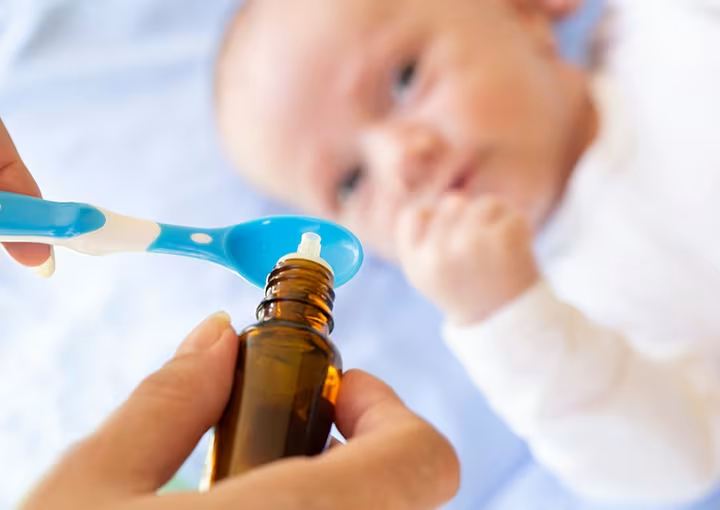
  • Hold your baby at a 45-degree angle, with his hands down and head supported.

  • Using a plastic syringe, a medicine dropper, or a nipple from a bottle, drip the medicine onto the back of his tongue near the sides. Avoid emptying the dropper into his cheek pouches, because your baby will surely spit it all out at his first opportunity. Also avoid squirting the medicine down into your baby's throat, because he might choke.

  • Give him a chaser of milk or juice.

Toddlers and preschoolers

You can reduce the bad taste of some liquid medicines in several ways.

  • Chill the medicine or have your child suck on a Popsicle or ice chips before taking the medicine. Then use a favorite cold drink as a chaser. Cold temperatures numb the taste buds.

  • Mix the medicine with a strongly flavored food such as chocolate pudding or Kool-Aid powder. Make sure your child eats all of the mixed food. You can also dilute the medicine in a strong-tasting liquid such as apple juice, as long as your child will drink all of it.

  • As a very last resort, you could hold your child and give the medicine. If you have another adult with you, one adult can bear-hug the child, holding his arms down and his head at a 45-degree angle. It's disempowering for a child, but praise him afterwards for taking the medicine. Tell him that next time, he'll have the choice of taking the medicine himself or being held.

Related Articles

See more articles
See more articles
Slide 1 of 10
Baby massage
Health6 min read

How to Massage Your Baby

You may be wondering when you can start massaging your baby. You can actually start once your baby is born. Learn more about infant massage and its health benefits!

Jaundice in babies
Health8 min read

What Is Newborn Jaundice and How Is it Treated?

What is baby jaundice? It's when your newborn's skin turns yellowish after birth. Learn more about why this happens and treatment measures.

A crib and toys in a room set up for safe sleep
Health8 min read

Understanding SIDS: Risk Reduction and Safe Sleep Practices for Newborns

Learn about SIDS (Sudden Infant Death Syndrome), its risk factors, and how to reduce the risks with safe sleep practices for your baby.

medicine-cabinet
Health2 min read

Essential Items for Your Medicine Cabinet

Learn what essentials to include in a baby-friendly medicine cabinet and what items to avoid for kids. Keep your baby safe with this comprehensive checklist.

Oral thrush in babies
Health7 min read

Oral Thrush in Babies—Why Does It Happen?

Oral thrush in babies is a common yeast infection that can easily be treated. Read more about the causes, symptoms, and treatment of oral thrush in infants.

Pinkeye in babies
Health5 min read

Pinkeye (Conjunctivitis) in Babies and Newborns

What is pink eye? Find out what you need to know about conjunctivitis in babies and newborns, and how to treat it.

How to Stop Baby Hiccups
Health3 min read

Baby and Newborn Hiccups

Find out how to get rid of baby hiccups. Learn how to soothe your newborn if she gets hiccups.

Vitamin D for babies
Health7 min read

Vitamin D Drops for Newborns and Babies

Newborn babies need vitamin D drop supplements—they can’t get enough of the nutrient naturally. Learn why and discover how much vitamin D your little one needs.

Gassy Baby
Health8 min read

How to Help Your Gassy Baby

Learn all about gas in infants and babies: what is it, why it happens and how you can help your baby get relief.

ringworm in babies
Health6 min read

What Is Ringworm and How Can It Be Treated?

Ringworm in kids is a skin condition caused by a fungal infection. Read about why it's called ringworm, causes, and treatment.

Baby massage
Health6 min read

How to Massage Your Baby

You may be wondering when you can start massaging your baby. You can actually start once your baby is born. Learn more about infant massage and its health benefits!

Jaundice in babies
Health8 min read

What Is Newborn Jaundice and How Is it Treated?

What is baby jaundice? It's when your newborn's skin turns yellowish after birth. Learn more about why this happens and treatment measures.

A crib and toys in a room set up for safe sleep
Health8 min read

Understanding SIDS: Risk Reduction and Safe Sleep Practices for Newborns

Learn about SIDS (Sudden Infant Death Syndrome), its risk factors, and how to reduce the risks with safe sleep practices for your baby.

medicine-cabinet
Health2 min read

Essential Items for Your Medicine Cabinet

Learn what essentials to include in a baby-friendly medicine cabinet and what items to avoid for kids. Keep your baby safe with this comprehensive checklist.

Oral thrush in babies
Health7 min read

Oral Thrush in Babies—Why Does It Happen?

Oral thrush in babies is a common yeast infection that can easily be treated. Read more about the causes, symptoms, and treatment of oral thrush in infants.

Pinkeye in babies
Health5 min read

Pinkeye (Conjunctivitis) in Babies and Newborns

What is pink eye? Find out what you need to know about conjunctivitis in babies and newborns, and how to treat it.

How to Stop Baby Hiccups
Health3 min read

Baby and Newborn Hiccups

Find out how to get rid of baby hiccups. Learn how to soothe your newborn if she gets hiccups.

Vitamin D for babies
Health7 min read

Vitamin D Drops for Newborns and Babies

Newborn babies need vitamin D drop supplements—they can’t get enough of the nutrient naturally. Learn why and discover how much vitamin D your little one needs.