Start with readiness, not age. Most toddlers show signs they're ready for potty training from about 18 months to 3 years—like staying dry longer, showing curiosity about the bathroom, or telling you when they’re wet.
Stick to a simple potty routine. Regular potty breaks (after meals, before bed, and every hour or two) help set the rhythm for success.
Praise every bit of progress. Celebrate even the little wins with high-fives or stickers—and keep your cool if there are potty accidents. Staying positive helps your child believe in themselves.
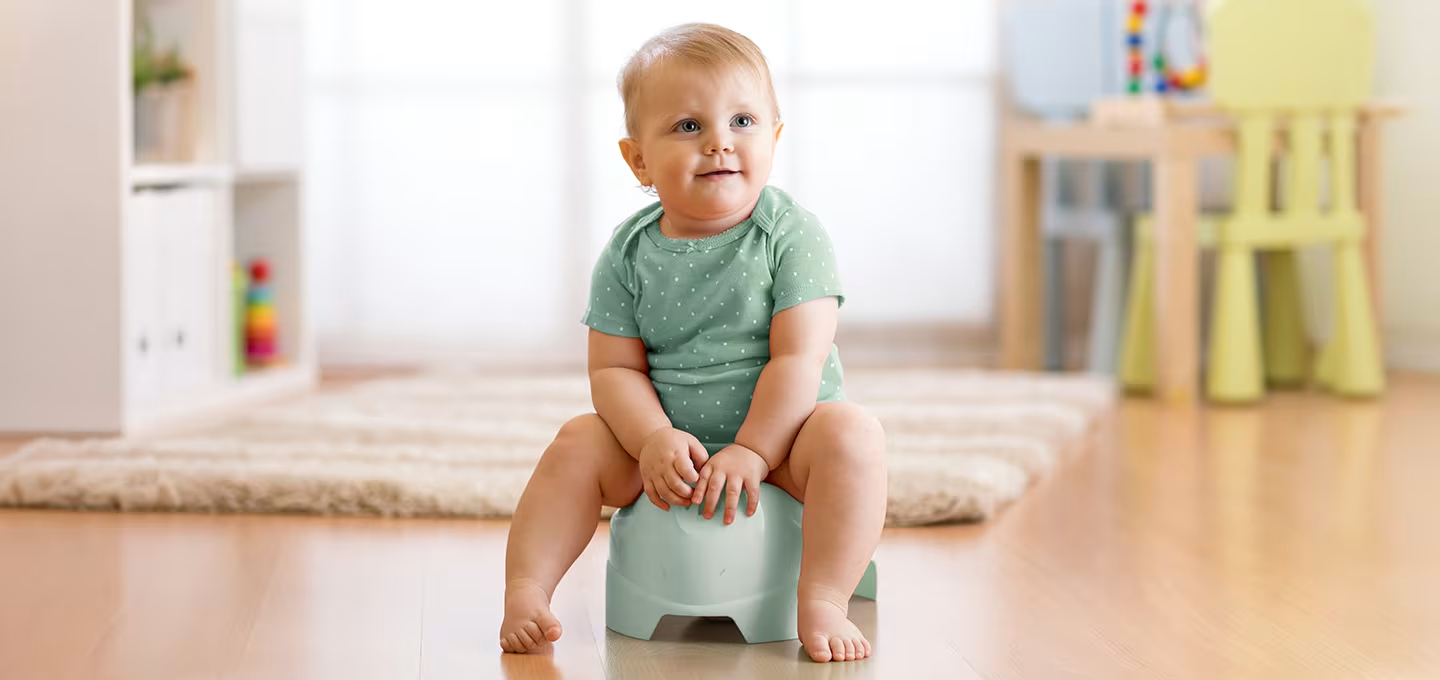
Make things easy for your kid. A child-sized potty, potty training pants – like Pampers Easy Ups –, a step stool, and easy-to-remove clothes all let your child try on their own.
Setbacks happen! Don’t stress. Regression and accidents are totally part of learning. If things stall after age 3 or 4, or your child is afraid or shows pain, touch base with your healthcare provider for toilet training advice.
Potty training is a huge milestone on the way from diapers to independence. Following your child’s cues, being patient, and focusing on a routine can make the potty training journey go way smoother! The best potty training tips always come back to readiness and encouragement. Setting up a training-friendly space—like a cheerful potty in the bathroom—really helps too. If you’re wondering how to potty train, the answer usually starts with making your little one feel comfortable and ready through gentle potty tips.
Here’s what to keep in mind for success:
Look for readiness signs (dry diapers for longer, interest in what you’re doing in the bathroom, showing you they need to go)
Make it a routine (potty time after meals, before bed, and at set times works for lots of families)
Cheer for progress and let accidents pass by without punishment—one of the simplest potty tips for proud, stress-free learning.
Let’s dive into potty training step by step—you’ve got this!
Potty Training Tips
Wondering how to potty train a toddler? You’re in good company—kids are unique, and so are the ways they learn. There’s no single right method, but staying relaxed, consistent, and supportive is what gets results for most families. It’s all about making potty training positive and personalized for you and your child. The following potty training tips can help smooth the way.
We’ve rounded up some easy-to-apply tricks and potty training tips to help you and your child move from diapers to that big-kid feeling.
Starting Potty Training: Setting the Stage for Success
Curious how to start potty training? Get prepared by checking your child’s interest and confidence, then make sure your setup is as hassle-free as possible. This is all about making potty training easy and fun! These early days are when solid potty training tips can make all the difference.
Watch for true readiness. Don’t rush. If you start potty training too early, it could just lead to pressure and setbacks. Wait for those signs your kid is ready—success follows, especially if you use some gentle potty training advice along the way!
Let them choose the potty. Take your little one potty shopping and let them pick the potty chair or seat. Special stickers or decorations are a great way to make it their own. You can also use the fun potty training materials included with Pampers Easy Ups, such as Bluey stickers, to help celebrate milestones and track their potty training progress.
Big-kid underwear gets them pumped! Pick out cute undies or Pampers Easy Ups together. Fun character prints, like Peppa Pig and Bluey on select Pampers Easy Ups designs, can be an extra motivator—they may be excited to wear them and show them off.
Put the potty in a spot that makes sense. The bathroom is great for the classic habits, but if it’s easier in the playroom or their bedroom, that’s fine for now. Easy access helps catch those potty moments.
No child potty?No problem. Some parents start by using the main toilet with a child seat. If so, reinforce the idea that the toilet is how adults go and that this is a great chance to do “grown-up” things. A step stool makes it safe and comfy for them!
Pampers Easy Ups, decorated with Bluey and Peppa Pig, are the kind of potty training pants toddlers love. The 360° stretchy waistband lets your child pull them up and down easily on their own, and they feel just like regular underwear. You also get up to 100% leakproof protection—day or night—for those first weeks of potty training.
related baby tool
Baby Growth Chart Calculator
Keep an eye on your baby’s height, weight, and head circumference to average growth with our simple tool.
Get on a potty schedule. Gently encourage your child to use the potty after eating, napping, or every couple of hours. Soon, they’ll expect it as part of their daily routine.
Recognize the potty cues. Each kid has their own “I gotta go” signs. Grunts, squatting, crossing legs—it all counts. Praise them for telling you about it—even if you’re just in time or just missed it. Recognizing these signs is a great potty tip that makes a real difference.
Don’t skip potty time before sleep and after waking. Try to bring your child to the potty just before bedtime and right when they wake up. Night potty training usually happens later, so don’t worry if it takes some time! Consistency is one of the most valuable potty training tips.
Make clean habits part of the deal. Teach proper wiping (front to back for girls! ), and have boys start out sitting for pees. Teach them to always wash their hands afterwards with soap. These little rituals make a big difference—definite toilet training advice from experts.
If you're curious about how sleep transitions might affect your little one's routine, read about when babies drop a nap to help adjust your potty training schedule as needed.
Parents also ask…
When is the right age to begin potty training?
Every child is different, but usually between 18 months and 3 years. Keep an eye out for those signs—they’ll let you know when it’s time to give toilet training advice a try! Please check also Toddler Development.
How often should I take my toddler to the potty?
Try every 1–2 hours, and after meals or naps. As your child picks up the new skills, they’ll start knowing when they need to go themselves. Learning their own bodily cues is key among many potty training tips.
Making Potty Training Fun and Motivating
Use arewards chart. Hang it where your child can see. Each potty “win” means a new sticker, and they’ll be super proud watching their progress pile up!
Create a potty song. Singing a special song or listening to music on the way to the bathroom (or while they’re there) can help your child relax and make the whole thing much more fun and memorable. Adding music is a unique potty tip!
Praise your child’s efforts. Whether it’s a hug, high-five, happy dance or “Good job! ”—encouragement goes a long way. It keeps your toddler motivated and coming back for more tries. This is one of the most enjoyable potty training tips for parents, too!
Try some diaper-free time. Letting your child go bare at home (especially in the summer) helps them pick up on their body’s signals lightning-fast. It works best for some—see what fits your kid!
Add a little magic. Drop blue food colouring in the toilet and watch it turn green after they pee—or pump dish soap for instant bubbles. These tricks make using the potty cool and interactive.
Boys, meet target practice. Once your little guy is ready to pee standing up, toss a piece of O-shaped cereal in the bowl and let him aim for it. Turn learning into a game for extra motivation—one more fun potty training tip to try!
When thinking of healthy habits for your growing toddler, also consider exploring toddler nutrition to nurture your child during this big transition.
Read together on the potty. Grab a favourite potty book or any fun story. It keeps your little one chill and helps beat bathroom boredom.
Train by example. Kids learn by watching you. If your child wants, let them join you in the bathroom so they can see how the process works—dad for boys, mom for girls, or whatever works for your family!
Use toys for demonstration. Pretend with a doll or teddy bear and act out the potty routine. Your toddler will love teaching their toy, too—add playful elements for fun potty tips.
If your little one is showing lots of independence, it’s a great time to encourage play and development with developmental toddler activities to spark learning and fun.
Helping With Pooping and Toilet Fears
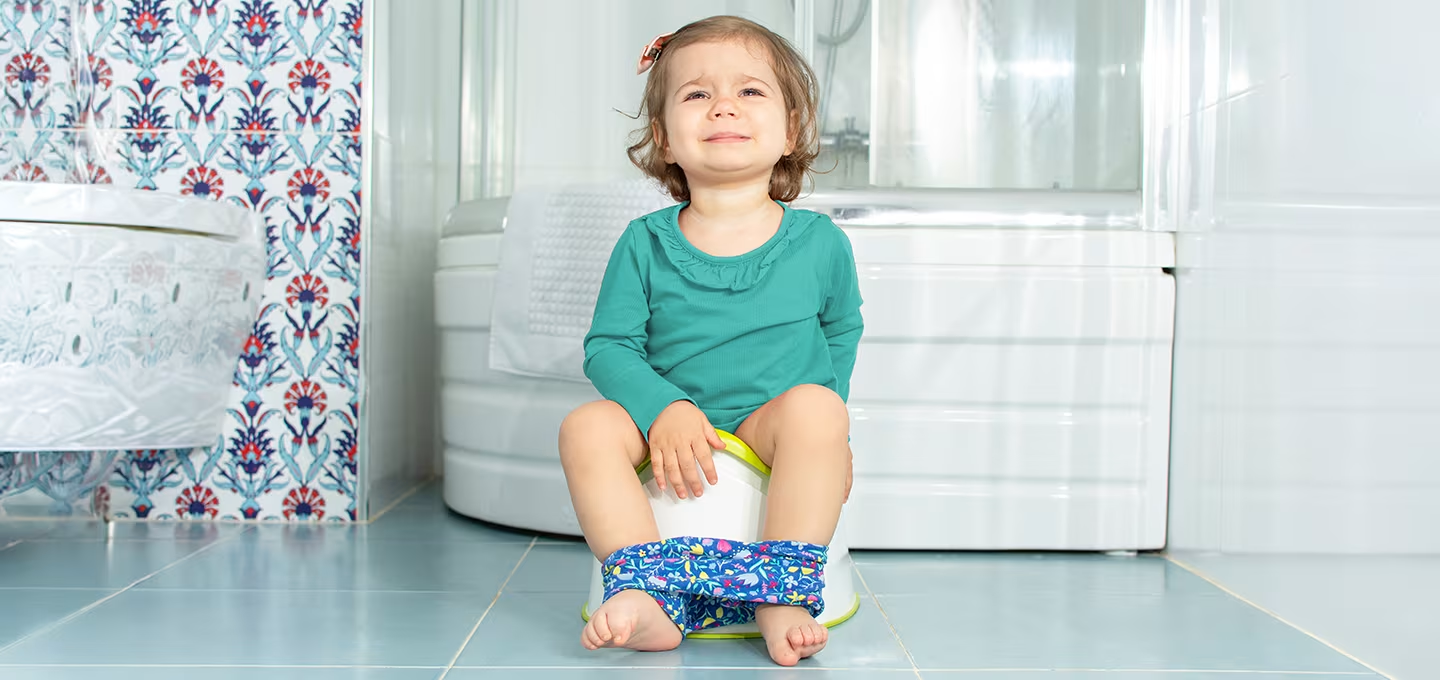
Make pooping less worrisome. Some children get scared about pooping, especially if it has hurt in the past. Talk about how everyone poops, and it’s totally natural, or share a funny, age-appropriate book about it. The right potty training tips can help them relax and build confidence.
Let them flush when they’re ready. For some toddlers, the sound of the flush is scary! Don’t rush it—wait until they’re less nervous, and then make a game out of pushing the button for a fun finish to their bathroom break. Gentle support and encouragement are important points to consider when thinking about how to potty train a nervous child.
Handling Challenges and Setbacks
Don’t expect potty miracles overnight. The three-day potty training method works for some, but it’s not the best fit for every kid. Most families get more results from steady routines and patience—a much more gentle potty training approach with simple toilet training advice mixed in is often best if you want to know how to potty train with less stress.
Try playful reverse psychology if needed. If your child’s resisting, gently joke about sticking with diapers—without any real pressure. Sometimes, a little laugh is all it takes to try again.
Skip the punishment. Potty accidents are going to happen. Stay relaxed, remind your child that it’s not a big deal, and just encourage them to try again later. If your little one isn’t ready, it’s OK to put potty training on hold.
Expect some setbacks and regression. It’s totally normal for potty progress to stall, especially with big life changes or stress. Stay calm, mix in different potty training tips, and give things time. If you’re stuck, check our guide for more potty training regression tips.
When potty setbacks are frequent, make sure to establish a restful environment and consider these toddler sleep strategies, as sleep and potty habits often go hand-in-hand.
Parents also ask…
When should I talk to a pediatrician about potty training concerns?
If your child’s having ongoing pain, seems scared, or hasn’t made real progress after age 3 or 4, your healthcare provider can give potty training advice or help spot any underlying issues.
Is it okay to pause potty training if it’s not going well?
Definitely. Taking a break—then trying again when everyone’s less stressed—works wonders for lots of families. Patience pays off, and every positive step forward counts in potty training!
FAQs at a Glance
The three-day potty training method is like potty boot camp—timed trips to the potty for three days. It gives some kids a fast start, but others need a slower pace. There’s no single right way—just what works for you!
Boys start by peeing sitting down until they’re steady, then you can play a target game for standing up, like tossing O-shaped cereal into the toilet. Dads can demonstrate, but what matters for potty training boys is making it fun and relaxed.
With girls, it helps if moms show by example, and always remind them to wipe front to back. Most find that girls catch on quickly. Just remember: kids develop at their own pace during potty training!
The fastest way is to watch for readiness—like being dry longer, wanting to use the potty, and communicating their needs. Focused practice can help, but the best potty training tips always include patience, routines, and positive reinforcement for lasting results.
If potty training isn’t working by age 4, or if there’s ongoing resistance, pain, or possible constipation, connect with your healthcare provider for guidance. Most setbacks are normal, but you deserve support if things don’t feel right!
The Bottom Line
We hope these potty training tips make the potty training process feel more doable (and less stressful) for you and your child. Every family is unique, so find the potty training techniques that fit your life, and remember—your patience and encouragement really matter. You’re both learning together, and your little one will get the hang of it in their own time.
Don’t forget: you can download the Pampers Club app for points on every pack of diapers and potty training pants you buy during this adventure. Because you deserve a reward too!
How We Wrote This Article
The information in this article is based on the expert advice found in trusted medical and government sources, such as the American Academy of Pediatrics and the American College of Obstetricians and Gynecologists. You can find a full list of sources used for this article below. The content on this page should not replace professional medical advice. Always consult medical professionals for full diagnosis and treatment.


 PAMPERS COUPONS
 TOOLS & QUIZZES
 PARENTING TIPS