
Amniocentesis Prenatal Test


If you’re wondering what amniocentesis is and why it may be recommended, you’re not alone. Many expectant parents are curious about this optional procedure and want to know whether they need it, what it tests for, and what the risks are. Take a look at some of the most frequently asked questions about amniocentesis, but keep in mind that ultimately your healthcare provider will be able to help you weigh your options based on your situation. And, for more helpful information about what to know and prepare for before your little one arrives, download our Pregnancy Guide.
What Is Amniocentesis?
Amniocentesis, also known as amnio, is a common prenatal test that involves removing a little amniotic fluid from the uterus for use in either testing or treatment. Amniotic fluid surrounds your baby in the amniotic sac. Analyzing this fluid, which contains fetal cells, can provide crucial information about your baby’s health, and can help your doctor diagnose or — more often — rule out certain birth defects and genetic or chromosomal disorders. Amnio is also used to assess lung maturity. In the lab, different tests are performed on the fluid based on what the underlying concern is.
Prenatal screening and diagnostic tests are offered to all pregnant women, but because amniocentesis carries small risks, some doctors may prefer to offer it to parents if there is an increased risk of chromosomal or genetic conditions. In general, screening tests (like ultrasound exams and carrier tests for parents) give your doctor information about the chance your baby has a condition. Diagnostic tests, like amniocentesis, give doctors more definite information about whether your baby actually has certain conditions.
Amniocentesis is optional, and there is no right or wrong choice about having the test. Some parents-to-be would like to have as much additional information as possible, while others would prefer not to know. In some situations, having more information at an earlier stage may help you plan your child’s healthcare in advance, and in a small number of cases, doctors may be able to treat certain disorders before birth. Your doctor will review the risks and benefits of the procedure, based on your situation, to help you make a decision you’re comfortable with.
Amniocentesis is sometimes used as a treatment. If you have too much amniotic fluid (a condition known as polyhydramnios), for example, your doctor may recommend amnio as a way to drain the excess fluid.
What Does Amniocentesis Test For?
Amniocentesis can be used to assess many aspects of your baby's health, including:
The fetal lung maturity test may be recommended if an early induction or cesarean section is being considered in a non-emergency situation. In this case, amniocentesis is typically recommended between 32and 39 weeks of pregnancy to see if the baby's lungs are ready for birth.
Amniocentesis can be recommended for other reasons, too. For example, it may be suggested to some moms-to-be in the third trimester to diagnose uterine infections. It can also be recommended to check on the severity of anemia in a baby who has Rh disease.
Why Might My Doctor Recommend This Test?
There are many reasons your doctor may recommend amniocentesis. The genetic amniocentesis test may be recommended for the following reasons:
The fetal lung maturity test may be recommended if an early induction or cesarean section is being considered in a non-emergency situation. In this case, amniocentesis is typically recommended between 32and 39 weeks of pregnancy to see if the baby’s lungs are ready for birth.
Amniocentesis can be recommended for other reasons, too. For example, it may be suggested to some moms-to-be in the third trimester to diagnose uterine infections. It can also be recommended to check on the severity of anemia in a baby who has Rh disease.
What Do the Results Mean?
Most of the time, the results will be normal (negative). Keep in mind, the genetic test can reveal some genetic or chromosomal conditions, but not all. The results of amniocentesis are nearly 100 percent accurate, and your healthcare provider will help you understand the outcome. If the results are positive, your doctor can help you understand your options and may also refer you to a specialist. There may also be support groups available, so ask your provider to put you in touch if this is something you might like. In some cases, you may be referred to a prenatal genetic counselor who can help you understand what to expect, how to prepare, and what your options are. The fetal lung maturity amniocentesis may help reassure you and your medical team that your baby’s lungs are mature enough for an early delivery.
What Are the Risks of Amniocentesis?
Serious complications are rare, but there are risks associated with amniocentesis, which your doctor can help you evaluate. Risks include:
What Happens During the Procedure?
Genetic amniocentesis is typically performed between 15 and 20 weeks of pregnancy. If performed any earlier, there is a higher risk of complications. It is sometimes also performed during the third trimester. Ask your doctor to confirm how to prepare. Typically, if you’re having the test before 20 weeks of pregnancy, experts recommend having a full bladder to help support the uterus, so you'll need to drink lots of water beforehand. If you’re having the test after 20 weeks of pregnancy, an empty bladder may be recommended to help avoid a puncture.
During the test, your provider will ask you to lie on your back on a table. An ultrasound will help your doctor locate your baby within the uterus, and your abdomen will be swabbed with antiseptic. Generally, an anaesthetic isn’t used as most women find it’s only mildly uncomfortable or not painful at all. Using the ultrasound as a guide, the doctor inserts a thin needle through your abdominal wall and into the uterus. A small amount of amniotic fluid (about 1 ounce or 30 milliliters) is removed. You’ll need to lie nice and still, and you might feel some mild cramping during and shortly after the procedure. The doctor will monitor your baby’s heartrate via the ultrasound for a little while after the test. The whole procedure takes only a few minutes, and results are usually available within days or weeks — depending on the exact conditions you’re testing for.

Are There Any Side Effects?
It’s generally best to go home and relax after amniocentesis and to avoid strenuous activities for a day or so. You might also experience mild cramping and pelvic discomfort. Leakage of amniotic fluid and slight bleeding can both occur, but usually stop on their own. Contact your healthcare provider if you
FAQS at a Glance
How do I know if amniocentesis is right for me? After consulting with your healthcare provider and a genetic counselor, who will explain the procedure, its risks, and its benefits to you, the choice to pursue genetic amniocentesis is ultimately up to you. The test may be suggested later in pregnancy to asses fetal lung maturity if an early delivery is planned.
What birth defects can amniocentesis NOT check for? Amniocentesis can only check for genetic and chromosomal abnormalities, so heart conditions and physical deformities like cleft palates will not be detected.
How do I know if I need to have amniotic fluid drained (polyhydramnios)? Your healthcare provider can measure the amount of fluid in your uterus during an ultrasound and will let you know if some amount needs to be drained. Polyhydramnios can come with some abdominal pain and shortness of breath, but these symptoms are common in pregnancy and not always indicative of excessive amniotic fluid.
Like all parents, you want what’s best for you and your baby, and it can be tricky to weigh your options. Your healthcare provider is the expert, and you can also discuss your situation with people you trust when deciding if amniocentesis is something you want to do. Remember, this is an optional test that can provide you with more information, but it’s important to do what feels right for you.


All About Pregnancy Hormones
Explore key pregnancy hormones, their effects on your body, and effective methods to manage these hormonal changes for a healthier pregnancy journey and days.
Read more
Preeclampsia: Symptoms, Causes, and How It Affects Your Pregnancy
Learn about preeclampsia, its symptoms, and how it can affect your pregnancy. Find out how early diagnosis and treatment can protect both mother and baby.
Read more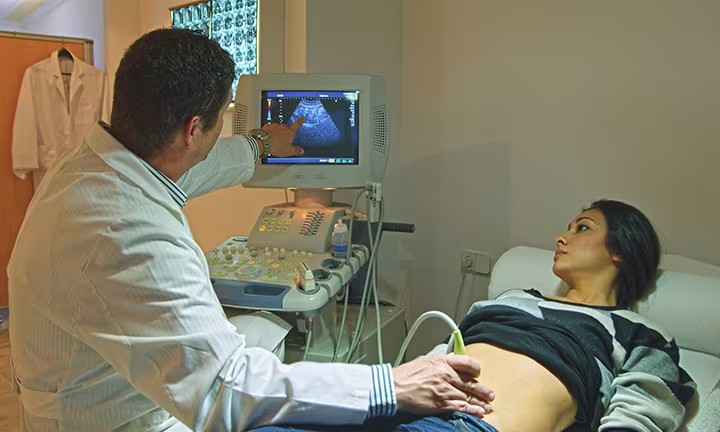
What Is an Ectopic Pregnancy? Signs, Causes, and Medical Care
Learn about ectopic pregnancy, including early signs, symptoms, and treatment options. Understand the risks and what to expect during diagnosis.
Read more
How to Find a Pediatrician: Questions and Interview tips
Helpful guide with interview questions, considerations and tips for choosing the right pediatrician.
Read more
All About Glucose Screening and Tolerance Tests in Pregnancy
Is a glucose test during pregnancy mandatory? What should you do before the test? Find out everything you need to know in order to stay healthy during pregnancy
Read more
Toxoplasmosis In Pregnancy
Learn about toxoplasmosis and its impact during pregnancy. Discover prevention tips, symptoms, and when to seek medical advice for your baby's health.
Read more
FAQ: Is it OK to Have Sex During Pregnancy? Here’s Everything You Need to Know!
It is a common misconception that sex during pregnancy is something you should avoid. Find out how you can have fun while keeping the baby safe.
Read more
Pregnancy Tests Explained: Timing, Accuracy, and Types
Learn how pregnancy tests work, the best time to take one, and how to interpret results. Get tips for accurate testing and confirming early pregnancy signs.
Read more
An Overview of the Pregnancy Trimesters
Curious to understand the pregnancy trimesters better? Not sure how many trimesters in a pregnancy? Visit this page to have a good grasp of all the basics!
Read more
Leaking Amniotic Fluid: Signs, Causes, and What to Do
Wondering if you're leaking amniotic fluid? Learn how to identify it, what causes it, and when to call your provider.
Read moreAll About Pregnancy Hormones
Explore key pregnancy hormones, their effects on your body, and effective methods to manage these hormonal changes for a healthier pregnancy journey and days.
Read morePreeclampsia: Symptoms, Causes, and How It Affects Your Pregnancy
Learn about preeclampsia, its symptoms, and how it can affect your pregnancy. Find out how early diagnosis and treatment can protect both mother and baby.
Read moreWhat Is an Ectopic Pregnancy? Signs, Causes, and Medical Care
Learn about ectopic pregnancy, including early signs, symptoms, and treatment options. Understand the risks and what to expect during diagnosis.
Read moreHow to Find a Pediatrician: Questions and Interview tips
Helpful guide with interview questions, considerations and tips for choosing the right pediatrician.
Read moreAll About Glucose Screening and Tolerance Tests in Pregnancy
Is a glucose test during pregnancy mandatory? What should you do before the test? Find out everything you need to know in order to stay healthy during pregnancy
Read moreToxoplasmosis In Pregnancy
Learn about toxoplasmosis and its impact during pregnancy. Discover prevention tips, symptoms, and when to seek medical advice for your baby's health.
Read moreFAQ: Is it OK to Have Sex During Pregnancy? Here’s Everything You Need to Know!
It is a common misconception that sex during pregnancy is something you should avoid. Find out how you can have fun while keeping the baby safe.
Read morePregnancy Tests Explained: Timing, Accuracy, and Types
Learn how pregnancy tests work, the best time to take one, and how to interpret results. Get tips for accurate testing and confirming early pregnancy signs.
Read moreJoin Pampers Club and get:
- PAMPERS COUPONS
- TOOLS & QUIZZES
- PARENTING TIPS
 PAMPERS COUPONS
 TOOLS & QUIZZES
 PARENTING TIPS