
Common childhood illnesses: sensible solutions and treatments


A cold is probably the illness your child gets most frequently. On average, a child under seven years gets seven to ten colds per year, each lasting one to two weeks. Children over six months don't usually need to see their healthcare provider for a cold unless there is ear pain, sore throat or fever over 102 degrees that lasts longer than a day or two.
Another familiar fact: There's no cure for the common cold. Studies show that decongestants and cough medicines aren't very effective in reducing the symptoms or duration of a cold. Antibiotics are not necessary for an uncomplicated cold and may even set up a child for infections with resistant bacteria later on. The solution: liquids and rest.
Familiar Symptoms
Time for Action
If your child is younger than six and urinates fewer than four times in 24 hours, has parched, dry lips, produces fewer tears when crying, and is significantly more lethargic, he is dehydrated. If he has loose stools containing blood or pus or accompanied by a fever over 103 degrees, contact your healthcare provider.
How to Help
Children over three years old are often embarrassed about diarrhea, particularly if they have accidents. Assure your child that this happens to lots of kids, and never scold him about an accident. If his bottom gets irritated, clean it well and then apply a thin film of petroleum jelly. Kids can be taught to do this themselves with some supervision. Sipping room-temperature liquids slowly through a straw may help prevent dehydration without triggering a quick trip to the bathroom.
Steps to Prevention
How nice it would be if we could prevent all illness. Though that's impossible, it is possible to reduce the occurrence of many common illnesses. Thorough hand washing is the best way. Remind your child to wash his hands before eating, after using the toilet, and after wiping his nose. Other steps to take include establishing a regular sleep routine for your child, offering him a variety of healthful foods, and ensuring he gets plenty of physical activity.
The Upside
On the positive side, minor illnesses in childhood help build a strong immune system that serves a child well his entire life. In addition, minor illnesses offer a time for your child to learn about his body, what germs are all about, and how healing occurs. He'll probably be very interested in why noses run and poop comes so often. You can help your child get a sense of how the body works and heals, how today is better than yesterday, and how others who were sick are now all better. This will give him a growing sense of himself and an understanding that sickness is a manageable part of life. Helping your preschooler this way helps him learn and grow.
Don't Forget the Hugs
Illnesses let your child in on special family rituals like more pillows, cool washcloths for fevered brows, yummy chicken soup, and special backrubs from Mom or Dad. Children will often slip back to a younger age of more cuddles and greater indulgences. Parents like that part too, as they are free to baby their baby. Make the snuggling a special time, and enjoy the opportunity. Things will be back to normal soon!


Everything You Need to Know About Your Baby's Soft Spot
What is a fontanelle? Why does your baby have a soft spot on her head? Read all about your baby's soft spot and when it closes.
Read more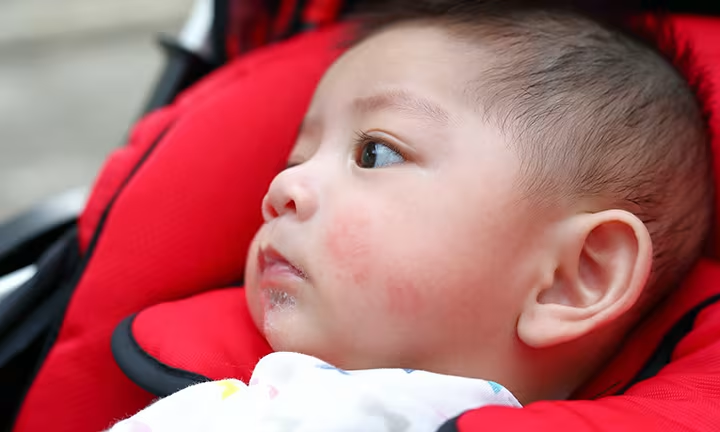
Does Your Baby Have Drool Rash?
Drool rash in babies is often caused by saliva, which causes irritation around the mouth. Read more about how it happens and how you may prevent it.
Read more
Chicken Pox Symptoms and Treatment
Chicken pox is a contagious, yet common infection caused by the varicella-zoster virus. Read more about prevention, symptoms, and treatment of the rash.
Read more
What Is Tongue Tie?
Tongue-tie in newborns is a condition where the tongue movement is restricted and may cause difficulty in breastfeeding. Read more about the symptoms.
Read more
How to Relieve Baby Constipation: Signs, Causes, & Solutions
Learn the signs, causes, and gentle infant constipation solutions to help your baby poop more comfortably.
Read more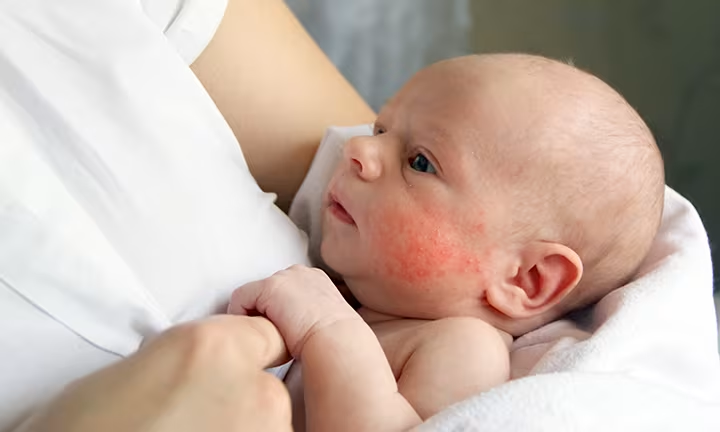
What to Do When Your Baby Has Eczema
Eczema looks like a red, scaly rash and it can cause your baby discomfort and itching. Learn about the causes, symptoms, and treatment.
Read more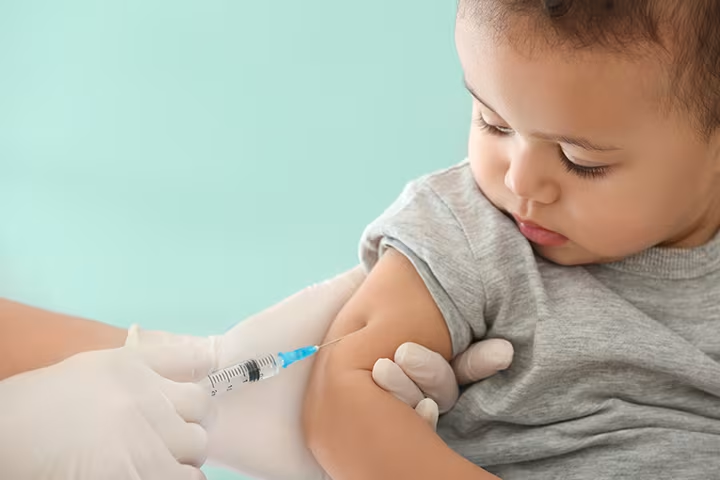
The Recommended Immunization Schedule For Your Child
Stay informed about your child's immunization schedule for family. Learn about the importance of vaccines and the recommended timeline for vaccinations.
Read more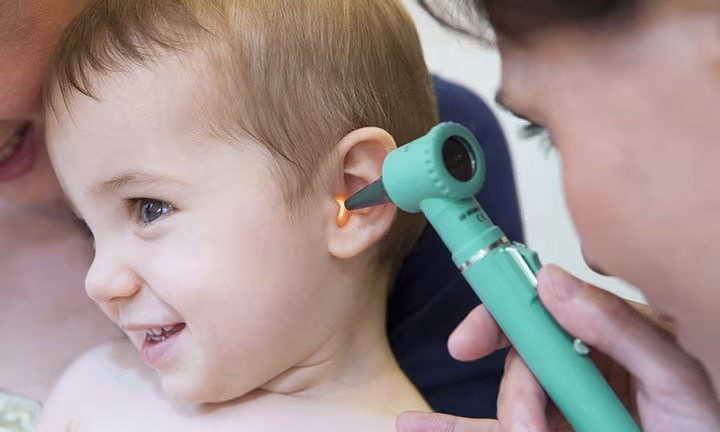
Ear Infections in Infants
Ear infections in babies are very common. Otitis Media, also known as middle ear infection, is the most common kind. Read more about the symptoms and treatment.
Read more
What Is Stork Bite?
What is a stork bite? It's a common type of birthmark—also known as a salmon patch or angel kiss—that appears on newborns. Learn more about it.
Read more
HFMD: Hand, Foot, and Mouth Disease
What is HFMD? Hand, foot, and mouth disease is a contagious viral infection that may cause fever and blisters. Read more about it here.
Read moreEverything You Need to Know About Your Baby's Soft Spot
What is a fontanelle? Why does your baby have a soft spot on her head? Read all about your baby's soft spot and when it closes.
Read moreDoes Your Baby Have Drool Rash?
Drool rash in babies is often caused by saliva, which causes irritation around the mouth. Read more about how it happens and how you may prevent it.
Read moreChicken Pox Symptoms and Treatment
Chicken pox is a contagious, yet common infection caused by the varicella-zoster virus. Read more about prevention, symptoms, and treatment of the rash.
Read moreWhat Is Tongue Tie?
Tongue-tie in newborns is a condition where the tongue movement is restricted and may cause difficulty in breastfeeding. Read more about the symptoms.
Read moreHow to Relieve Baby Constipation: Signs, Causes, & Solutions
Learn the signs, causes, and gentle infant constipation solutions to help your baby poop more comfortably.
Read moreWhat to Do When Your Baby Has Eczema
Eczema looks like a red, scaly rash and it can cause your baby discomfort and itching. Learn about the causes, symptoms, and treatment.
Read moreThe Recommended Immunization Schedule For Your Child
Stay informed about your child's immunization schedule for family. Learn about the importance of vaccines and the recommended timeline for vaccinations.
Read moreEar Infections in Infants
Ear infections in babies are very common. Otitis Media, also known as middle ear infection, is the most common kind. Read more about the symptoms and treatment.
Read moreJoin Pampers Club and get:
- PAMPERS COUPONS
- TOOLS & QUIZZES
- PARENTING TIPS
 PAMPERS COUPONS
 TOOLS & QUIZZES
 PARENTING TIPS