
Baby Poop—The Ultimate Guide


Key Takeaways
Let’s be real, baby poop is way more complicated than most folks expect—especially those first weeks. From that sticky, tar-like stuff in the first days to mustard-coloured poops (and maybe surprise shades in between), it’s totally normal to wonder what’s “okay” and what means you should double-check with your healthcare provider. The truth is that baby poop changes often, and factors like age, feeding method, and development all play a role in the appearance, smell, and frequency.
If you’ve ever wondered about the colour of newborn poop, or what it means if your baby's poop is greenish, you’re definitely not alone.
This guide is here to make sense of all things baby poop, from newborn days to toddlerhood. We’ll break down how the colour, texture, and frequency can shift over time, what those rainbow diapers might mean, and when it’s smart to chat with your healthcare provider. The more you know, the less you’ll stress when you’re on diaper duty—and that means way more peace of mind for you.
Your Baby’s Poop—What’s Normal?
Okay, so what exactly is “normal” baby poop supposed to look like? It’s a solid question—because poop changes as your little one grows, eats, and tries new foods. If you’re wondering about a newborn poop chart or seeking a poop guide for newborns, you’ll find helpful details here.
Here’s a quick guide to what you might find in the diaper during those first days, weeks, and months.
Meconium
Don’t be surprised if your baby’s first few diapers contain a sticky, almost black goo that barely even smells. That’s called meconium (yep, every baby’s first poop).
So, what’s in meconium? It’s basically a mix of mucus, skin cells, fuzzy little hairs (lanugo), and everything else your baby swallowed while swimming in amniotic fluid before being born.
It usually takes a few days for your newborn to clear out all that meconium. As it passes, poops should start looking less black, more greenish-yellow, and less sticky. If the very first poop hasn’t shown up in the first 24 hours, check in with your healthcare provider.

Breastfed Baby Poop
Breastfeeding? Don’t be weirded out if your baby’s poop looks like runny yellow mustard with small white or pale bits that look a bit seedy or fatty. This is totally normal! Sometimes you’ll spot a touch of mucus, too. What you eat can affect the baby's poop colour—lots of spinach, for example, and you might get a little green tinge in that diaper. All part of the adventure.
Formula-Fed Baby Poop
If you’re using formula, expect poops that are thicker—more like paste (but not harder than peanut butter! )—and usually darker yellow or tan. Every baby is different, but these are pretty common traits for formula-fed diaper changes. The baby's poop in these situations may appear different from that of breastfed babies, but both types are usually healthy.
Weaning Baby Poop
As soon as you start offering solids around six months, everything changes! Baby poop gets firmer, the spectrum of colours gets wilder, and the smell—well, you’ll notice it’s a lot stronger, thanks to all those new fats and sugars.
Feeding your little one some finger foods? Don’t be surprised to find undigested bits like pea skins or tomato pieces in their diaper. Their digestive system is just figuring stuff out!
In Summary Meconium—the first poops—look like black tar, and that’s normal (it’s just all the stuff that built up in the womb). After a few days, you’ll usually see yellowish, mushy mustard-like poop if you’re breastfeeding, or tan, peanut-butter-ish poop if you’re using formula. Once they’re eating solids, expect something different every day depending on what goes in their mouth! If you’re ever unsure about the colour of newborn poop, this poop guide for newborns and older infants can be your daily diaper companion. |
Baby Poop Colours: What’s Up With That Shade?
Get ready: your baby’s poop can turn all kinds of yellow, brown, and even green! Mucus can make things look milky or see-through, and both are often completely normal.
Colours to Watch Out For
Some shades can mean your baby needs a little extra care. These are the ones to run by your provider:
Mucus in Baby Poop
Finding a bit of mucus is no big deal—meconium is full of it, and it’s pretty common as your child starts eating more foods. It usually looks a bit clear or cloudy. Mucus might also affect the colour of newborn poop.
If you see other symptoms with the mucus, like blood, diarrhea, high fever, not eating, sick-to-their-stomach, or lethargy, check in with your provider for advice. Better safe than sorry, especially for little ones.
Baby Poop Colour Chart

How Often "Should" Your Baby Poop?
There’s no magic number when it comes to how often babies poop—it shifts as they grow and as their tummies develop, plus what they eat plays a role too.
If You’re Breastfeeding
Your baby may poop more often than formula-fed babies. Usually, for the first few weeks, that means 2 to 5 poops per day until about 6 weeks old. After three to six weeks, some breastfed babies stop pooping daily—that’s okay! Their bodies start using breast milk so efficiently that there’s less solid waste. Also, by then, colostrum (the first breast milk that’s kind of a laxative) is usually gone. It’s normal to see changes in the baby poop colour during this period.
If You’re Using Formula
Formula-fed babies might poop once a day, but sometimes it’s every other day—and that’s often fine as long as their poops are soft and comfortable for them. Softness and the baby poop colour both matter more than frequency.
If you’re ever unsure about your baby’s pooping habits, your healthcare provider is there for you.
How to tell if your baby has pooped Sometimes, early baby poop doesn’t even smell, so how do you know when to change a diaper? Watch for straining and those hilarious red-in-the-face expressions (you’ll quickly learn your child's “poop face” and, later, their squatting pose). And feel free to sneak a peek down the back of the diaper instead of taking the whole thing off. Parenting hack! |
What If There’s No Poop?— Constipation
Since every baby is different, you might wonder if there’s such a thing as not enough baby poop—or how many days a newborn can really go between poops.
Constipation happens more with older babies on solids, but sometimes even newborns have a tough time. Look for these signs:

For newborns
Firm stools that come less than once a day may indicate newborn constipation.

For older babies or toddlers
Hard, compact stools that only come every three or four days.
In a baby or child of any age
Large, hard, and dry stools that are painful to pass; blood on or in your child’s stools; your child strains for more than 10 minutes without passing any stool at all.
Worried about constipation? Always ask your provider before giving your baby any medicine—including laxatives.
Can Your Baby Poop Too Much?
Dirty diaper mountain? Sometimes babies just poop a ton, and it’s totally normal. As long as your baby’s poop is soft and your little one is gaining weight, don’t sweat it.
If your little one suddenly starts pooping more than usual (especially if it’s watery or mucusy), or there are other symptoms—like a fever above 100. 4°F—that could be diarrhea. Babies under 3 months get dehydrated quickly, so reach out to your healthcare provider if you see these changes.
Heads up: Newborns sometimes save up a bunch of little poops and let ’em rip all at once! If you think the show’s not over, waiting a minute can sometimes spare you an extra change.
And remember: every diaper could earn you Pampers Cash that you can turn into rewards. Download the Pampers Club app and score some perks!

So What Does Baby Diarrhea Look Like?
Honestly, newborn poop already has a loose texture, so telling diarrhea from regular poop can be tough. Most times, baby diarrhea means a noticeable pattern change: suddenly looser, way more frequent, and soaks right into the diaper.
Signs of diarrhea in babies:
If you see this plus fewer wet diapers, crankiness, or fever, watch especially for dehydration. And if your gut says something’s just not right—or your baby’s under 3 months—reach out to your provider right away.
FAQs at a Glance
If your little one has a cow’s milk allergy, you might see runny or slimy poop, sometimes with streaks of blood. Ongoing diarrhea, blood, vomiting, or trouble gaining weight? Get your provider’s advice right away.
You might not have realized until now just how much there is to know about your baby’s poop, but don’t worry: There’s no need to go over every single dirty diaper with a magnifying glass! Once you get used to your little one’s bowel movement patterns, and the usual colour and texture of his poops, you’ll probably notice any changes pretty quickly. With your healthcare provider's help, you can take any steps needed to get things back to normal.
The Bottom Line
Baby poop surprises a lot of parents, but don’t stress—you don’t need to inspect every dirty diaper under a microscope! Once you get used to your little one’s usual colours and patterns, you’ll spot any changes easily. And with this handy poop guide for newborns and older babies, you’ll feel much more confident about every stage.
Just keep a casual eye on that diaper, and if anything worries you, you and your healthcare provider can get things back on track.
The information in this article is based on the expert advice found in trusted medical and government sources, such as the American Academy of Pediatrics and the American College of Obstetricians and Gynecologists. You can find a full list of sources used for this article below. The content on this page should not replace professional medical advice. Always consult medical professionals for full diagnosis and treatment.
- Cleveland Clinic: Diarrhea in Babies
- Healthy Children: Baby’s First Day – Bowel Movements
- Healthy Children: The Many Colors of Poop
- Healthy Children. Baby's First Days: Bowel Movements & Urination
- Healthy Children: Diarrhea (0-12 months)
- Healthy Children: Starting Solid Foods
- Healthy Children: Diarrhea in Babies
- Healthy Children: Infant Constipation
- Healthy Children: Pooping By the Numbers
- Mayo Clinic: Baby poop
- Mayo Clinic: Infant constipation
- LLLI: Baby’s poop
- LLLI: Constipation

How Many Newborn Diapers Do You Need?
While preparing for your baby’s arrival, you might ask yourself the question, “How many newborn diapers do I need?” We’ve got the answer and more!
Read more
Understanding Baby Pee: Wet Diapers, Frequency, Colour, and Smell
Learn about your baby’s pee, including normal urination frequency, what different urine colors mean, why smell may change, and when to seek advice.
Read more
Meconium: Your Baby’s First Poop
Meconium is your baby’s first poop. Find out what’s in meconium, how to deal with it, and when to contact your provider.
Read more
Swim Diapers: Fun and Mess-Free Water Play
Learn how swim diapers like Pampers Splashers keep your baby comfortable and protected in the water with leak-proof designs for worry-free fun.
Read more
Diaper Rash Home Remedies and Cures
Discover effective home remedies for diaper rash, tips on what to avoid, and when to seek medical advice.Keep your baby comfortable and rash-free.
Read more
How to Dispose of Diapers in the Best Way
Disposing of diapers requires more care than simply tossing them in the trash. Discover our expert tips and methods for disposing of diapers responsibly.
Read more
Diaper Rash Bleeding
Learn how to manage diaper rash bleeding, learn how to keep your baby comfortable, and when to contact a healthcare provider. Discover essential care tips here.
Read more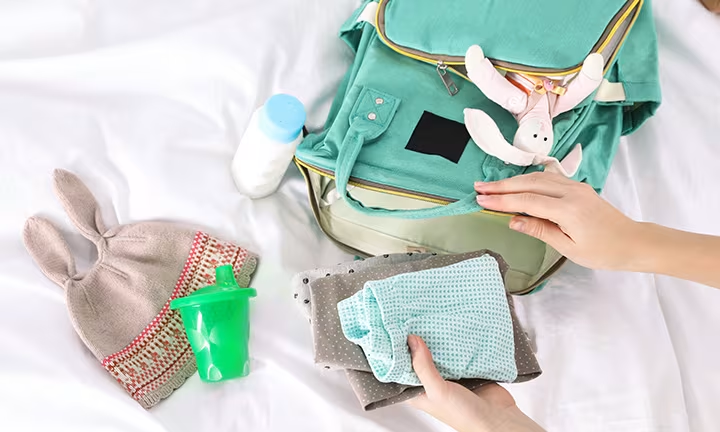
Diaper Bag Essentials and Checklist
Here is our must-have checklist for what to pack in your diaper bag. Discover the essentials and nice-to-haves, and learn some helpful diaper bag packing tips.
Read more
When and How to Use Diaper Cream for Your Baby
Are you wondering about the uses of diaper creams? Discover when to use them and follow our detailed step-by-step guide on how to apply them for the best results in protecting your baby’s sensitive skin.
Read more
Materials and Safety: What are Pampers Diapers Made of?
By Amy Wiford
Learn what's in Pampers products and our commitment to safety.
Read moreHow Many Newborn Diapers Do You Need?
While preparing for your baby’s arrival, you might ask yourself the question, “How many newborn diapers do I need?” We’ve got the answer and more!
Read moreUnderstanding Baby Pee: Wet Diapers, Frequency, Colour, and Smell
Learn about your baby’s pee, including normal urination frequency, what different urine colors mean, why smell may change, and when to seek advice.
Read moreMeconium: Your Baby’s First Poop
Meconium is your baby’s first poop. Find out what’s in meconium, how to deal with it, and when to contact your provider.
Read moreSwim Diapers: Fun and Mess-Free Water Play
Learn how swim diapers like Pampers Splashers keep your baby comfortable and protected in the water with leak-proof designs for worry-free fun.
Read moreDiaper Rash Home Remedies and Cures
Discover effective home remedies for diaper rash, tips on what to avoid, and when to seek medical advice.Keep your baby comfortable and rash-free.
Read moreHow to Dispose of Diapers in the Best Way
Disposing of diapers requires more care than simply tossing them in the trash. Discover our expert tips and methods for disposing of diapers responsibly.
Read moreDiaper Rash Bleeding
Learn how to manage diaper rash bleeding, learn how to keep your baby comfortable, and when to contact a healthcare provider. Discover essential care tips here.
Read moreDiaper Bag Essentials and Checklist
Here is our must-have checklist for what to pack in your diaper bag. Discover the essentials and nice-to-haves, and learn some helpful diaper bag packing tips.
Read moreJoin Pampers Club and get:
- PAMPERS COUPONS
- TOOLS & QUIZZES
- PARENTING TIPS
 PAMPERS COUPONS
 TOOLS & QUIZZES
 PARENTING TIPS