What’s the Best Room Temperature for a Sleeping Baby?



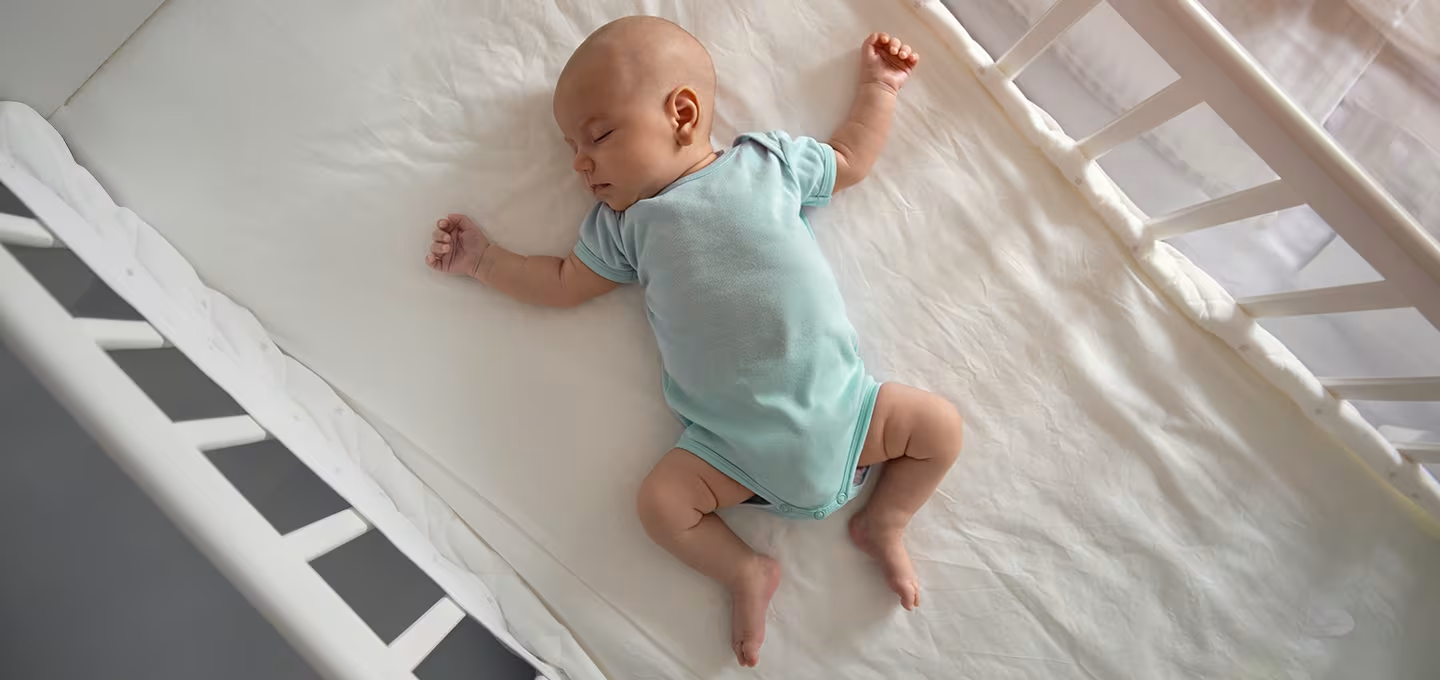
Making sure your baby sleeps at the right temperature isn’t just about comfort—it’s about safety and better sleep for everyone. Experts suggest keeping the nursery’s temperature just right—not too warm, not too chilly—around 68–72°F (20–22°C). This simple habit can help prevent overheating (a risk factor for SIDS) and help your baby’s body regulate heat for deeper, more restful sleep.
Key Takeaways:
Need a cheat sheet?
Temperature (°F) | Clothing Suggestion |
|---|---|
68–72 | Light sleep sack or full-length footed sleeper |
Below 68 | Add a layer, such as a long-sleeve onesie |
Above 72 | Go even lighter—just a onesie or diaper |
Getting the right room temperature is a key step towards a safer, cozier sleep space for your little one. Keep reading for tips on regulating temperature, choosing sleepwear, and spotting when your baby may be too hot or cold.
Ideal Sleeping Temperature for Your Baby’s Room
Did you know the temperature in your baby’s room can make a big difference in how well they sleep? But what’s the “just right” temperature? Rule of thumb: aim for the temperature you’d be comfy in with a light layer. Keeping the nursery at this optimal temperature gives your baby the cozy, safe sleep they need.
Experts, such as the American Academy of Pediatrics (AAP), say you should set your baby’s room between 68 and 72°F (about 20 and 22°C) for the safest, soundest sleep. Think about what would feel comfortable to a lightly dressed adult in the space—that’s your north star.
Remember, temperature is only part of good sleep! The Smart Sleep Coach app by Pampers, developed with sleep specialists, can help your family catch those precious ZZZs.
Why Setting the Ideal Temperature Is Important for Your Baby
If the nursery is too warm or a little too cold, your baby might not sleep as long or as well. Keeping things in the recommended range not only boosts their rest, but also supports growing bodies and brains.
Here’s how room temperature can make an impact:
How to Keep the Right Room Temperature for Your Baby
Not sure how to keep the nursery cozy, safe, and just-right? Try these tips:
Use a thermometer
near your baby’s sleep spot (but not in direct sun or near a draft) to track the room’s temperature.
Set the thermostat
between 68–72°F (20–22°C). Tweak for the season with AC or heating—just don’t go overboard.
No cribs near hot or cold spots,
like heaters, radiators, sunny windows, or cold vents.
Keep air moving
with a ceiling fan or safe ventilation for even comfort—never blowing directly on your baby, though.
Dress for the season
(see tips below) rather than piling on heavy bedding or blankets.
Common questions from parents…
Do babies sleep better in warm or cool rooms?
A slightly cooler room within the 68–72°F sweet spot usually leads to more restful, safer sleep.
Should I keep the heat on in the baby’s room overnight in winter?
It’s okay to use heat as long as you keep things steady in the recommended range. Always monitor with a thermometer and steer clear of direct heat or over-bundling.
Signs Your Baby Is Too Hot While Sleeping
Wondering if your baby is too warm at night or in their swaddle? Look for these clues:
The AAP advises always checking for signs like sweating or an overheated chest—these often mean it’s time to cool down the room or lighten up the layers. If your baby is hot, feverish, or overheated even when the room feels right to you, reach out to your healthcare provider for advice.
Signs Your Baby Is Too Cold at Night
Here’s how to tell if your baby’s a bit chilly while sleeping:
If you see these signs, add an extra layer on your baby, choose warmer sleepwear, or gently raise the room temperature—but don’t make it too hot.
How to Dress Your Baby for Sleep
Trying to figure out what to dress your little one in for bedtime? You’re not alone—especially with unpredictable Canadian weather. If you’re asking “What should newborns sleep in?”, the answer always comes back to safe, season-appropriate layers that help your baby stay comfy and protected, all year round.
Should a Newborn Wear a Hat to Sleep?
Generally, don’t put hats on your baby at home for sleep. The AAP recommends keeping your baby’s head free and clear during sleep—babies release excess body heat through their heads, and hats could increase the risk of overheating. Hats are only needed in hospital settings or outside when it’s very cold (and only for warmth), but not in the nursery.
How Many Layers Should a Newborn Sleep in?
And don’t forget, using a dependable nighttime diaper helps keep your baby dry and cozy. Pampers Zzz Diapers offer extra absorbency for up to 12 hours, so your baby stays comfortable and you both get more sleep. Goodnight, leaks!
Baby Sleep Temperature Chart
Picking the right sleep sack or pyjamas may depend on the “TOG” rating—the higher the TOG, the warmer the fabric. Here’s a guide to help you decide which sleepwear is best for the season and your baby’s room temperature:
Room Temperature | Approx TOG / Sleepwear Suggestions | Layers & Notes |
|---|---|---|
Above ~ 75 °F (24 °C+) | Ultra-lightweight (~0. 2–0.5 TOG) | Short-sleeve onesie or just a diaper; ensure good airflow, don’t place in direct sun |
72–75 °F (22–24 °C) | Light sleep sack or pyjamas (~0.5 TOG) | Onesie + thin sleep sack |
68–72 °F (20–22 °C) | Moderate sleepwear (~1.0 TOG) | Long-sleeve footed sleeper + sleep sack; go for one more layer than what you wear |
65–68 °F (18–20 °C) | Warmer layers (~2.5 TOG) | Sleeper, heavier sleep sack; keep baby away from drafts |
Below ~65 °F (~18 °C) | Heaviest layers (~3.0 TOG) | Use indoor heating if needed, dress baby in warm clothing, and make sure their core stays warm |
Note: While official guidelines don’t always specify TOG values, using “one extra layer” and avoiding hats or loose covers for sleep is recommended.
More questions from real parents…
Can baby monitors check room temperature too?
Many new monitors do include a temperature sensor, so you can remotely check in on the nursery’s comfort.
Are sleep sacks safer than blankets?
Definitely. Sleep sacks keep your baby at a comfy temperature without the suffocation risks blankets can pose.

6 Steps to Keep Your Baby Comfortable During Sleep
Besides keeping the nursery at a good temperature, try these six practical steps for safe, cozy infant sleep:
It’s the safest position for reducing SIDS risk. Tummy time is crucial, but only while your baby is awake and supervised.
Keep the crib clear aside from a firm mattress and fitted sheet.
Keep the crib clear aside from a firm mattress and fitted sheet.
No blankets, pillows, bumpers, or plush toys, as these can increase the risk of suffocation or choking.
Don’t overdress your baby for sleep.
Don’t overdress your baby for sleep.
Too many layers can lead to overheating.
Room-share for the first 6–12 months.
Room-share for the first 6–12 months.
Use a thermostat or monitor
Use a thermostat or monitor
to check the nursery’s temperature and humidity.
Stick to a soothing bedtime routine.
Stick to a soothing bedtime routine.
Bathtime, gentle massage, stories, lullabies, or quiet snuggles can help your little one wind down. See our guide to a calming bedtime routine.
Want extra tips on safe sleep? Check out this handy safe sleep guide.
FAQs at a Glance
Your baby’s room should feel cool and comfortable, with plenty of air movement. Keeping to the ideal nursery temperature is one of the best ways to help your baby sleep safely. Make sure cribs are away from radiators and windows.
The Bottom Line
Helping your baby sleep well is one of the kindest gifts you can give—both to them, and to yourself! Keep your baby’s room at the ideal temperature, and you’re on the right track for safe, peaceful sleep.
More rest for your little one can mean more sleep for you, too—setting up the perfect sleep environment is a win-win for everyone. Discover additional tips and expert advice on caring for your newborn to guide you through these precious first months.
Don’t forget to download the Pampers Club app and earn Pampers Cash whenever you buy our diapers or wipes.
How We Wrote This Article The information in this article is based on expert advice found in trusted medical and government sources, such as the American Academy of Pediatrics and the American College of Obstetricians and Gynecologists. You can find a full list of sources used for this article below. The content on this page should not replace professional medical advice. Always consult medical professionals for full diagnosis and treatment.
- AAP Publications: Evidence Base for 2022 Updated Recommendations for a Safe Infant Sleeping Environment to Reduce the Risk of Sleep-Related Infant Deaths
- CDC: Providing Care for Babies to Sleep Safely
- Children’s Hospital of Philadelphia: Warmth and Temperature Regulation
- Healthy Children: How to Keep Your Sleeping Baby Safe: AAP Policy Explained
- National Library of Medicine: Creating a Safe Sleep Environment for Your Baby
- NIH Pub: What Does a Safe Sleep Environment Look Like?
- Sleep Foundation: What Is the Best Room Temperature for a Sleeping Baby?
Baby and Toddler Nap Schedules
By Mandy Treeby
Find out how to create a nap schedule for your baby or toddler, including how long a nap should be and how many naps your child needs.
Read more
What is Normal When it Comes to Baby Sleep Patterns
By Mandy Treeby
Curious if your baby’s sleep patterns are normal? Read on for what to expect for baby sleep broken down by age.
Read more
How to Stop Your Baby from Waking Up Too Early
By Mandy Treeby
Discover why your baby may be waking early and simple changes to get them to sleep later in the morning.
Read more
All About the Ferber Method for Sleep Training
Explore the Ferber method, a technique that encourages babies to independently fall asleep, and see if it aligns with your family's needs.
Read more
How to Put a Baby to Sleep: 9 Tips and Tricks
By Mandy Treeby
Need help getting your baby to sleep? Learn how to soothe your baby and put them to sleep, and how to establish a sleep schedule.
Read more
Creating a Good Bedtime Routine
By Mandy Treeby
Getting a toddler to calm down can be tricky. Find out how to establish an effective bedtime routine with these quick tips.
Read more
Early Rising: What to Do When Your Child Wakes Up Too Early
By Mandy Treeby
Here are nine great tips and strategies for dealing with a child who wakes up too early. Read on to find out all the ways you can try to prevent early waking.
Read more
Tips for Getting Your Baby to Sleep in a Crib
By Mandy Treeby
Learn all about getting your baby to sleep in their crib, including when to transition them to a crib, how long to use it, and crib safety.
Read more
Using White Noise for Babies
By Mandy Treeby
Discover the soothing power of white noise for your baby. Learn about its potential benefits and drawbacks and whether it's safe or harmful for your little one.
Read more
Baby Sleep Cycles and Patterns Explained
By Mandy Treeby
Sleep cycles vary according to newborn, infant and toddler stages. Know your little one's sleep patterns and how many hours on average he or she should sleep.
Read moreBaby and Toddler Nap Schedules
By Mandy Treeby
Find out how to create a nap schedule for your baby or toddler, including how long a nap should be and how many naps your child needs.
Read moreWhat is Normal When it Comes to Baby Sleep Patterns
By Mandy Treeby
Curious if your baby’s sleep patterns are normal? Read on for what to expect for baby sleep broken down by age.
Read moreHow to Stop Your Baby from Waking Up Too Early
By Mandy Treeby
Discover why your baby may be waking early and simple changes to get them to sleep later in the morning.
Read moreAll About the Ferber Method for Sleep Training
Explore the Ferber method, a technique that encourages babies to independently fall asleep, and see if it aligns with your family's needs.
Read moreHow to Put a Baby to Sleep: 9 Tips and Tricks
By Mandy Treeby
Need help getting your baby to sleep? Learn how to soothe your baby and put them to sleep, and how to establish a sleep schedule.
Read moreCreating a Good Bedtime Routine
By Mandy Treeby
Getting a toddler to calm down can be tricky. Find out how to establish an effective bedtime routine with these quick tips.
Read moreEarly Rising: What to Do When Your Child Wakes Up Too Early
By Mandy Treeby
Here are nine great tips and strategies for dealing with a child who wakes up too early. Read on to find out all the ways you can try to prevent early waking.
Read moreTips for Getting Your Baby to Sleep in a Crib
By Mandy Treeby
Learn all about getting your baby to sleep in their crib, including when to transition them to a crib, how long to use it, and crib safety.
Read more