
Baby and Toddler Nap Schedules



Understanding Baby and Toddler Naptime
All kiddos need sleep, and that's especially true for babies and toddlers as they grow and develop. For young children to get enough sleep, naps and daytime snoozes are super important. Following a baby nap schedule by age can help make sure your little one gets the rest they need.
Read on to learn more about baby naps, including how many may be needed each day based on your child's age, how long a nap might be, and what you can do to ensure your little one gets the most out of naps.
Why Naps Are Important for Your Child’s Development

Naps offer several benefits for babies and toddlers. Studies have shown that young children who nap regularly tend to have longer attention spans and sleep better at night than those who don't take naps.
Benefits of Naps:
Developing a Nap Schedule
Creating a nap schedule for your baby or toddler can help improve their nighttime sleep. A baby nap schedule by age ensures that naps are age-appropriate and fit their developmental needs. Track your little one’s sleep times and pay attention to signs of sleepiness like fussiness and rubbing of the eyes. This will help you establish a nap schedule that works for your child.
If your baby is fighting naps, or if you need guidance, take this FREE sleep assessment from the Smart Sleep Coach app by Pampers. It can help you solve your baby's sleep challenges for better sleep.
The Best Times for Naps
Every child is unique, and tracking your child’s sleep will help you pinpoint the best naptimes. For many children, the best times for naps are mid- to late-morning and early afternoon. A nap typically lasts between 30 minutes and 2 hours. Avoid letting your child nap after 3 or 4 p.m. to ensure they are tired at bedtime. Allow for at least four hours between the last nap and bedtime.
Number of Naps Per Day by Baby Age
Over time, your child will need fewer naps. This chart gives you an idea of the number of naps by age:
| Age | Naps per Day |
|---|---|
| 0 to 3 months | 3 to 4 |
| 4 to 7 months | 2 to 3 |
| 8 to 12 months | 2 |
| 12 months to 18 months | 1 to 2 |
| 18 months to 3 years | 1 |
Typically, between 8 and 12 months, babies transition to two naps per day. Keep in mind that every child is unique, so some variations are normal.
Does Your Toddler Need One or Two Naps?
After your child turns 1, you may not be sure whether they need one or two naps per day. The number of naps may depend on their daily activities. If they slept poorly the night before, consider making it a two-nap day. If they slept well, one nap may suffice. As your toddler gets older, the need for a second nap will decrease.
When Do Kids Stop Napping?
After about 3 years of age, your toddler may start to give up naps entirely and switch to only sleeping at night. However, some children may stop napping as early as 2 years old, while others may need naps up to 5 years old.
Tips for Creating a Naptime Routine
A naptime routine is similar to a bedtime routine but shorter. Consistency and predictability help your child nap more easily. Start setting a naptime routine with your infant as early as 6 to 8 weeks old. Keep activities calm and soothing before putting your child down for a nap.
Components of a Naptime Routine:
Consistency is key. Ensure that all caregivers follow the established routine.
Creating an Ideal Environment for Naps
Tips for Creating a Sleep-Friendly Environment:
FAQS AT A GLANCE
Your baby should nap in their crib. If they fall asleep elsewhere, move them to their crib as soon as possible.
Conclusion
Naps are important for your baby and toddler. They contribute to your child’s health and development and can improve concentration and mood. Following a consistent baby nap schedule by age ensures your child gets the rest they need. Creating a soothing and safe environment for naps will help your child get the most out of them and provide you with valuable time to complete tasks.
How We Wrote This Article The information in this article is based on expert advice from trusted sources like the American Academy of Pediatrics and the American College of Obstetricians and Gynecologists. Always consult medical professionals for diagnosis and treatment.

What is Normal When it Comes to Baby Sleep Patterns
By Mandy Treeby
Curious if your baby’s sleep patterns are normal? Read on for what to expect for baby sleep broken down by age.
Read more
How to Stop Your Baby from Waking Up Too Early
By Mandy Treeby
Discover why your baby may be waking early and simple changes to get them to sleep later in the morning.
Read more
All About the Ferber Method for Sleep Training
Explore the Ferber method, a technique that encourages babies to independently fall asleep, and see if it aligns with your family's needs.
Read more
All About the Cry-It-Out Method for Sleep Training
The cry-it-out method is a baby sleep-training technique that may work for some parents and babies. Learn how this method works so you can make an informed decision for your family.
Read more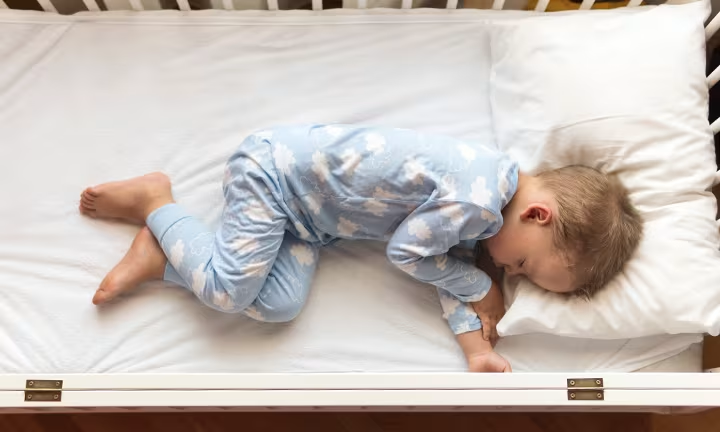
How to Put a Baby to Sleep: 9 Tips and Tricks
By Mandy Treeby
Need help getting your baby to sleep? Learn how to soothe your baby and put them to sleep, and how to establish a sleep schedule.
Read more
Creating a Good Bedtime Routine
By Mandy Treeby
Getting a toddler to calm down can be tricky. Find out how to establish an effective bedtime routine with these quick tips.
Read more
Early Rising: What to Do When Your Child Wakes Up Too Early
By Mandy Treeby
Here are nine great tips and strategies for dealing with a child who wakes up too early. Read on to find out all the ways you can try to prevent early waking.
Read more
Tips for Getting Your Baby to Sleep in a Crib
By Mandy Treeby
Learn all about getting your baby to sleep in their crib, including when to transition them to a crib, how long to use it, and crib safety.
Read more
Using White Noise for Babies
By Mandy Treeby
Discover the soothing power of white noise for your baby. Learn about its potential benefits and drawbacks and whether it's safe or harmful for your little one.
Read more
Baby Sleep Cycles and Patterns Explained
By Mandy Treeby
Sleep cycles vary according to newborn, infant and toddler stages. Know your little one's sleep patterns and how many hours on average he or she should sleep.
Read moreWhat is Normal When it Comes to Baby Sleep Patterns
By Mandy Treeby
Curious if your baby’s sleep patterns are normal? Read on for what to expect for baby sleep broken down by age.
Read moreHow to Stop Your Baby from Waking Up Too Early
By Mandy Treeby
Discover why your baby may be waking early and simple changes to get them to sleep later in the morning.
Read moreAll About the Ferber Method for Sleep Training
Explore the Ferber method, a technique that encourages babies to independently fall asleep, and see if it aligns with your family's needs.
Read moreAll About the Cry-It-Out Method for Sleep Training
The cry-it-out method is a baby sleep-training technique that may work for some parents and babies. Learn how this method works so you can make an informed decision for your family.
Read moreHow to Put a Baby to Sleep: 9 Tips and Tricks
By Mandy Treeby
Need help getting your baby to sleep? Learn how to soothe your baby and put them to sleep, and how to establish a sleep schedule.
Read moreCreating a Good Bedtime Routine
By Mandy Treeby
Getting a toddler to calm down can be tricky. Find out how to establish an effective bedtime routine with these quick tips.
Read moreEarly Rising: What to Do When Your Child Wakes Up Too Early
By Mandy Treeby
Here are nine great tips and strategies for dealing with a child who wakes up too early. Read on to find out all the ways you can try to prevent early waking.
Read moreTips for Getting Your Baby to Sleep in a Crib
By Mandy Treeby
Learn all about getting your baby to sleep in their crib, including when to transition them to a crib, how long to use it, and crib safety.
Read more