
How to Increase Breast Milk Supply


If you’ve just started out breastfeeding, you may be concerned that your baby is not getting enough nourishment. You may also be wondering if there is anything you can do to ensure a consistent supply of breast milk for your hungry little one. Read on to find out what signs indicate your baby is or isn’t getting enough breast milk, what can cause low breast milk supply, and how to increase your breast milk supply naturally at home.
Signs Your Baby Is Getting Enough Breast Milk
Instead of trying to gauge the quantity of your breast milk production, it’s more important to keep an eye on the signs that your baby is getting enough milk. But if you’re ever in doubt, talk to your healthcare provider or lactation consultant, who can help guide you in this process. These are some of the signs your baby is probably getting enough breast milk:
Causes of Low Breast Milk Supply
If your newborn isn’t getting the nutrition he needs, it’s more likely to be because he is not latching onto your breast correctly as opposed to you not producing enough milk. Read up on breastfeeding basics for some extra tips. Nevertheless, there are some factors that can result in your breast milk supply decreasing, including:
How to Increase Your Breast Milk Production
Most mothers produce one-third more breast milk than their babies will drink, so there’s a little leeway. Still, if your breast milk supply isn’t where you’d like it to be, here are nine ideas you can try to increase your breast milk supply:
Are There Any Foods You Can Eat to Increase Your Breast Milk Supply?
There is no specific food you can eat that can actually increase your breast milk supply. However, a healthy diet can help you maintain a good supply of breast milk. Here are some tips for eating healthily while breastfeeding:
When to Seek Help From Your Healthcare Provider
Even with all the steps mentioned above, you still might run into issues trying to breastfeed your little one. Sometimes, breastfeeding just takes a little time and practice. Reach out to your healthcare provider or a lactation consultant for advice if you’re ever unsure whether you’re producing enough milk for your baby, or for help with any aspect of breastfeeding.
FAQS AT A GLANCE
Eating a healthy diet can help increase your breast milk supply. Be sure to include lots of fruits, vegetables, and whole grains in your meals, as well as foods rich in calcium and protein.
Even if you suspect your breast milk supply is on the low side, and you’re worried about how you’re going to feed your little one, there are steps you can take to increase your breast milk production. Try them out and speak to your healthcare provider. Together, you can make sure your baby is getting the nourishment she needs. When you’re breastfeeding your little one, one thing’s for sure: Your baby will be going through plenty of diapers. Download the Pampers Club app today to start earning points for all the diapers.

- Mayo Clinic: Breast-feeding and pumping: 7 tips for success
- Mayo Clinic: Breast-feeding tips: What new moms need to know
- Mayo Clinic: What causes a low milk supply during breast-feeding?
- OWH: Common breastfeeding challenges
- Kids Health: Breastfeeding FAQs: Supply and Demand
- OwH: your guide to BREASTFEEDING
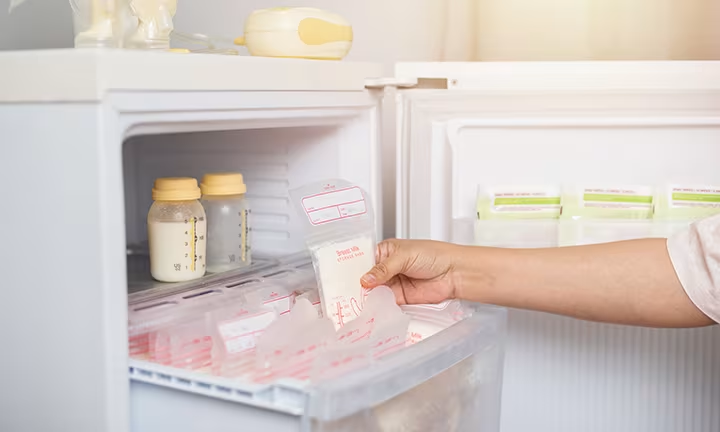
How to Store Breast Milk: All About Proper Storage
Wondering how to properly store pumped breast milk to give to your baby later? Learn how to store, defrost, and reheat breast milk.
Read more
Learn How to Burp Your Baby
Learning how to burp your baby can help prevent gas and tummy aches. Learn about the best positions for burping your baby and get tips on how to make burping easier.
Read more
Mastitis While Breastfeeding
Mastitis is an inflammation in the breast that sometimes affects breastfeeding women. Learn about the signs of mastitis, symptoms and treatment.
Read moreHow to Store Breast Milk: All About Proper Storage
Wondering how to properly store pumped breast milk to give to your baby later? Learn how to store, defrost, and reheat breast milk.
Read moreLearn How to Burp Your Baby
Learning how to burp your baby can help prevent gas and tummy aches. Learn about the best positions for burping your baby and get tips on how to make burping easier.
Read moreMastitis While Breastfeeding
Mastitis is an inflammation in the breast that sometimes affects breastfeeding women. Learn about the signs of mastitis, symptoms and treatment.
Read moreHow to Store Breast Milk: All About Proper Storage
Wondering how to properly store pumped breast milk to give to your baby later? Learn how to store, defrost, and reheat breast milk.
Read moreLearn How to Burp Your Baby
Learning how to burp your baby can help prevent gas and tummy aches. Learn about the best positions for burping your baby and get tips on how to make burping easier.
Read moreMastitis While Breastfeeding
Mastitis is an inflammation in the breast that sometimes affects breastfeeding women. Learn about the signs of mastitis, symptoms and treatment.
Read moreJoin Pampers Club and get:
- PAMPERS COUPONS
- TOOLS & QUIZZES
- PARENTING TIPS
 PAMPERS COUPONS
 TOOLS & QUIZZES
 PARENTING TIPS