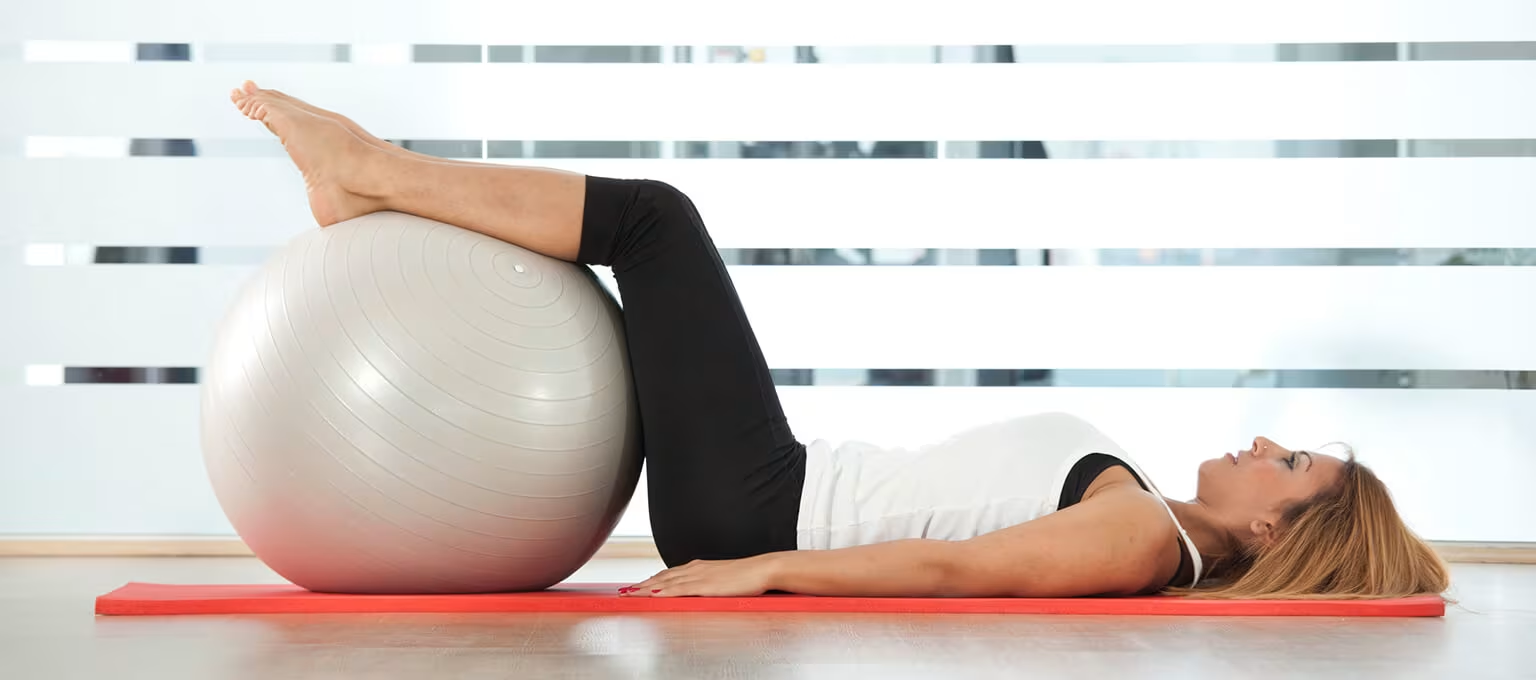
Kegel Exercises FAQs


You've heard Kegels mentioned from time to time, but just what are these exercises, and what do they do? These invisible exercises strengthen the pelvic floor muscles that help support your bladder, uterus, and rectum, and they are great to do both during and after pregnancy. Read on to learn about the benefits of Kegel exercises and how you can add them to your daily routine. And, for even more tips and info on prenatal exercise, nutrition, healthcare, and more, download our Pregnancy Guide.
What Is Kegel Exercise?
Kegel exercise is a form of pelvic floor exercise that involves squeezing and relaxing muscles in the pelvic and genital areas. These muscles are support the pelvic organs, including the bladder, uterus, small intestine, and rectum. Regular Kegel exercise during pregnancy and after you’ve given birth can help improve and maintain your bladder and bowel control by increasing the strength, endurance, and correct function of these important muscles. Kegels can be beneficial throughout life, and you might want to begin doing them during pregnancy or after your baby is born, when pelvic floor muscles often need to be strengthened.
The good news is that you don’t need to join a gym to train these muscles. Kegels can be done discreetly as a part of your daily routine.
Pregnancy Weight Gain Calculator
Fill out your details:
Benefits of Kegel Exercises for Women
The benefits of doing Kegel exercises - especially during pregnancy and after giving birth - include:
Strengthening the pelvic floor muscles during pregnancy also helps you develop the ability to relax and control these muscles in preparation for labour and birth. In the postpartum period, Kegels can help heal perineal tissues, which are stretched during vaginal birth.
How to Do Kegel Exercises
Kegel exercises are easy to do. It’s all about squeezing and relaxing the same muscles you would use to stop a stream of urine. Here’s how to do Kegels:

As with all types of exercise, you will need to stick with Kegels and do them correctly to see the best results. Typically, women report noticing better bladder and bowel control after about 6 to 12 weeks. For continued results, make Kegels a permanent part of your daily routine.
When to Do Kegels and How Often
If you are pregnant or have just had a baby, it’s best to ask your provider before starting. During pregnancy, you may want to start in the second trimester when many moms-to-be experience a much-needed energy boost. After your baby is born, you may be able to start doing Kegels within a few days of an uncomplicated vaginal birth - just make sure you feel ready. If you had complications during vaginal birth or had a c-section, wait until your healthcare provider gives you the all clear. Learn more about post-pregnancy Kegels that may help your recovery.
There is no set rule on how often to do Kegels. Some experts recommend doing Kegels at least twice a week, while others recommend doing them daily. There are many options in terms of how many Kegels to do and how often. For example, your healthcare provider may suggest doing 10 sets of Kegels three times per day; doing 50 squeezes throughout the day; or practising twice a day before increasing to three times a day. It won’t take long before you’ll be able to do them while you’re relaxing on the couch, waiting in line at the store, or even lying in bed. You can also contract your pelvic floor muscles before and during any situation where you might leak urine, such as when you sneeze or laugh.
Tips for Doing Kegel Exercise
To get the most out of doing your Kegels, keep these tips in mind:
FAQs at a Glance
How soon will I see results from doing Kegels? If you do these exercises regularly, you may find you have less frequent leakage in just a few weeks, although for some women, it can take a little longer. Even if it takes you longer to see results, it's worth sticking with it, because the benefits will be helpful in the long run. Working hard now to tighten those pelvic muscles will help you reduce any urinary incontinence after delivery and help you get back to normal sooner.
How long do I need to keep doing Kegel exercises? Some women continue with Kegel exercises long after pregnancy and childbirth. Urinary incontinence can strike at any time from pregnancy to menopause, so it can be helpful to know how to do these exercises and to keep up with them throughout your life.
What can cause weakened pelvic floor muscles? A variety of factors can weaken these muscles, not only pregnancy and childbirth. Being overweight, frequent coughing or sneezing, and even some exercises that involve jumping, running, or other vigorous movements can put stress on the pelvic muscles.
Kegels are your little secret - no one will ever know when you're working hard on your pelvic floor muscles. But, it can also be great for your overall physical and mental health to do other forms of pregnancy exercise, like prenatal yoga. Anything you do to keep moving and stay fit will help you prepare for motherhood!

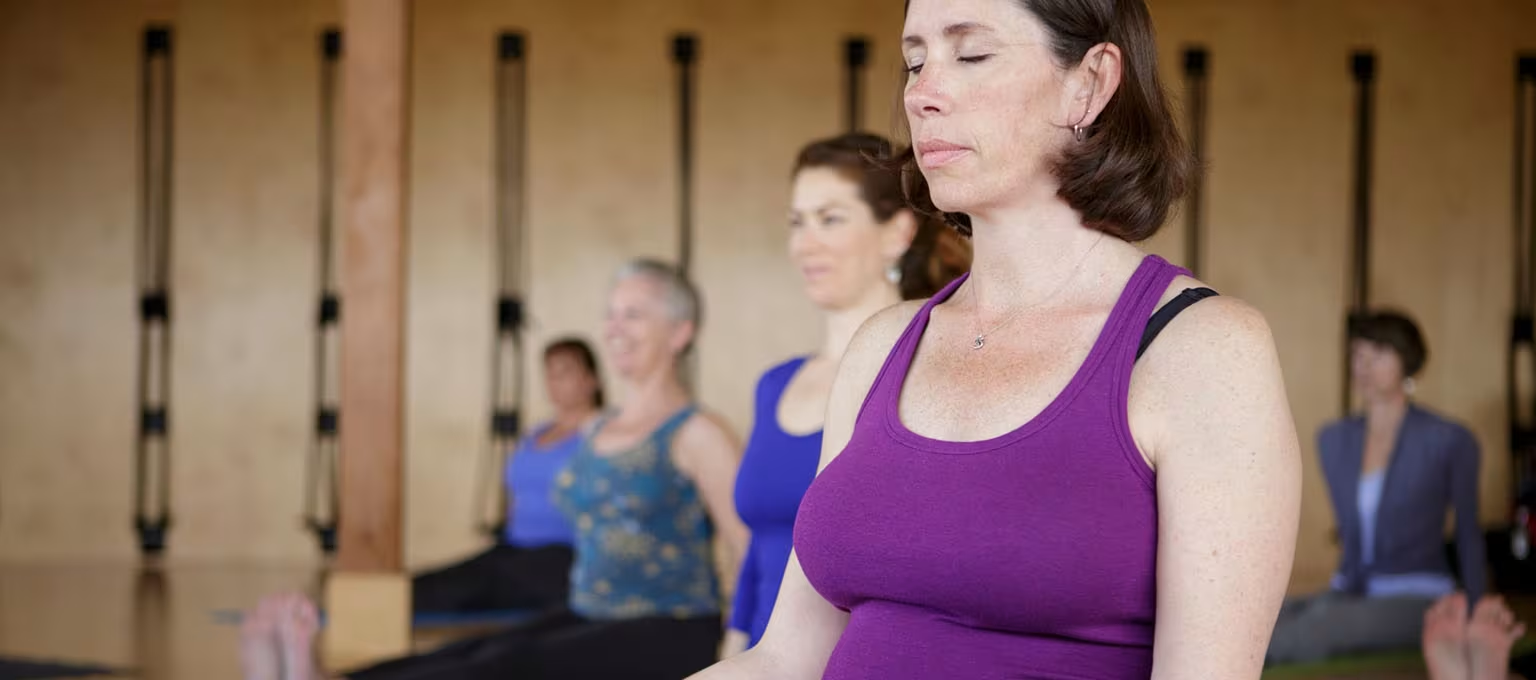
The Lowdown on Prenatal Yoga
Prenatal yoga might sound obvious to some and completely obscure to others. Read about this important exercise to decide if you want to give it a try.
Read more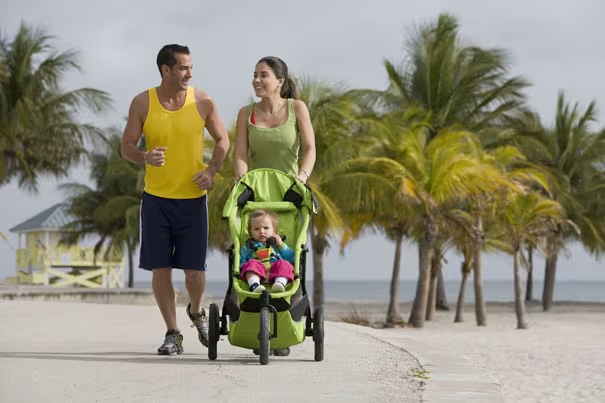
Exercises with your baby
Stay fit while bonding with your baby! Discover gentle postpartum exercises that help you boost energy, and create special moments with your little one.
Read more
Coping With Being A Mom: The Physical Challenge
As moms, we know it takes energy and strength. Let's learn proper movements to avoid aches & pains in daily life. Stay strong & pain-free!
Read more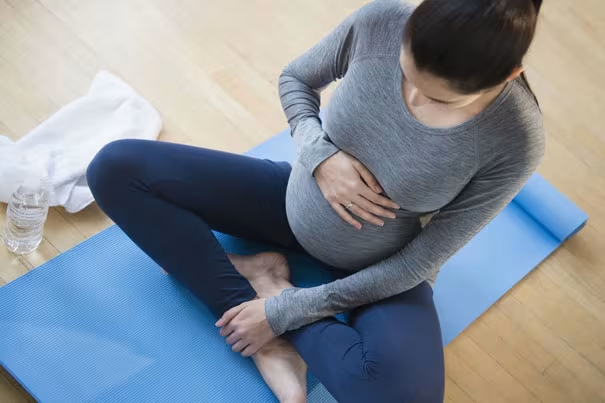
Exercise during pregnancy: Get Moving
Exercise offers some amazing benefits during pregnancy. Here you will discover the safest way to exercise and some inspiration on what exercises to do.
Read moreThe Lowdown on Prenatal Yoga
Prenatal yoga might sound obvious to some and completely obscure to others. Read about this important exercise to decide if you want to give it a try.
Read moreExercises with your baby
Stay fit while bonding with your baby! Discover gentle postpartum exercises that help you boost energy, and create special moments with your little one.
Read moreCoping With Being A Mom: The Physical Challenge
As moms, we know it takes energy and strength. Let's learn proper movements to avoid aches & pains in daily life. Stay strong & pain-free!
Read moreExercise during pregnancy: Get Moving
Exercise offers some amazing benefits during pregnancy. Here you will discover the safest way to exercise and some inspiration on what exercises to do.
Read moreThe Lowdown on Prenatal Yoga
Prenatal yoga might sound obvious to some and completely obscure to others. Read about this important exercise to decide if you want to give it a try.
Read moreExercises with your baby
Stay fit while bonding with your baby! Discover gentle postpartum exercises that help you boost energy, and create special moments with your little one.
Read moreCoping With Being A Mom: The Physical Challenge
As moms, we know it takes energy and strength. Let's learn proper movements to avoid aches & pains in daily life. Stay strong & pain-free!
Read moreExercise during pregnancy: Get Moving
Exercise offers some amazing benefits during pregnancy. Here you will discover the safest way to exercise and some inspiration on what exercises to do.
Read moreJoin Pampers Club and get:
- PAMPERS COUPONS
- TOOLS & QUIZZES
- PARENTING TIPS
 PAMPERS COUPONS
 TOOLS & QUIZZES
 PARENTING TIPS