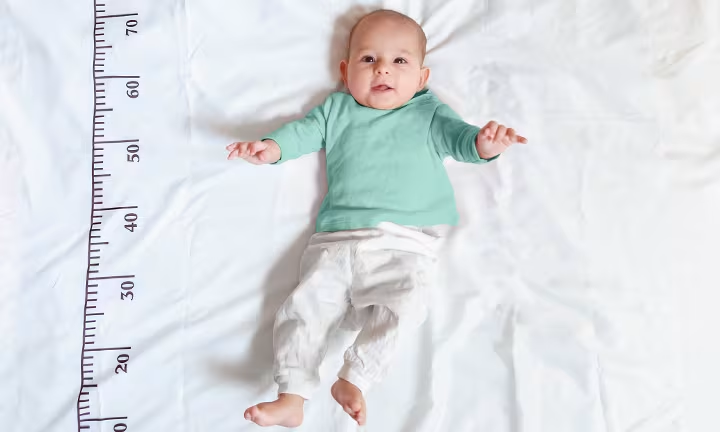
Baby Growth Spurts: When Do They Typically Occur?


Wondering when babies have growth spurts and what signs to look for? Newborn and baby growth spurts are short periods of rapid growth that happen multiple times in the first year, often around 2 weeks, 6 weeks, and 3 months. During these growth spurts, your baby may feed more, sleep differently, and be fussier than usual.
In this guide, you’ll learn:
Understanding growth spurts for babies can help you navigate these sudden changes with confidence. Read on to learn what’s normal and how to handle these big milestones!
What Are Growth Spurts?
A growth spurt is a period of rapid development during which your baby grows significantly in a short amount of time. It may seem like your infant or toddler has suddenly grown overnight.
The most noticeable signs during these periods are changes in length (height) and weight. In the first year, babies typically gain about 10 inches (25 centimetres) in height and triple their birth weight. Additionally, your baby’s head grows quickly, especially during the first four months, which indicates important brain development.
Although babies generally grow at a steady pace, they often experience phases known as newborn growth spurts and toddler growth spurts that can feel intense and sudden.

When Do Babies Have Growth Spurts?
Most babies lose around one-tenth of their birth weight in the first five days after birth usually regaining it within the following week. After this initial phase, you may notice your newborn growing rapidly, with a growth spurt often occurring between 3 to 6 weeks. However, growth spurts for babies may vary widely, as each child’s development is unique. If you have any questions or concerns about your baby’s growth, consult your baby’s healthcare provider.
For toddlers, growth spurts are less frequent. Around 12 months of age, growth generally slows, and by 24 months, children begin growing at a more steady rate that continues until the major pre-puberty growth spurt ages. Girls often experience this spurt between the ages of 8 and 13, while boys commonly have it between 10 and 15.
You may want to track your baby’s growth spurts in our Baby Growth Chart Calculator to see how quickly your little one is growing.

Baby Growth Chart Calculator
Keep an eye on your baby’s height, weight, and head circumference to average growth with our simple tool.
This is a mandatory field.
This is a mandatory field.
This is a mandatory field.
This is a mandatory field.
*Input details of your baby’s last measurements **Source: World Health Organization
What Are the Signs of a Growth Spurt?
You may be wondering if there are any signs of a growth spurt in newborns and older babies to look out for. Here are a few things you may observe just before your little one shoots up a size:
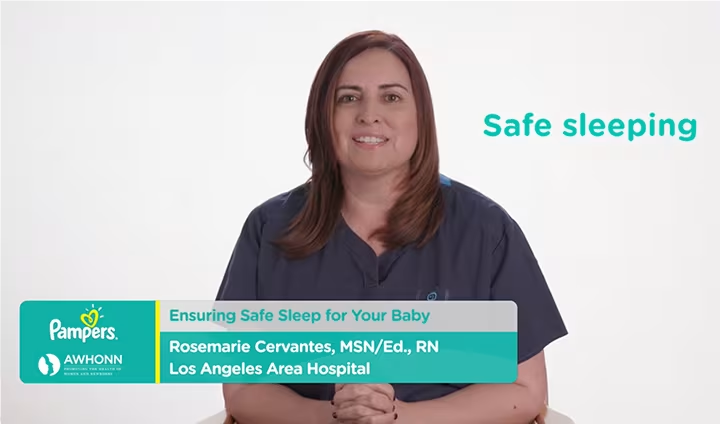
How to Support Your Baby's Growth Spurt
If you recognize some of the signs above and think your little one might be entering a growth spurt, here are a few ways to support them during this period:
If you notice your baby’s growth has slowed or stopped for a while, this could simply be a pause before a future spurt—each baby grows at their own pace.
How Long do Growth Spurts in Babies Last?
Growth spurts in babies are generally brief, often lasting up to three days. During this time, you might notice increased hunger, changes in sleep, and occasional fussiness as your baby grows quickly. While each growth spurt is unique, these short, intense periods are usually followed by steadier growth. Remember that these bursts are a normal part of development and can vary in timing and length for each child.
What Happens After a Baby Growth Spurt?
After a growth spurt, babies typically return to steadier patterns in feeding, sleep, and behaviour. As mentioned before, for toddlers, growth spurts become less frequent. Around age 1, growth naturally slows, and by age 2, children begin growing at a steadier rate.
FAQS AT A GLANCE
In the initial two weeks of your newborn’s life, you might notice growth spurts and similar changes can occur around 3 to 6 weeks. After their first birthday, growth will slow down, with significant spurts typically not happening until they near adolescence.
The Bottom Line
All parents look forward to watching their baby grow, but don’t be surprised if it feels like your little one has grown overnight during a growth spurt! You might notice signs beforehand, like increased hunger or a bit more fussiness, or your baby may suddenly seem to go up a size without any clear warning.
Growth spurts are a normal part of the first few months, so there’s no need for concern. If your baby seems hungrier or crankier, you may soon wake up to a bigger, thriving baby. To support you during each growth milestone, check out the Pampers Club app for access to discounts and digital offers as you shop for essentials.
The information in this article is based on the expert advice found in trusted medical and government sources, such as the American Academy of Pediatrics and the American College of Obstetricians and Gynecologists. You can find a full list of sources used for this article below. The content on this page should not replace professional medical advice. Always consult medical professionals for full diagnosis and treatment.
- Kids Health: Child’s growth
- Kids Health: Your Baby's Growth: 2 Months
- NCBI: Infant Growth in Length Follows Prolonged Sleep and Increased Naps
- Medline Plus. "Fussy or Irritable Child."
- Merriam Webster. "Growth Spurt."
- Cleveland Clinic. "Growth Spurts."
- Happy Family Organics. "Diarrhea and Constipation in Breastfed Children."
- Healthy Children. "Calming a Fussy Baby."
Object Permanence in Babies
What is object permanence? It's a development milestone when your baby understands something exists even though it's unseen. Learn how to spot and encourage it!
Read more
What Are Gross Motor Skills?
Gross motor skills are a huge milestone in your little one’s development. Read on to learn more about what they are and when to expect them.
Read more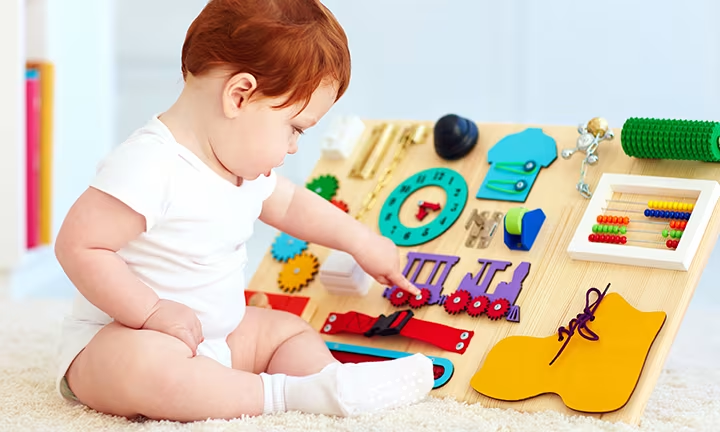
What Are Fine Motor Skills?
What are fine motor skills? Learn how toddlers develop fine motor skills and get better at performing intricate tasks with their hands.
Read more
Understanding and Managing Separation Anxiety in Babies
Learn to recognize and address separation anxiety in babies, including symptoms, causes, and soothing techniques.
Read more
When Do Babies Start Crawling?
Many babies start crawling between 7 and 10 months. Find out if your child is showing early signs of crawling and learn more about this developmental milestone.
Read more
When Do Babies Sit Up?
Find out at what age your baby might sit up on their own, signs they’re about to reach this milestone, and how to help your baby learn to sit up.
Read more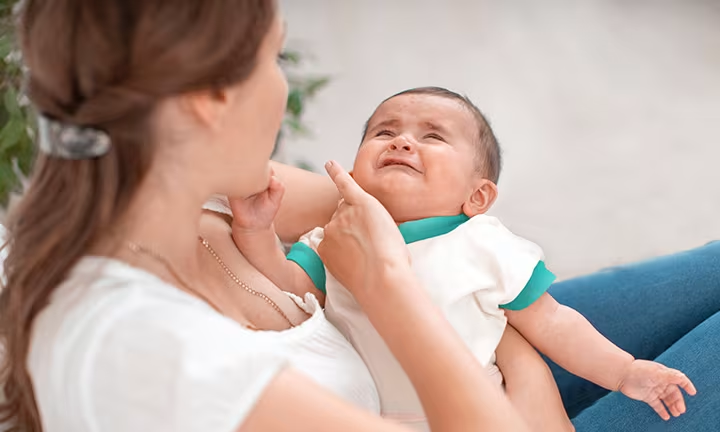
Moro Reflex Explained
What is the Moro reflex? Read more about this involuntary startle reflex to learn why it occurs in newborns in their first few months and how long it lasts.
Read moreObject Permanence in Babies
What is object permanence? It's a development milestone when your baby understands something exists even though it's unseen. Learn how to spot and encourage it!
Read moreWhat Are Gross Motor Skills?
Gross motor skills are a huge milestone in your little one’s development. Read on to learn more about what they are and when to expect them.
Read moreWhat Are Fine Motor Skills?
What are fine motor skills? Learn how toddlers develop fine motor skills and get better at performing intricate tasks with their hands.
Read moreUnderstanding and Managing Separation Anxiety in Babies
Learn to recognize and address separation anxiety in babies, including symptoms, causes, and soothing techniques.
Read moreWhen Do Babies Start Crawling?
Many babies start crawling between 7 and 10 months. Find out if your child is showing early signs of crawling and learn more about this developmental milestone.
Read moreWhen Do Babies Sit Up?
Find out at what age your baby might sit up on their own, signs they’re about to reach this milestone, and how to help your baby learn to sit up.
Read moreMoro Reflex Explained
What is the Moro reflex? Read more about this involuntary startle reflex to learn why it occurs in newborns in their first few months and how long it lasts.
Read moreObject Permanence in Babies
What is object permanence? It's a development milestone when your baby understands something exists even though it's unseen. Learn how to spot and encourage it!
Read moreJoin Pampers Club and get:
- PAMPERS COUPONS
- TOOLS & QUIZZES
- PARENTING TIPS
 PAMPERS COUPONS
 TOOLS & QUIZZES
 PARENTING TIPS