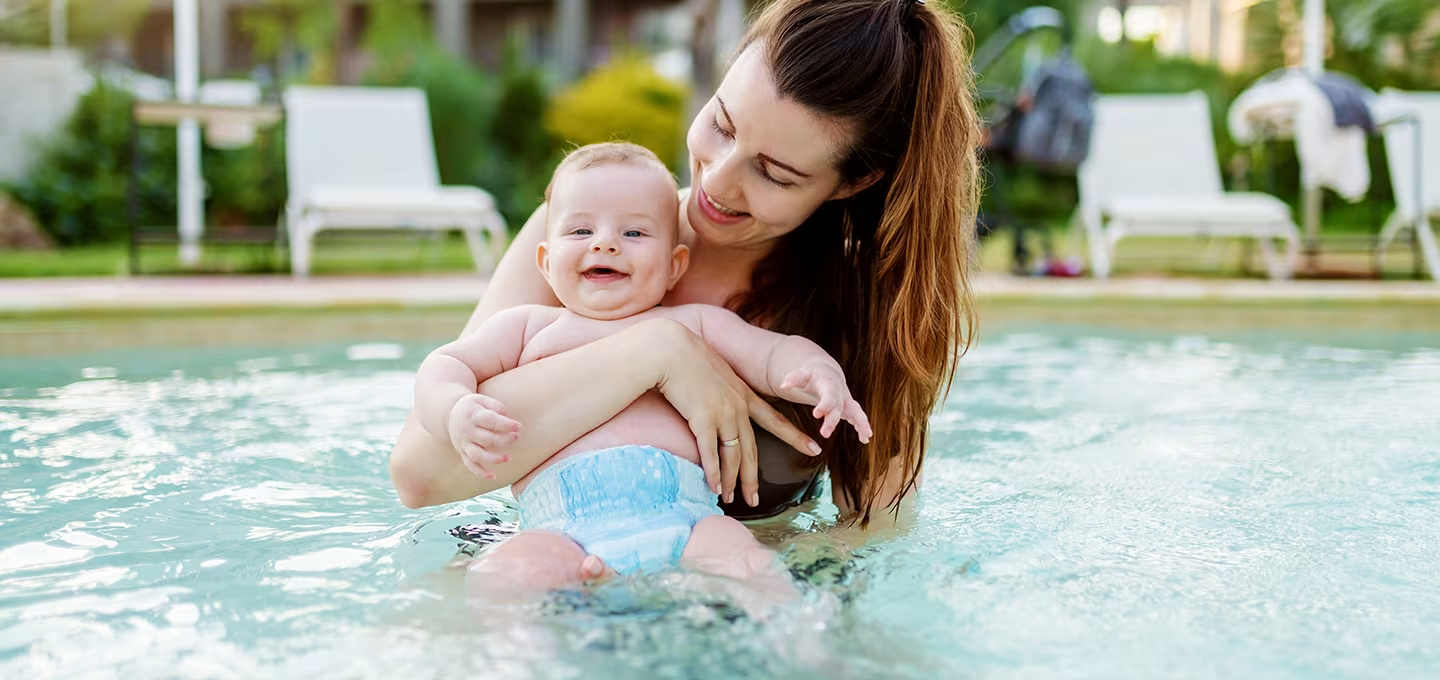
Swim Diapers: Fun and Mess-Free Water Play


Key Takeaways
No matter if your little one’s off to swim lessons, having a blast at the beach, or splashing around in the backyard, the right swim diapers make watery adventures comfy, easy, and fun. So, what’s the deal—how exactly do swim diapers work, why don’t they soak up pee, and are they really that different from regular diapers?
We’re breaking it all down with help from Pampers diaper know-how: what swim diapers actually do, how to use them, and how to pick the right type for your little one. Keep reading—all your swim diaper questions are about to get answered for stress-free water play.
How Do Swim Diapers Work?
Swim diapers are different from your everyday diapers. They’re built just for water—so they won’t absorb like regular diapers, making sure your baby stays comfy instead of weighed down or saggy while they splash.
These diapers for swimming let water pass through but trap any solid waste, keeping the pool cleaner and making water play safer for everyone around.
What does a swim diaper actually do?
Swim diapers are made to hold in poop so you can get your baby out of the water fast and change them. That’s why most public pools and swim lessons require that children who aren’t potty-trained wear a waterproof diaper.
Do Swim Diapers Hold Pee? Everything You Need to Know
Wondering if swim diapers keep in pee? The simple answer is nope. Swim diapers aren’t designed to soak up liquids—including your baby’s pee. If they did, they’d swell up with pool water and get super heavy. They can hold small amounts of pee, but their main purpose is to contain solid waste.
Use a regular diaper when you’re not in the water. Then, just swap to a swim diaper right before it’s swim time for mess-free movement.
Do Swim Diapers Hold Poop?
Yes—swim diapers are all about holding in poop and keeping it out of the pool. The CDC says using swim diapers the right way can lower the chance of water contamination, so don’t forget to check and change often.
If your little one is in a swim diaper, just keep an eye out while they’re playing in the water. If they poop, time to get out and swap the diaper for a fresh one.
Parents also ask… How do I know if my baby needs a swim diaper at the pool? Pretty much any public pool will ask for a swim diaper if your kid isn’t fully potty-trained yet. It keeps accidents out of the water so everyone can splash safely. Can swim diapers be worn under a swimsuit? For sure! You can use a swim diaper by itself or toss a swimsuit on over it—some parents feel more secure that way, and it’s cute too. |
Swim Diapers vs Regular Diapers: What’s the Difference?
The differences are big: Regular diapers are all about soaking up liquid, so they swell up significantly in the water.
Swimming diapers, on the other hand, let water pass and don’t get puffy. That means your child can move easily and stay comfy. Since they’re required in most public pools for hygiene, you’ll want them on hand for every water outing.
Reusable Swim Diapers vs Disposable Swim Diapers
Here’s how each kind stacks up:
Reusable Swim Diapers:
Disposable Swim Diapers (like Pampers Splashers):
At the end of the day, it’s all about what fits your lifestyle. Many parents love disposables for travel and busy days.
How Do You Use a Swim Diaper?
Figuring out swim diapers is easy once you know the drill—especially helpful for first-time parents or for those looking for infant swim diapers and newborn swim diapers.
How to wear swim diapers:
Why Swim Diapers Are Essential for Pool Time
Swim diapers just make water play better—for you, your child, and everyone else in the pool. They’re made for all the messes and motions of splashy fun. Most pools require swim diapers, so they really are a must-bring for keeping things clean and calm—especially with active babies or toddlers.
Why swim diapers matter:
Choosing the Best Swim Diapers for Your Baby
When you’re shopping for swim diapers, here’s what usually matters most—whether you’re searching in-store or browsing online:
Size and age
Size and age
Choose infant or toddler swim diapers by the weight recommendations on the pack to make sure they fit well and keep leaks out.
Fit
Fit
You want that hug around the waist and legs, but not so tight your baby can’t move freely. Look for baby swim diapers with soft, stretchy sides.
Convenience
Convenience
Pampers Splashers are awesome for quick changes thanks to easy-tear sides—perfect when everyone’s a bit sandy and wet, and ideal if you need Pampers swim diapers for on-the-go or travel days.
You can also try the growth chart to snag just the right size, or peek at our Diaper Size and Weight Chart if you want a cheat sheet.
Why Pampers Splashers Are the Top Choice for Water Fun
Looking for a parent-loved, reliable swim diaper that packs in nothing but convenience, comfort, and peace of mind? Pampers Splashers definitely check all the boxes.
Pampers swim diapers are made for every spot—lakes, beaches, the backyard, the splash pad. They keep things light and let your little one move like a fish, never getting bulky or waterlogged.
Key Features of Pampers Splashers
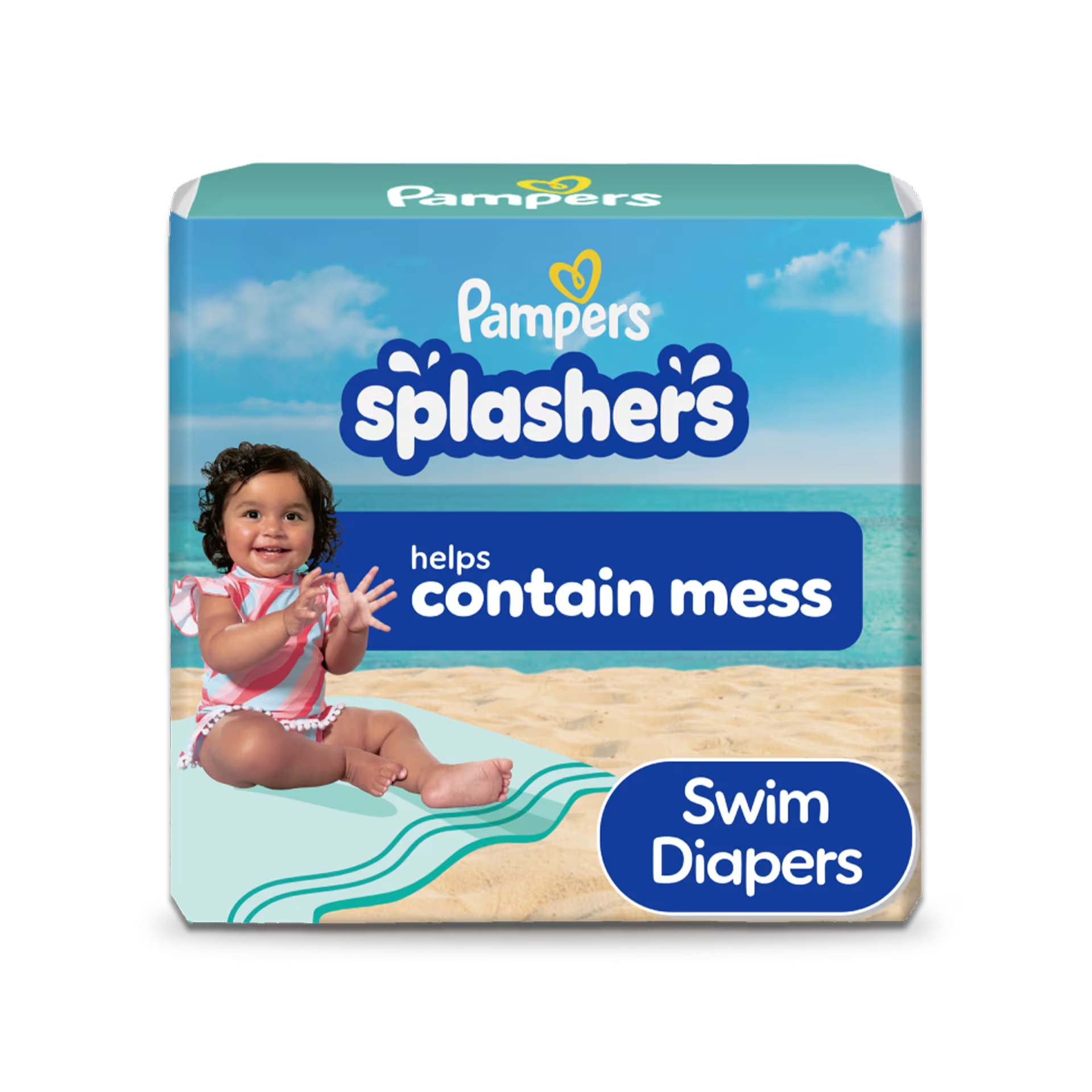
Whether you're planning a pool day or a beach trip, Pampers swim diapers help keep your little one comfortable and protected so they can enjoy every splash.
FAQS AT A GLANCE
No, disposable swim diapers are not washable—use once, then toss. They aren’t made to last through a wash, especially after they get wet from all that splashing. Just dispose of it after pool time and grab a fresh one next time your little one has water play.
The Bottom Line
Knowing how swim diapers work takes the stress out of pool days! With Pampers Splashers, your baby gets to kick, play, and explore the water without leaks, discomfort, or big, puffy diapers weighing them down—just what you need for worry-free fun with your little one.
If you want more tips for picking the best gear, check out our take on Pampers Swaddlers diapers, and don’t forget you can rack up rewards in the Pampers Club app—it’s a simple way to save on the things your little one needs for every adventure.
The information in this article is based on the expert advice found in trusted medical and government sources, such as the American Academy of Pediatrics and the American College of Obstetricians and Gynecologists. You can find a full list of sources used for this article below. The content on this page should not replace professional medical advice. Always consult medical professionals for full diagnosis and treatment.
Baby Poop—The Ultimate Guide
Black, green, yellow, brown, red, or gray—baby poop can come in many different colours. Find out what your baby’s poop can tell you about their health.
Read more
How Many Newborn Diapers Do You Need?
While preparing for your baby’s arrival, you might ask yourself the question, “How many newborn diapers do I need?” We’ve got the answer and more!
Read more
Understanding Baby Pee: Wet Diapers, Frequency, Colour, and Smell
Learn about your baby’s pee, including normal urination frequency, what different urine colors mean, why smell may change, and when to seek advice.
Read more
Meconium: Your Baby’s First Poop
Meconium is your baby’s first poop. Find out what’s in meconium, how to deal with it, and when to contact your provider.
Read more
Diaper Rash Home Remedies and Cures
Discover effective home remedies for diaper rash, tips on what to avoid, and when to seek medical advice.Keep your baby comfortable and rash-free.
Read more
How to Dispose of Diapers in the Best Way
Disposing of diapers requires more care than simply tossing them in the trash. Discover our expert tips and methods for disposing of diapers responsibly.
Read more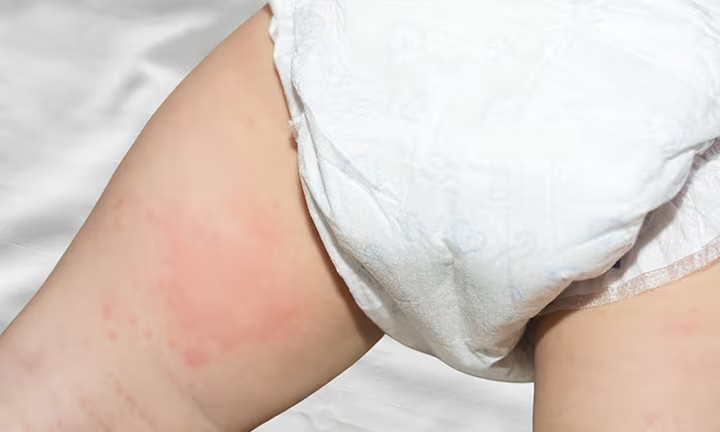
Diaper Rash Bleeding
Learn how to manage diaper rash bleeding, learn how to keep your baby comfortable, and when to contact a healthcare provider. Discover essential care tips here.
Read more
Diaper Bag Essentials and Checklist
Here is our must-have checklist for what to pack in your diaper bag. Discover the essentials and nice-to-haves, and learn some helpful diaper bag packing tips.
Read more
When and How to Use Diaper Cream for Your Baby
Are you wondering about the uses of diaper creams? Discover when to use them and follow our detailed step-by-step guide on how to apply them for the best results in protecting your baby’s sensitive skin.
Read more
Materials and Safety: What are Pampers Diapers Made of?
By Amy Wiford
Learn what's in Pampers products and our commitment to safety.
Read moreBaby Poop—The Ultimate Guide
Black, green, yellow, brown, red, or gray—baby poop can come in many different colours. Find out what your baby’s poop can tell you about their health.
Read moreHow Many Newborn Diapers Do You Need?
While preparing for your baby’s arrival, you might ask yourself the question, “How many newborn diapers do I need?” We’ve got the answer and more!
Read moreUnderstanding Baby Pee: Wet Diapers, Frequency, Colour, and Smell
Learn about your baby’s pee, including normal urination frequency, what different urine colors mean, why smell may change, and when to seek advice.
Read moreMeconium: Your Baby’s First Poop
Meconium is your baby’s first poop. Find out what’s in meconium, how to deal with it, and when to contact your provider.
Read moreDiaper Rash Home Remedies and Cures
Discover effective home remedies for diaper rash, tips on what to avoid, and when to seek medical advice.Keep your baby comfortable and rash-free.
Read moreHow to Dispose of Diapers in the Best Way
Disposing of diapers requires more care than simply tossing them in the trash. Discover our expert tips and methods for disposing of diapers responsibly.
Read moreDiaper Rash Bleeding
Learn how to manage diaper rash bleeding, learn how to keep your baby comfortable, and when to contact a healthcare provider. Discover essential care tips here.
Read moreDiaper Bag Essentials and Checklist
Here is our must-have checklist for what to pack in your diaper bag. Discover the essentials and nice-to-haves, and learn some helpful diaper bag packing tips.
Read moreJoin Pampers Club and get:
- PAMPERS COUPONS
- TOOLS & QUIZZES
- PARENTING TIPS
 PAMPERS COUPONS
 TOOLS & QUIZZES
 PARENTING TIPS