All About Fifth Disease (Slapped Cheek)


&image=https%3A%2F%2Fimages.ctfassets.net%2F2ql69mthp94m%2F52rOT3wVHDdKOTeR5h3Lzx%2F5c0bb1509a89ebe4cb4e552b35592bce%2FFifth-disease_720x432.jpg)
)
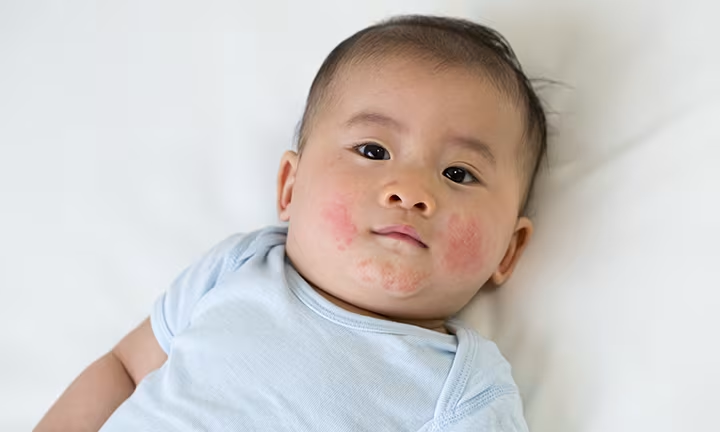
A child's rosy cheeks are usually adorable. Sometimes, though, rosy cheeks are the result of a rash and are a sign of illness. Fifth disease is a viral illness that shows up on your child’s face as a rash that can be mistaken for rosy cheeks. Although it’s not typically serious, it’s worth knowing about in case your child gets infected.
Read on to find out more about fifth disease, including the signs and symptoms to watch for, how it can be prevented, and when to pay a visit to your child’s healthcare provider.
What Is Fifth Disease (Erythema Infectiosum)?
Fifth disease, officially known as erythema infectiosum, is a viral illness caused by parvovirus B19 that is spread from person to person. The illness is most common in children aged 5 to 15. It’s considered a mild disease because most children feel fine even when the rash is present.
Why Is It Called Fifth Disease?
Erythema infectiosum got the name fifth disease because it was fifth in line in a historical list of common childhood illnesses that involved a rash. The other four are:
Luckily, once your child has had fifth disease, he will be immune to it in the future.
How Does Fifth Disease (Parvovirus B19) Spread?
As with many other viral illnesses, fifth disease is spread through the respiratory secretions (saliva, sputum, and mucus) of infected individuals when they sneeze or cough. Those with fifth disease are most contagious during this phase, when the infection resembles that of the common cold. Fifth disease can also be spread through blood, which is why it’s important for pregnant women to stay away from infected individuals, as fifth disease can be passed onto the unborn baby during pregnancy.
Symptoms of Fifth Disease
The main symptom of fifth disease is a rash that typically starts on your child’s cheeks. This is why the disease is sometimes referred to as the “slapped cheek” rash. Within a few days, the rash, which can be itchy, may spread to your child’s arms, trunk, thighs, bottom, and feet. Adults usually don’t get the rash. The rash is slightly raised, starts out blotchy, and then appears with a lace- or net-like pattern. After 5 to 10 days, the rash usually fades. However, it can sometimes reappear weeks or months later, often showing up when a child is spending time in the sun or is exposed to extreme temperatures. Fifth disease or slapped cheek causes cold-like symptoms that precede the rash, such as
How Long Does Fifth Disease Last From Infection to Rash?
Once someone is infected, it can take 4 to 10 days for the first, cold-like symptoms of fifth disease to appear. Following these symptoms comes the characteristic rash, which may last between 7 and 10 days. The rash may come and go for several weeks beyond that initial period.
Is Fifth Disease (Slapped Cheek) Contagious?
Fifth disease is contagious during the time before the rash sets in, when your child may experience the cold-like symptoms. Your child is no longer contagious when the rash appears. Ideally, however, even during the period when your little one has the rash, and especially if has a fever, you should keep him away from others so as not to spread the virus. If your child has fifth disease, it’s especially important to keep him away from pregnant women, as it can cause serious problems in the unborn baby if the mother gets infected with the virus during pregnancy.
How Is Fifth Disease Diagnosed?
If you believe your child might have fifth disease, it’s a good idea to call her healthcare provider. The rash may resemble a rash from another more serious disease so it’s safest to have your child’s provider check on your little one and make a diagnosis. If the provider suspects something other than fifth disease, a blood test may be done to find out what’s causing the rash.
Fifth Disease Treatment
There is no specific treatment for fifth disease, though experts may recommend ways to relieve the symptoms. Fifth disease usually goes away on its own, and in most cases your child will feel better after lots of rest and drinking plenty of fluids. If your child has a mild fever or has aches and pains, your child’s healthcare provider may recommend giving acetaminophen to help relieve these symptoms. If you have any questions about treatment, be sure to ask the provider.
Fifth Disease (Parvovirus B19) Prevention
There is no vaccine that protects against parvovirus B19, but there are some things you, your family, and your children can do to lessen the chance of anyone in your household getting the infection:
When Should You Contact Your Child’s Healthcare Provider?
If your child’s condition worsens—for example, his fever spikes—or his symptoms don’t improve, contact his healthcare provider right away. In children who have a weakened immune system, fifth disease can be more severe. If this applies to your child, it’s best to see his healthcare provider at the first sign of fifth disease.
Fifth disease can leave your little one feeling under the weather. Giving him lots of comfort and TLC will help him feel better within a few days or weeks. The good news is that fifth disease or slapped cheek will eventually pass and things can get back to normal.
The information in this article is based on the expert advice found in trusted medical and government sources, such as the American Academy of Pediatrics and the American College of Obstetricians and Gynecologists. You can find a full list of sources used for this article below. The content on this page should not replace professional medical advice. Always consult medical professionals for full diagnosis and treatment.

- Kids Health: Fifth Disease
- CDC: Fifth Disease
- Mayo Clinic: Parvovirus infection
- Mayo Clinic: Parvovirus infection
- Book: Caring for your baby and young child birth to age 5, Sixth Edition Paperback – November 2, 2014 by American Academy of Pediatrics (Author)
Read more about Baby




Join Pampers Club and get:
- PAMPERS COUPONS
- TOOLS & QUIZZES
- PARENTING TIPS
 PAMPERS COUPONS
 TOOLS & QUIZZES
 PARENTING TIPS