
Preeclampsia: Symptoms, Causes, and How It Affects Your Pregnancy


Preeclampsia is a potentially serious health condition that can develop during pregnancy, particularly if you have certain risk factors. Understanding what preeclampsia is, along with the possible causes, signs or symptoms of preeclampsia, and available treatment options, may help you work with your healthcare provider to manage or reduce the risks. Learning more about preeclampsia in pregnancy is a helpful first step in feeling prepared and informed.
What Is Preeclampsia?
The definition of preeclampsia is a blood pressure disorder that usually occurs after week 20 of pregnancy in the second or third trimester, formally known as toxemia of pregnancy. A similar condition called postpartum preeclampsia can occur after childbirth.
The high blood pressure of preeclampsia can come on quickly or there can be a slow but steady increase in your blood pressure. The severity can also vary from mild to severe:
Your healthcare provider will routinely check for signs of preeclampsia at prenatal visits and provide preeclampsia treatment if needed. With proper care, most people experiencing preeclampsia in pregnancy go on to have healthy babies.
Eclampsia: It’s easy to confuse preeclampsia with eclampsia. Eclampsia is a more severe and serious condition and involves seizures that are linked to high blood pressure. It usually requires the immediate delivery of the baby, regardless of how far along the pregnancy is.
Postpartum preeclampsia: Postpartum preeclampsia occurs after the delivery of your baby, and you may get it even if you show no signs of preeclampsia while pregnant. Postpartum preeclampsia symptoms may appear as early as 48 hours after delivery, or up to 6 weeks later. These symptoms are usually the same as for preeclampsia; however, giving birth is the cure for preeclampsia, and the treatment for postpartum preeclampsia is usually medication to lower your blood pressure and to prevent seizures.
How Common Is Preeclampsia?
In Canada, preeclampsia affects approximately 2.6 percent of pregnancies. This means that about 1 in 38 pregnancies may experience some form of preeclampsia in pregnancy.

When does Preeclampsia Start?
As we mentioned above, preeclampsia usually starts during the second half of a pregnancy, generally after 20 weeks. If this condition occurs before 34 weeks of pregnancy, it’s known as early-onset preeclampsia. It can also occur after delivery.
What Causes Preeclampsia?
Although it’s not always clear what causes preeclampsia during pregnancy, several preeclampsia risk factors are known. These factors may increase the likelihood of developing preeclampsia in pregnancy:
If you have any of these risk factors, your healthcare provider will discuss this with you and determine whether you’re at moderate or high risk of preeclampsia.
Signs and Symptoms of Preeclampsia
The main or early signs of preeclampsia while pregnant are high blood pressure, a high amount of protein in the urine (proteinuria), and other signs of damage to the organs. Preeclampsia is often detected by your healthcare provider during routine prenatal visits.
Some other symptoms or manifestations of preeclampsia during pregnancy include:
Some of these symptoms of high blood pressure in pregnancy (like swelling, nausea, and headaches) can also be normal symptoms of pregnancy, so it can be difficult to tell when this is a regular headache or a headache from preeclampsia, for example. However, a preeclampsia headache is severe and persistent, similar to migraine, and doesn’t go away with pain medication. Go straight to your healthcare provider or visit the emergency room if you notice any warning signs of preeclampsia such as severe headaches, severely blurred vision, severe pain in the abdomen, or severe shortness of breath.
Check out more pregnancy warning signs to keep an eye on in our informative article.

Preeclampsia Treatment Options
Delivering the baby is the only cure for preeclampsia. However, preterm birth may be dangerous for the baby, in which case your healthcare provider will consider the best treatment options for you, depending on whether you have mild or severe preeclampsia, and how far along your pregnancy is.
Potential Preeclampsia Complications
Preeclampsia complications might include:
Short-term: HELLP syndrome (a rare, but life-threatening liver disorder), eclampsia (a more severe form of preeclampsia involving seizures), and placental abruption (when the placenta detaches from the uterus wall, causing heavy bleeding).
Long-term: Greater risk of cardiovascular disease, kidney disease, heart attack, stroke, brain injury, and high blood pressure later in life. A higher chance of preeclampsia in the next pregnancy.
Although preeclampsia is a serious condition that can be fatal if untreated, your healthcare provider will be able to guide you through your treatment options.
How Does Preeclampsia Affect the Baby?
Preeclampsia might also affect the baby, specifically a low birth weight. Inducing labour before the pregnancy is full-term is one solution for severe preeclampsia, but the potential health risks for the baby depend on how premature the birth is.
Some pregnant people wonder if preeclampsia might make a vaginal birth more complicated, but actually, a vaginal birth may be safer than a cesarean section in some cases. Your provider will be able to advise you on the options for your specific situation.
How to Prevent Preeclampsia
Avoiding preeclampsia is not always possible, but if you have one of the known risk factors, you can take some precautions:
Some healthcare providers may recommend taking a low dosage of aspirin throughout the pregnancy if you are at a high risk.
The Bottom Line
Preeclampsia is a rare and treatable condition that your healthcare provider will be able to monitor and manage. Keep in mind that most people with preeclampsia have healthy babies, and it's just one of the many risks you need to know about and keep an eye out for during your pregnancy.
While you’re here, why not download our Pampers Rewards App for rewards on your future diaper purchases!
How We Wrote This Article The information in this article is based on expert advice found in trusted medical and government sources, such as the American Academy of Pediatrics and the American College of Obstetricians and Gynecologists. You can find a full list of sources used for this article below. The content on this page should not replace professional medical advice. Always consult medical professionals for full diagnosis and treatment.

- American College of Obstetricians and Gynecologists. Your Pregnancy and Childbirth: Month to Month, 7th ed. (Washington, DC: American College of Obstetricians and Gynecologists, 2021).
- Canadian Medical Association Journal. “Prevalence and outcomes of preeclampsia in Canada.”
- Cleveland Clinic. “Preeclampsia.”
- Mayo Clinic. “Preeclampsia.”
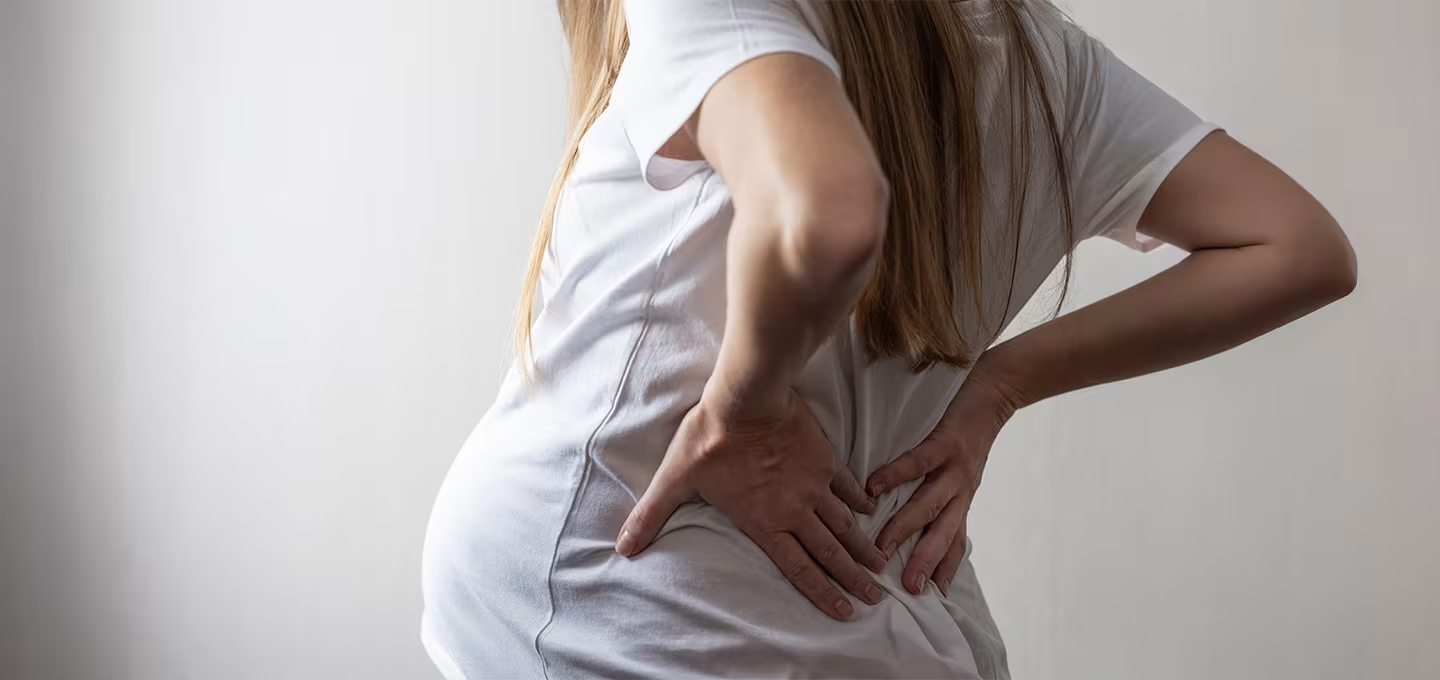
Leaking Amniotic Fluid: Signs, Causes, and What to Do
Wondering if you're leaking amniotic fluid? Learn how to identify it, what causes it, and when to call your provider.
Read more
All About Pregnancy Hormones
Explore key pregnancy hormones, their effects on your body, and effective methods to manage these hormonal changes for a healthier pregnancy journey and days.
Read more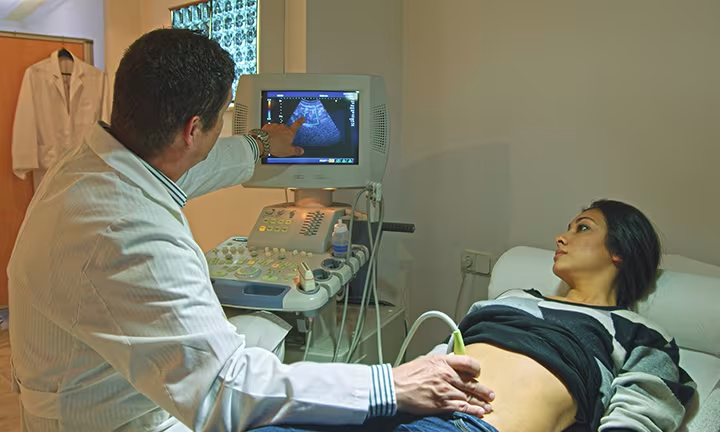
What Is an Ectopic Pregnancy? Signs, Causes, and Medical Care
Learn about ectopic pregnancy, including early signs, symptoms, and treatment options. Understand the risks and what to expect during diagnosis.
Read more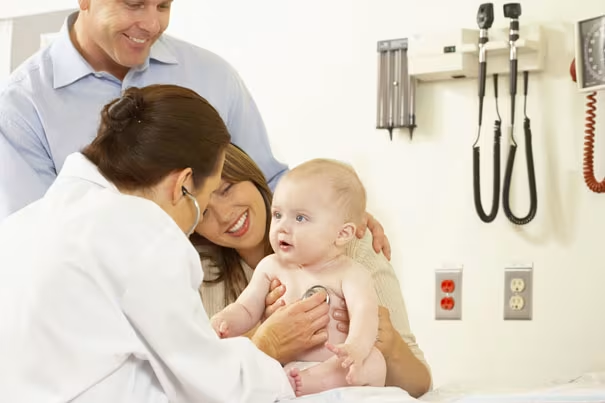
How to Find a Pediatrician: Questions and Interview tips
Helpful guide with interview questions, considerations and tips for choosing the right pediatrician.
Read more
All About Glucose Screening and Tolerance Tests in Pregnancy
Is a glucose test during pregnancy mandatory? What should you do before the test? Find out everything you need to know in order to stay healthy during pregnancy
Read more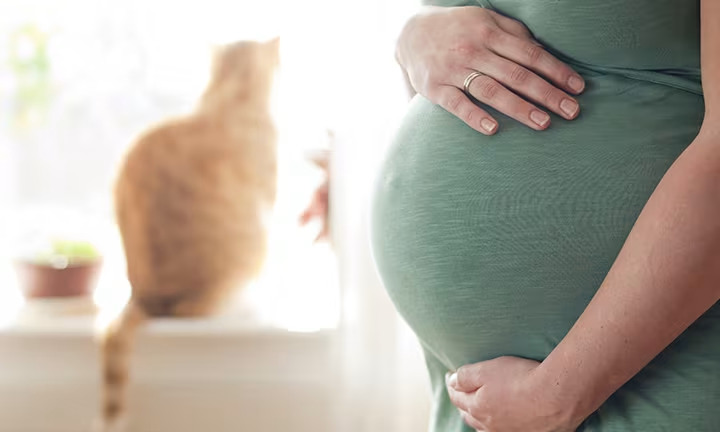
Toxoplasmosis In Pregnancy
Learn about toxoplasmosis and its impact during pregnancy. Discover prevention tips, symptoms, and when to seek medical advice for your baby's health.
Read more
FAQ: Is it OK to Have Sex During Pregnancy? Here’s Everything You Need to Know!
It is a common misconception that sex during pregnancy is something you should avoid. Find out how you can have fun while keeping the baby safe.
Read more
Pregnancy Tests Explained: Timing, Accuracy, and Types
Learn how pregnancy tests work, the best time to take one, and how to interpret results. Get tips for accurate testing and confirming early pregnancy signs.
Read more
An Overview of the Pregnancy Trimesters
Curious to understand the pregnancy trimesters better? Not sure how many trimesters in a pregnancy? Visit this page to have a good grasp of all the basics!
Read more
Amniocentesis Prenatal Test
What is an amniocentesis? Learn about the procedure, risks and benefits during pregnancy.
Read moreLeaking Amniotic Fluid: Signs, Causes, and What to Do
Wondering if you're leaking amniotic fluid? Learn how to identify it, what causes it, and when to call your provider.
Read moreAll About Pregnancy Hormones
Explore key pregnancy hormones, their effects on your body, and effective methods to manage these hormonal changes for a healthier pregnancy journey and days.
Read moreWhat Is an Ectopic Pregnancy? Signs, Causes, and Medical Care
Learn about ectopic pregnancy, including early signs, symptoms, and treatment options. Understand the risks and what to expect during diagnosis.
Read moreHow to Find a Pediatrician: Questions and Interview tips
Helpful guide with interview questions, considerations and tips for choosing the right pediatrician.
Read moreAll About Glucose Screening and Tolerance Tests in Pregnancy
Is a glucose test during pregnancy mandatory? What should you do before the test? Find out everything you need to know in order to stay healthy during pregnancy
Read moreToxoplasmosis In Pregnancy
Learn about toxoplasmosis and its impact during pregnancy. Discover prevention tips, symptoms, and when to seek medical advice for your baby's health.
Read moreFAQ: Is it OK to Have Sex During Pregnancy? Here’s Everything You Need to Know!
It is a common misconception that sex during pregnancy is something you should avoid. Find out how you can have fun while keeping the baby safe.
Read morePregnancy Tests Explained: Timing, Accuracy, and Types
Learn how pregnancy tests work, the best time to take one, and how to interpret results. Get tips for accurate testing and confirming early pregnancy signs.
Read moreJoin Pampers Club and get:
- PAMPERS COUPONS
- TOOLS & QUIZZES
- PARENTING TIPS
 PAMPERS COUPONS
 TOOLS & QUIZZES
 PARENTING TIPS