
How to Help Your Gassy Baby


Infant gas is one of those things that every parent will experience! Although it’s completely normal to have a gassy baby, especially during the newborn stage as the digestive system is still maturing, it may help to know what causes gas and how to help your baby with it. Keep reading to learn what all those grunts and grimaces might mean when your little one is experiencing gas and some tips for baby gas relief.
What Causes a Gassy Baby?
Your baby sure is sweet, but they can also be a little gassy, and there’s a reason for that. Starting with the first feeding, babies shift from obtaining nutrients from the placenta to drinking and digesting breast milk or formula. That’s a big adjustment for a small digestive system that’s still developing, and it’s a chief reason why gas naturally occurs in infants. Overall, it takes time for your little one’s gastrointestinal tract to fully develop and build a microbiome (the mix of tiny organisms in the body, including healthy gut bacteria). And when an immature digestive system is challenged by too much air being swallowed, as often happens during a feeding, you’re even more likely to have a gassy baby, which can occur at night, too.

Baby and Infant Gas Symptoms
You might notice that you have a gassy baby when you smell something or hear something, but there are other possible signs and symptoms of baby and infant gas, too, including:
These symptoms can lead to difficulties sleeping. For tips on merging feeding and sleep training, watch the video below!

Why Is My Baby So Gassy?
There’s no reason to be embarrassed by this question—you’re not the only parent asking! Excess infant gas can result from several factors, especially if you notice your baby crying with gas pains.
Gassy Baby Tips
How do I help my newborn with gas? This is another very common question from parents. Seeing your gassy baby at night or during the day dealing with this discomfort is difficult, and you want to help them find relief. The trick is to break up the gas bubbles in the abdomen and digestive tract. There are plenty of effective strategies and home remedies to help your newborn baby with gas problems. The following remedies may help.
1. Burp During and After Feedings
Because gas bubbles tend to form from the air that sneaks in during feeding, burping is your friend. It releases the air that can turn into gas bubbles in the tummy. Although it’s standard practice to burp your baby after feeding them, if they suffer from gas, you can try burping during feeding as well. This can help provide your baby some gas relief, especially at night when feeding before bed.
Tip Your baby might not like interrupting a good meal to burp, so if you’re going to try this remedy, it helps to be consistent and create a routine for burping while feeding. |
2. Encourage Slow Eating
If your baby eats too fast, they tend to swallow more air and develop more gas bubbles. You can encourage slower eating by using a bottle with a slow-flow nipple. If you’re breastfeeding and experiencing an oversupply of breast milk, speak to your healthcare provider for some pumping or breastfeeding tips.
Tip A lactation consultant can be very helpful for those breastfeeding. If you’re interested in speaking to one, ask your healthcare provider to recommend a lactation expert to help you with any questions about breastfeeding, oversupply, breast engorgement, etc. |
3. Use the Right Bottle
Slow-flow nipples are a game-changer, but so are slow-flow, vented, angled, or collapsible baby bottles. Professionals designed these varieties to limit the amount of air your baby swallows while eating—perfect for helping a gassy baby!
Tip Perhaps your baby eats too fast and swallows air, which causes gas bubbles. In that case, try using an angled bottle with a slow-flow nipple or play around with different positions when breastfeeding. |
4. Identify Food Sensitivities
If you have a gassy breastfed baby, they could be sensitive to the foods you’re eating. Some common foods that may cause gas in breastfed babies include caffeine, dairy products, onions, cabbage and spicy foods. You can try to identify these foods and eliminate them from your diet for at least one week to see if it helps your gassy baby.
Tip Can coffee make a baby gassy? Unfortunately for those coffee drinkers, the caffeine in coffee and other beverages can be a factor in baby gas. Try eliminating or reducing your intake to see if it makes a difference, and consult your healthcare provider with any questions. |
5. Change Formula
The best formula for gassy babies depends a lot on individual factors. To start, most experts will recommend formulas with a cow’s-milk base. But as mentioned above, your little one might have a milk allergy or lactose intolerance. In that case, a soy-based formula fortified with iron, or a hypoallergenic formula, might be a better choice. If you’re considering swapping formulas, it’s best to consult your child’s healthcare provider. A gassy baby might not need to change to a different formula, but the provider will be able to address the problem and help you successfully switch if needed.
Tip Always consult your child’s healthcare provider before switching formulas and changing your baby’s diet. Sometimes, the culprit isn’t the formula itself, and another remedy may be the better solution. |
6. Position Your Baby for Gas Relief
There are a few positions that can help provide baby gas relief by supporting the stomach and digestive system.
Tip If your baby is very gassy at night, consider all three positions before putting them down in their crib. Start with the soothing left side position to relieve any pain, then enjoy some tummy time before bed. When you put your baby down on their back to sleep, move their legs around a bit. |
7. Try Baby Gas Drops
Gas medicine for babies doesn’t always work, but it could be worth a try if other remedies don’t provide any relief. Baby gas drops typically use simethicone, which causes an antifoaming effect to relieve bloating and pain caused by gas. It’s generally thought to be safe for babies, but make sure you read the label and instructions, so you know how much to give your baby.
Tip Always consult your child’s healthcare provider before giving your newborn or young baby any medicine, even over-the-counter varieties. |

Gassy Baby or Colic?
Your baby’s primary way of communication is crying, and since gas can result in crying or fussiness, it’s often mistaken for colic. Colic is a little different, though. Colic occurs when healthy babies repeatedly cry intensely and for prolonged periods, often at the same time each day. If the culprit is gas, you’ll be able to find some relief; babies with colic usually cry for no apparent reason and can’t always be soothed. However, there is some overlap between a baby with colic and a gassy baby. Contributing factors for both conditions may include
There are still many unknowns about colic, but it’s common for babies to grow out of it or for the symptoms to lessen by 4 months. Still, every baby is different, and your child’s healthcare provider can help you better understand the condition and offer advice for baby gas relief or colic.
FAQS AT A GLANCE
A gassy baby is a normal baby, but you can find ways to comfort your little one. Gas usually develops from air bubbles that sneak into the tummy during feedings. We have plenty of tips to help, but one of the best is encouraging your baby to eat more slowly.

The Bottom Line
Yes, a gassy baby (even a gassy baby at night) is normal, but, of course, you may still want to know how to help your baby with gas. Chances are, the problem is just temporary as your newborn develops a strong digestive system and gets used to a new diet of breast milk or formula. If the gas is intense or causing your baby pain, talk to your child’s healthcare provider. Your little one may suffer from a food allergy or simply need a different type of formula. Just remember that babies cry to communicate, and you’re doing a great job!
The information in this article is based on the expert advice found in trusted medical and government sources, such as the American Academy of Pediatrics and the American College of Obstetricians and Gynecologists. You can find a full list of sources used for this article below. The content on this page should not replace professional medical advice. Always consult medical professionals for full diagnosis and treatment.
- Book: Caring for your baby and young child, birth to age 5, Sixth Edition Paperback – November 2, 2014, by American Academy of Pediatrics (Author)
- Healthy Children: Breaking Up Gas
- Healthy Children: How to Calm a Fussy Baby
- Healthy Children: Lactose Intolerance in Children
- Healthy Children: Why Babies Spit Up
- KidsHealth: Breastfeeding FAQs
- KidsHealth: Communication and Your 1 to 3 Month Old
- KidsHealth: Formula Feeding FAQs
- La Leche League International: Feed the Baby and the Microbes
- Mayo Clinic: Colic
- MedilinePlus: Abdominal Pain in Children
- MedilinePlus: Changes in Newborns at Birth

What Is Newborn Jaundice and How Is it Treated?
What is baby jaundice? It's when your newborn's skin turns yellowish after birth. Learn more about why this happens and treatment measures.
Read more
Giving your Baby Medicine
Even though they need it to get better, our kids might not want to take their medicine. Here are a few practical tips for getting it done.
Read more
Understanding SIDS: Risk Reduction and Safe Sleep Practices for Newborns
Learn about SIDS (Sudden Infant Death Syndrome), its risk factors, and how to reduce the risks with safe sleep practices for your baby.
Read more
Essential Items for Your Medicine Cabinet
Learn what essentials to include in a baby-friendly medicine cabinet and what items to avoid for kids. Keep your baby safe with this comprehensive checklist.
Read more
Oral Thrush in Babies—Why Does It Happen?
Oral thrush in babies is a common yeast infection that can easily be treated. Read more about the causes, symptoms, and treatment of oral thrush in infants.
Read more
Pinkeye (Conjunctivitis) in Babies and Newborns
What is pink eye? Find out what you need to know about conjunctivitis in babies and newborns, and how to treat it.
Read more
Baby and Newborn Hiccups
Find out how to get rid of baby hiccups. Learn how to soothe your newborn if she gets hiccups.
Read more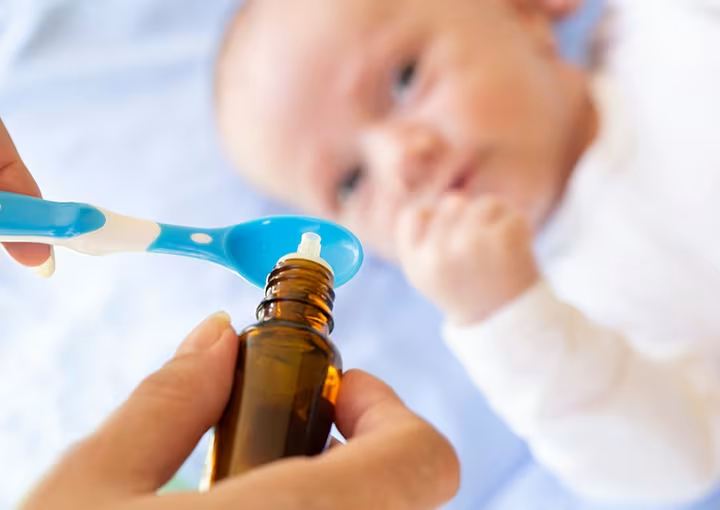
Vitamin D Drops for Newborns and Babies
Newborn babies need vitamin D drop supplements—they can’t get enough of the nutrient naturally. Learn why and discover how much vitamin D your little one needs.
Read more
What Is Ringworm and How Can It Be Treated?
Ringworm in kids is a skin condition caused by a fungal infection. Read about why it's called ringworm, causes, and treatment.
Read more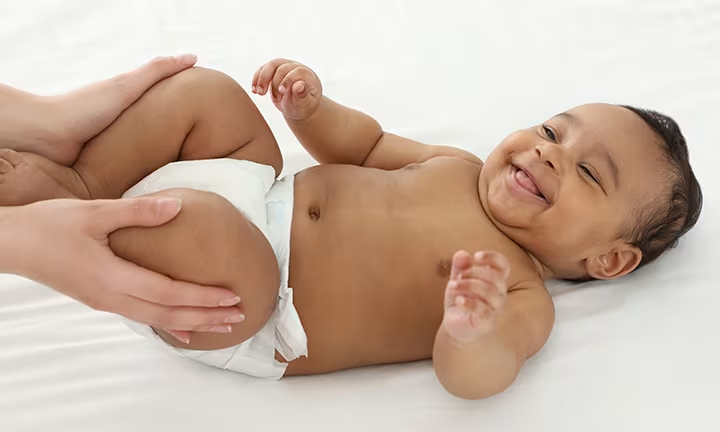
How to Massage Your Baby
You may be wondering when you can start massaging your baby. You can actually start once your baby is born. Learn more about infant massage and its health benefits!
Read moreWhat Is Newborn Jaundice and How Is it Treated?
What is baby jaundice? It's when your newborn's skin turns yellowish after birth. Learn more about why this happens and treatment measures.
Read moreGiving your Baby Medicine
Even though they need it to get better, our kids might not want to take their medicine. Here are a few practical tips for getting it done.
Read moreUnderstanding SIDS: Risk Reduction and Safe Sleep Practices for Newborns
Learn about SIDS (Sudden Infant Death Syndrome), its risk factors, and how to reduce the risks with safe sleep practices for your baby.
Read moreEssential Items for Your Medicine Cabinet
Learn what essentials to include in a baby-friendly medicine cabinet and what items to avoid for kids. Keep your baby safe with this comprehensive checklist.
Read moreOral Thrush in Babies—Why Does It Happen?
Oral thrush in babies is a common yeast infection that can easily be treated. Read more about the causes, symptoms, and treatment of oral thrush in infants.
Read morePinkeye (Conjunctivitis) in Babies and Newborns
What is pink eye? Find out what you need to know about conjunctivitis in babies and newborns, and how to treat it.
Read moreBaby and Newborn Hiccups
Find out how to get rid of baby hiccups. Learn how to soothe your newborn if she gets hiccups.
Read moreVitamin D Drops for Newborns and Babies
Newborn babies need vitamin D drop supplements—they can’t get enough of the nutrient naturally. Learn why and discover how much vitamin D your little one needs.
Read moreJoin Pampers Club and get:
- PAMPERS COUPONS
- TOOLS & QUIZZES
- PARENTING TIPS
 PAMPERS COUPONS
 TOOLS & QUIZZES
 PARENTING TIPS