
Understanding SIDS: Risk Reduction and Safe Sleep Practices for Newborns


As a parent of a young child, you may have come across the term SIDS, which stands for sudden infant death syndrome. Although the exact causes of SIDS remain unknown, there are ways to create a safe sleep environment for your baby that may help reduce the risk.
Read on to learn more about what is SIDS, possible SIDS risk factors, and how you can support your baby’s safety by taking simple preventive steps.
What Is SIDS?
The definition of sudden infant death syndrome (SIDS) refers to the unexplained and unexpected death of an otherwise healthy baby under 12 months old. SIDS is sometimes called crib death because it most often occurs while the baby is sleeping.
How Common Is SIDS?
Based on data from Statistics Canada, between 2015 and 2020, approximately 1,700 infants under the age of one died each year. On average, 1 in 15 of these deaths occurred while the infant was sleeping, with the majority being sudden and unexpected.
This translates to about 110 sleep-related infant deaths annually, affecting less than 0.01 percent of all live births in Canada.
Baby Development Milestones Watching how your baby grows and develops is an important part of parenthood. Keep track of your little one's progress with our baby development milestones articles!
What Causes SIDS?
It’s not known exactly what causes SIDS, but there may be some environmental factors that make a baby more vulnerable to SIDS, as well as maternal, physical, and general factors that may increase the risk. These risk factors are described in our section below.
SIDS Risk Factors
As mentioned above, here are some of the potential risk factors of SIDS, including environmental, maternal, physical, and general factors:
Sleep Environmental Factors
Some sleep factors that increase SIDS risk include:
Maternal Risk Factors
Even before birth, parents-to-be can also unwittingly contribute to their baby’s SIDS risk. Maternal risk factors include if a pregnant person:
Physical Factors
These are some of the physical risk factors that may increase a baby’s risk of SIDS:
General Risk Factors
Although the exact cause or causes of sudden infant death syndrome are unknown, factors such as age may contribute to the overall risk of SIDS:
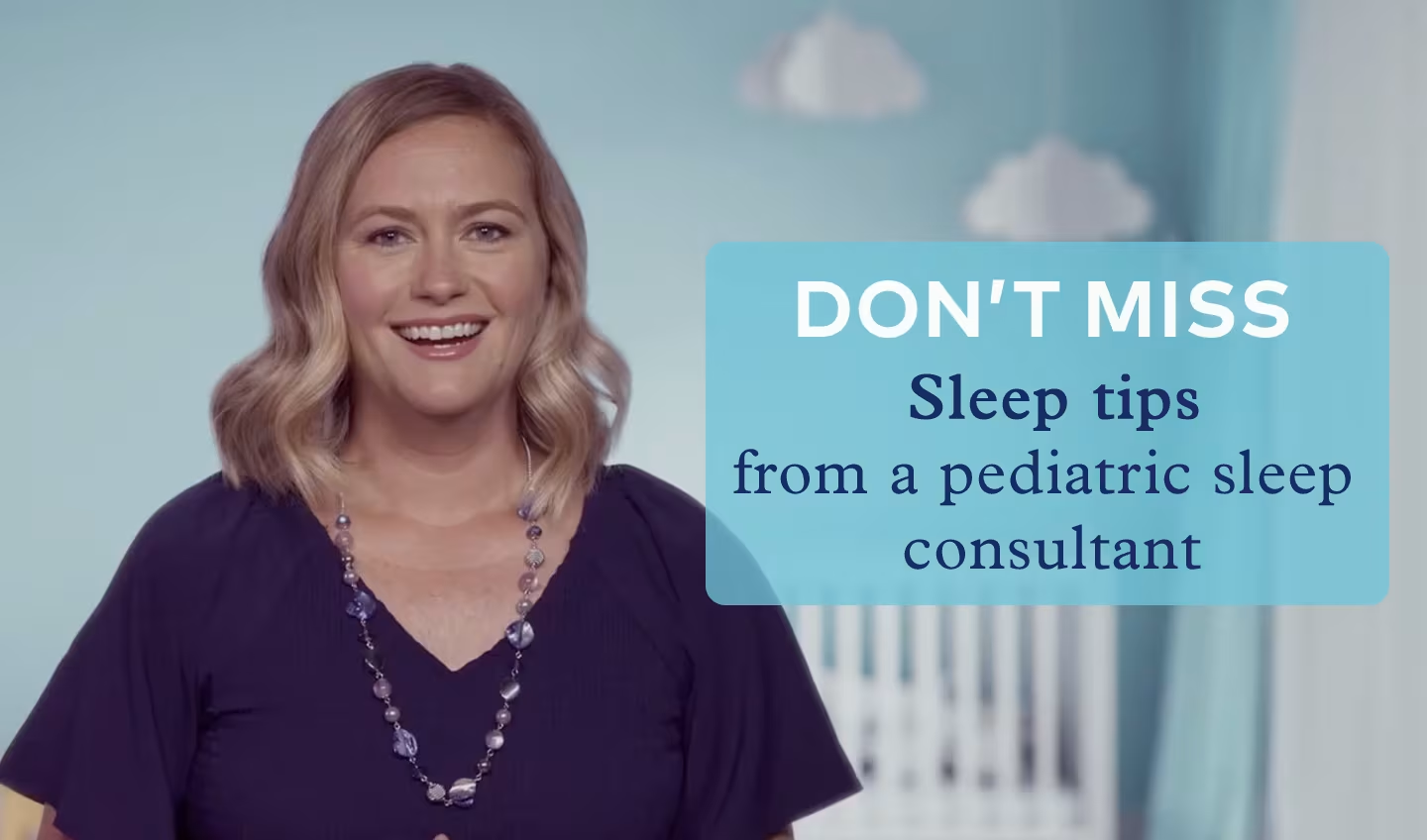
How to Help Prevent SIDS
Knowing how to promote safe sleep and help prevent SIDS is essential. Follow these SIDS prevention tips to help lower the risk:
Do
Don’t
This is a lot to take in, but this slogan might help. Just remember the ABCs of Safe Sleep: Your baby should always sleep

FAQS AT A GLANCE
These steps are good prevention measures to help lower the risk of sudden infant death syndrome:
- Put your baby to sleep on their back
- Keep the crib bare
- Make sure the sleep surface is firm
- Don’t let your baby become overheated
- Let your baby sleep in your room in their own crib
- If you can, breastfeed your baby
- Practice skin-to-skin contact
- Don’t rely on baby monitors that claim to reduce the risk of SIDS
- Use a pacifier
- Make sure your baby gets all necessary immunizations
- Don’t smoke around your baby
- Practice tummy time but only when your little one is awake.
The Bottom Line
SIDS can understandably be a concern for parents, but it’s important to remember that SIDS is rare. By consistently following safe sleep practices throughout your baby’s first year, you can help reduce the risk. Always put your little one to sleep on their back in a crib and keep the crib free of blankets, pillows, bumpers, and toys.
And don’t forget, with each Pampers purchase, you can earn rewards through the Pampers Rewards App. Download the app to access digital offers and discounts while caring for your baby.
How We Wrote This Article The information in this article is based on expert advice found in trusted medical and government sources, such as the American Academy of Pediatrics and the American College of Obstetricians and Gynecologists. You can find a full list of sources used for this article below. The content on this page should not replace professional medical advice. Always consult medical professionals for full diagnosis and treatment.

- American Academy of Pediatrics. "Caring for Your Baby and Young Child: Birth to Age 5, 7th ed."
- Centers for Disease Control and Prevention. "SIDS."
- Mayo Clinic. "Sudden Infant Death Syndrome."
- Healthy Children. "Preventing SIDS."
- Statistics Canada. "Infant Mortality."
How to Massage Your Baby
You may be wondering when you can start massaging your baby. You can actually start once your baby is born. Learn more about infant massage and its health benefits!
Read more
What Is Newborn Jaundice and How Is it Treated?
What is baby jaundice? It's when your newborn's skin turns yellowish after birth. Learn more about why this happens and treatment measures.
Read more
Giving your Baby Medicine
Even though they need it to get better, our kids might not want to take their medicine. Here are a few practical tips for getting it done.
Read more
Essential Items for Your Medicine Cabinet
Learn what essentials to include in a baby-friendly medicine cabinet and what items to avoid for kids. Keep your baby safe with this comprehensive checklist.
Read more
Oral Thrush in Babies—Why Does It Happen?
Oral thrush in babies is a common yeast infection that can easily be treated. Read more about the causes, symptoms, and treatment of oral thrush in infants.
Read more
Pinkeye (Conjunctivitis) in Babies and Newborns
What is pink eye? Find out what you need to know about conjunctivitis in babies and newborns, and how to treat it.
Read more
Baby and Newborn Hiccups
Find out how to get rid of baby hiccups. Learn how to soothe your newborn if she gets hiccups.
Read more
Vitamin D Drops for Newborns and Babies
Newborn babies need vitamin D drop supplements—they can’t get enough of the nutrient naturally. Learn why and discover how much vitamin D your little one needs.
Read more
How to Help Your Gassy Baby
Learn all about gas in infants and babies: what is it, why it happens and how you can help your baby get relief.
Read more
What Is Ringworm and How Can It Be Treated?
Ringworm in kids is a skin condition caused by a fungal infection. Read about why it's called ringworm, causes, and treatment.
Read moreHow to Massage Your Baby
You may be wondering when you can start massaging your baby. You can actually start once your baby is born. Learn more about infant massage and its health benefits!
Read moreWhat Is Newborn Jaundice and How Is it Treated?
What is baby jaundice? It's when your newborn's skin turns yellowish after birth. Learn more about why this happens and treatment measures.
Read moreGiving your Baby Medicine
Even though they need it to get better, our kids might not want to take their medicine. Here are a few practical tips for getting it done.
Read moreEssential Items for Your Medicine Cabinet
Learn what essentials to include in a baby-friendly medicine cabinet and what items to avoid for kids. Keep your baby safe with this comprehensive checklist.
Read moreOral Thrush in Babies—Why Does It Happen?
Oral thrush in babies is a common yeast infection that can easily be treated. Read more about the causes, symptoms, and treatment of oral thrush in infants.
Read morePinkeye (Conjunctivitis) in Babies and Newborns
What is pink eye? Find out what you need to know about conjunctivitis in babies and newborns, and how to treat it.
Read moreBaby and Newborn Hiccups
Find out how to get rid of baby hiccups. Learn how to soothe your newborn if she gets hiccups.
Read moreVitamin D Drops for Newborns and Babies
Newborn babies need vitamin D drop supplements—they can’t get enough of the nutrient naturally. Learn why and discover how much vitamin D your little one needs.
Read moreJoin Pampers Club and get:
- PAMPERS COUPONS
- TOOLS & QUIZZES
- PARENTING TIPS
 PAMPERS COUPONS
 TOOLS & QUIZZES
 PARENTING TIPS