
Symphysis Pubis Dysfunction (SPD) During Pregnancy


What is symphysis pubis dysfunction (SPD)? It’s a condition that causes pelvic pain during pregnancy due to increased flexibility in the pubic symphysis joint. This happens as pregnancy hormones loosen ligaments to prepare your body for birth. The result can be discomfort, limited mobility, and pelvic bone pain.
The good news? While symphysis pubis dysfunction during pregnancy can be painful, it is manageable. There are effective symphysis pubis dysfunction treatments, including exercises, physiotherapy, and lifestyle adjustments, that can help relieve discomfort. In most cases, symptoms improve or disappear after birth.
Read on to learn about symphysis pubis dysfunction symptoms, why it happens, and how to manage it for a more comfortable pregnancy.
What Is Symphysis Pubis Dysfunction (SPD) in Pregnancy?
Symphysis pubis dysfunction (SPD), also known as pelvic girdle pain (PGP) can happen during pregnancy when the joint called the pubic symphysis that connects the two halves of your pelvic bone moves too much.
The symphysis pubis joint is normally very stiff and doesn’t move much at all, but during pregnancy, a hormone called relaxin is released in your body to help relax the muscles and joints as your body prepares for giving birth. As part of this, the symphysis pubis joint is also loosened.
As the pelvic joint moves more than usual, and even potentially becomes uneven, you may experience pelvic pain.

Be sure to contact your healthcare provider if you have any pelvic pain during pregnancy, as the cause of your discomfort may not be symphysis pubis dysfunction (SPD). Your healthcare provider can both diagnose SPD and rule out something else like an ectopic pregnancy, a urinary tract infection, or pelvic inflammatory disease, for example.
Symphysis Pubis Dysfunction (SPD) Symptoms During Pregnancy
These are some of the potential symptoms of symphysis pubis dysfunction:
Keep in mind that the pain you might feel because of symphysis pubis dysfunction can range from mild to severe.
The pain from SPD is often worsened by:
Sitting or standing for long periods.
Symphysis Pubis Dysfunction Treatment
If your healthcare provider diagnoses symphysis pubis dysfunction, there are several treatment methods to help ease the pain they may recommend. On top of that, keep in mind that SPD pain usually goes away after you give birth.
Here are some symphysis pubis dysfunction treatment methods your provider might suggest to help with pain relief:
How to Relieve Pelvic Pain During Pregnancy
Here are some home remedies you can try to help relieve symphysis pubis dysfunction pain during pregnancy. Please remember to consult your healthcare provider for a diagnosis and recommendations before trying any of the following:
Learn safe bending and movement techniques.
How Can You Prevent Symphysis Pubis Dysfunction
Although you can’t entirely prevent pelvic pain during pregnancy, there are ways to reduce your risk and help avoid injuring your pelvic area. Here are some things you can do:
Pelvic Pain by Trimester
If you’re experiencing pelvic pain during your first, second, or third trimester, it’s always best to consult your healthcare provider for a diagnosis and treatment options. Here are some possible causes and concerns related to pelvic pain in each trimester:
First Trimester
Second Trimester
Third Trimester
For any concerns, consult with your healthcare provider to rule out serious conditions.

FAQs at a Glance
To help alleviate symphysis pubis dysfunction, your healthcare provider might suggest options such as:
- exercises to strengthen core muscles
- adequate rest
- therapeutic massage
- pain relief medications.
Although symphysis pubis dysfunction might be causing you some discomfort during your pregnancy, try to remember that the pain might be helped by the treatment recommended by your healthcare provider or, eventually, by the birth of your little one.
Yes, there’s quite an A to Z of body aches and pains that you might experience while pregnant but try to bear in mind that it will all have been worth it once you’re holding your baby in your arms.
During your pregnancy journey, it’s always helpful to plan ahead by downloading the Pampers Club app. Our app offers exclusive pregnancy and parenting content, as well as rewards and discounts on all your diaper and wipes purchases.
How We Wrote This Article The information in this article is based on expert advice found in trusted medical and government sources, such as the American Academy of Pediatrics and the American College of Obstetricians and Gynecologists. You can find a full list of sources used for this article below. The content on this page should not replace professional medical advice. Always consult medical professionals for full diagnosis and treatment.
- American College of Obstetricians and Gynecologists. Your Pregnancy and Childbirth: Month to Month, 7th ed. (Washington, DC: American College of Obstetricians and Gynecologists, 2021).
- Cleveland Clinic. “Round Ligament Pain.”
- Cleveland Clinic. “Sciatica.”
- Cleveland Clinic. “Symphysis Pubis Dysfunction.”
- NCBI. “Pregnancy-related symphysis pubis dysfunction management.”
- Mayo Clinic. “Chronic pelvic pain in women.”
- Cleveland Clinic. “TENS.”
- Mayo Clinic. “Pelvic Pain: Female.”
How Much Weight Should I Gain During Pregnancy?
How much weight should you gain each trimester? Read our guide to understand what you should eat, where the weight goes, and what to avoid during pregnancy.
Read more
All About Pregnancy Fatigue
Discover helpful insights on managing pregnancy fatigue. Learn about the causes, symptoms, and tips to alleviate tiredness during your pregnancy journey.
Read more
Differences in Pregnancy Symptoms During a Second Pregnancy
Your second pregnancy may come with both familiar and new symptoms. Learn what you could expect this time around, as each pregnancy is a unique experience.
Read more
Pregnancy Symptoms: Frequent Urination
Frequent urination during pregnancy? Get expert advice on managing this symptom caused by your baby's growth and bladder pressure.
Read more
What is Quickening and When Can You Feel Your Baby Moving?
Curious about when you might be able to feel your baby’s first movements? Explore the details of quickening and fetal activity to find out.
Read more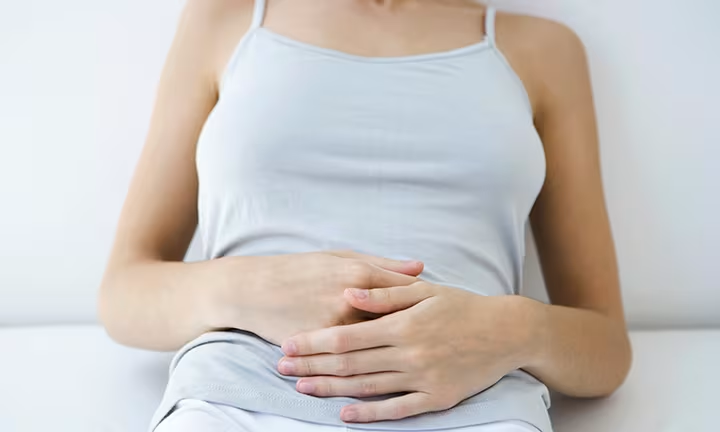
What is Implantation Bleeding and What Are the Symptoms?
Learn when implantation bleeding occurs, its duration, and how to distinguish it from a period. Understand the symptoms and how it connects to early pregnancy.
Read more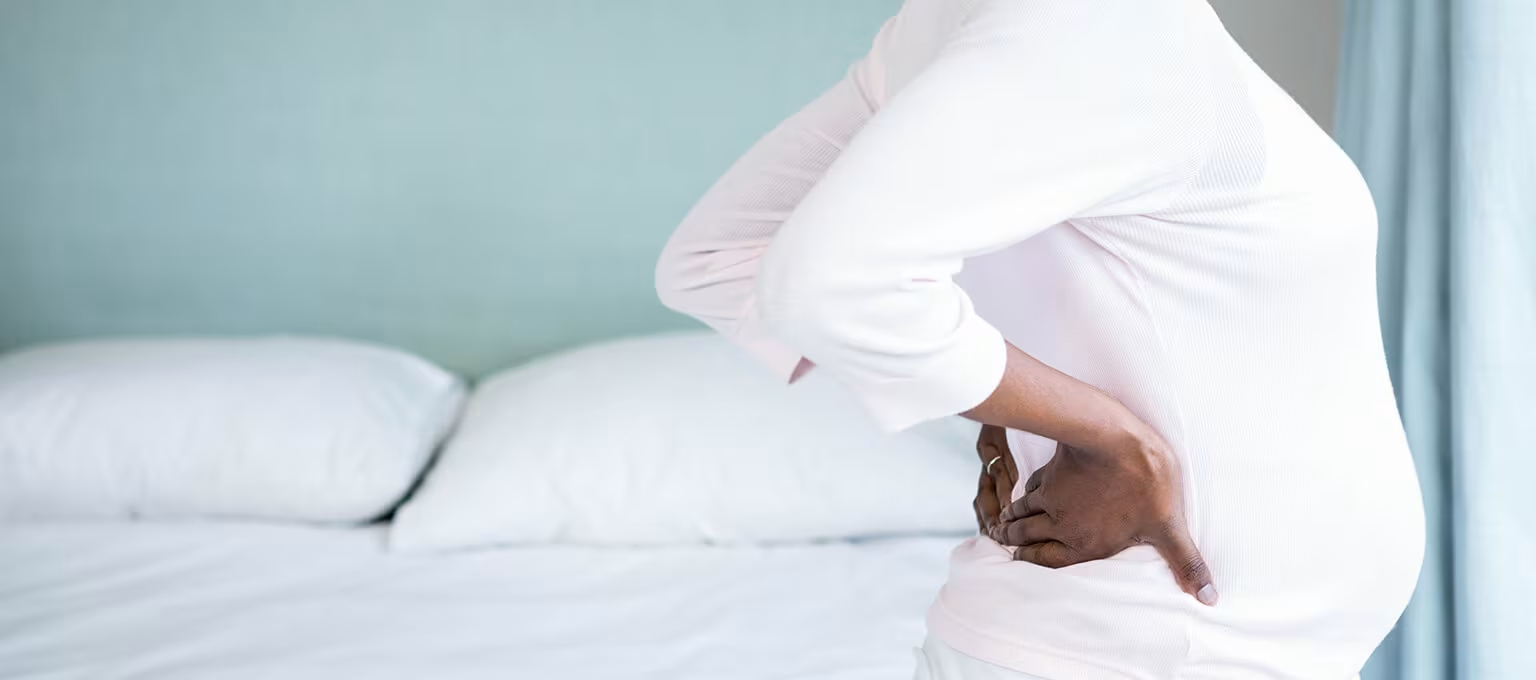
What to Do About Pregnancy Back Pain
Learn about the causes of back pain during pregnancy, tips for relief, and how to maintain and manage a healthy posture for a more comfortable journey.
Read more
Your Baby Bump Throughout Pregnancy
Excited to see that baby bump? Find out how your baby bump grows and changes throughout your pregnancy, week-by-week and month-by-month.
Read more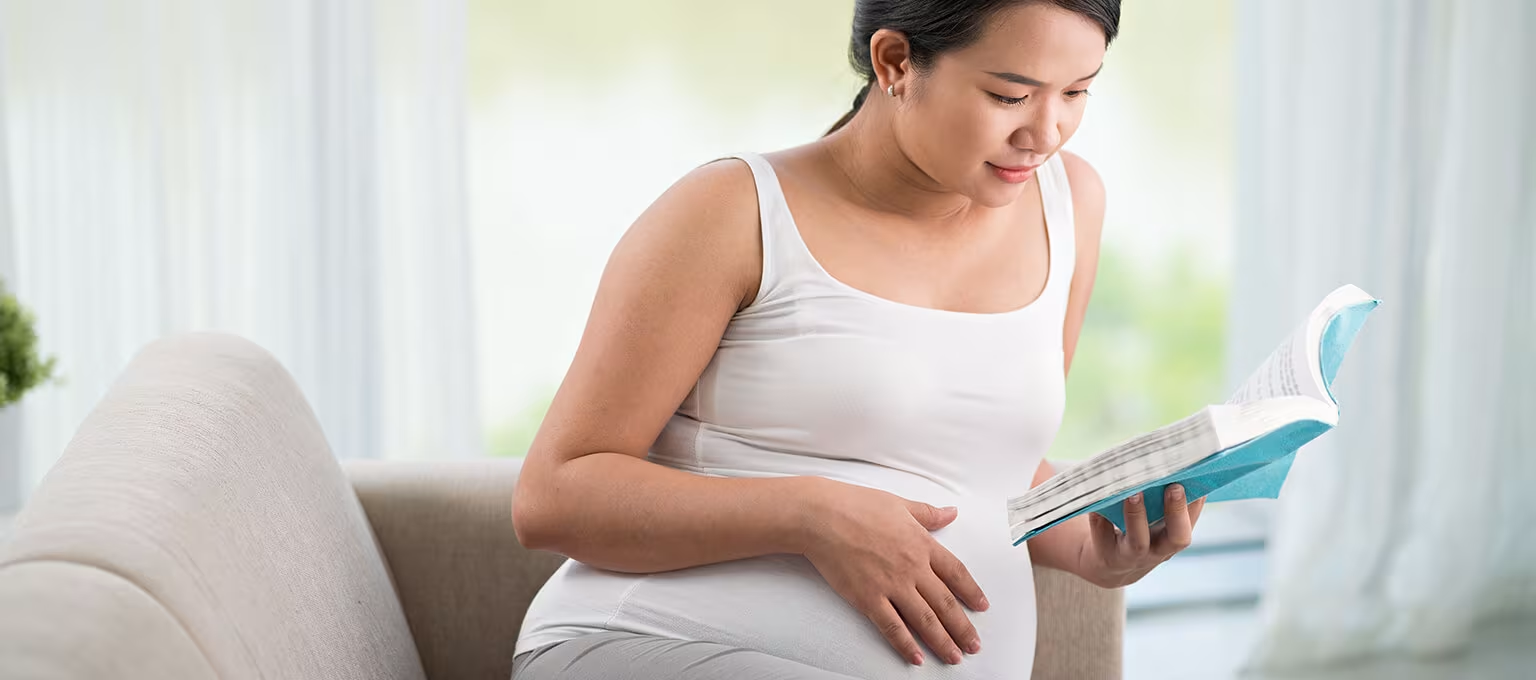
Pregnancy Discharge: Types and What They Mean
Discover the various types of pregnancy discharge, their causes, and when to consult your healthcare provider.
Read more
Pregnancy Warning Signs You Should Not Ignore
During pregnancy, it's crucial to be aware of any warning signs, even if rare. If you notice something wrong, consult your healthcare provider immediately.
Read moreHow Much Weight Should I Gain During Pregnancy?
How much weight should you gain each trimester? Read our guide to understand what you should eat, where the weight goes, and what to avoid during pregnancy.
Read moreAll About Pregnancy Fatigue
Discover helpful insights on managing pregnancy fatigue. Learn about the causes, symptoms, and tips to alleviate tiredness during your pregnancy journey.
Read moreDifferences in Pregnancy Symptoms During a Second Pregnancy
Your second pregnancy may come with both familiar and new symptoms. Learn what you could expect this time around, as each pregnancy is a unique experience.
Read morePregnancy Symptoms: Frequent Urination
Frequent urination during pregnancy? Get expert advice on managing this symptom caused by your baby's growth and bladder pressure.
Read moreWhat is Quickening and When Can You Feel Your Baby Moving?
Curious about when you might be able to feel your baby’s first movements? Explore the details of quickening and fetal activity to find out.
Read moreWhat is Implantation Bleeding and What Are the Symptoms?
Learn when implantation bleeding occurs, its duration, and how to distinguish it from a period. Understand the symptoms and how it connects to early pregnancy.
Read moreWhat to Do About Pregnancy Back Pain
Learn about the causes of back pain during pregnancy, tips for relief, and how to maintain and manage a healthy posture for a more comfortable journey.
Read moreYour Baby Bump Throughout Pregnancy
Excited to see that baby bump? Find out how your baby bump grows and changes throughout your pregnancy, week-by-week and month-by-month.
Read moreJoin a World of Support
- TRACK WITH TOOLS
- LEARN WITH EXPERTS
- GET REWARDED
 TRACK WITH TOOLS
 LEARN WITH EXPERTS
 GET REWARDED