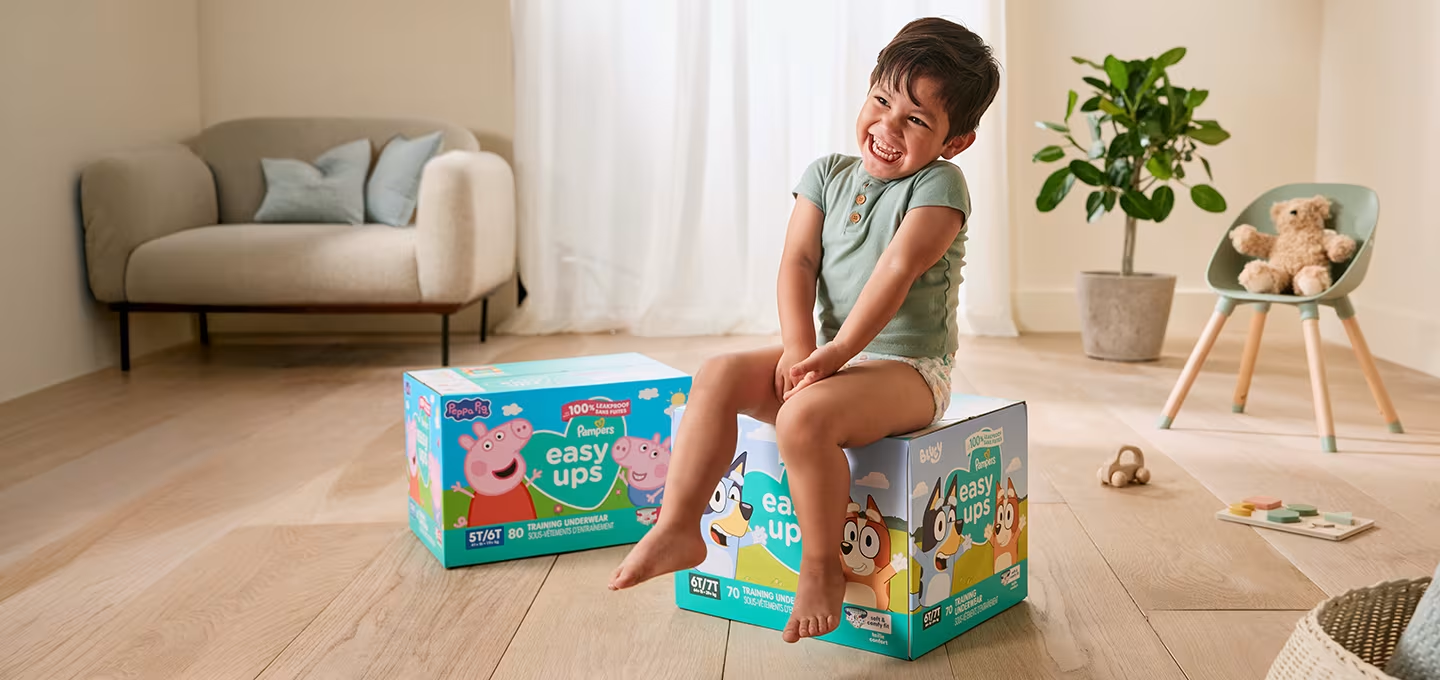
Nighttime Potty Training: When to Start and Tips to Help the Process


Key Takeaways
Nighttime potty training can seem overwhelming—your child may have daytime potty training down, but still wake up wet at night. This is completely normal! Whether your child wakes up dry or not mostly depends on how well their brain and bladder communicate, plus the healthy habits they pick up during the day. Remember, you’re not aiming for instant perfection. The real goal is to have a plan that helps your child sleep better, feel more confident, and have fewer accidents.
Signs your child may be ready for potty training at night:
Up next, we’ll share easy routines and quick setup tips to help make evenings smoother for everyone.
Daytime vs. Nighttime Potty Training
Most children start potty training around the age of 2, but every child is different—some are ready sooner, while others might need a bit more time. Daytime toilet training means your child starts to notice when they need to pee and gets to the potty or toilet, either on their own or with a helping hand from a grown-up they trust. Once your child gets the hang of it, they'll be able to use the toilet on their own during the day and won't need diapers anymore.
Nighttime potty training often comes later, after daytime toilet training is successful. Keep in mind, your toddler will probably still need diapers at night and maybe even for naps while you're working on daytime potty training.
Remember, every child is different when it comes to nighttime potty training—some kids need a bit more time before they stay dry through the night. Usually, bowel control develops pretty early. Some children aren't able to stay dry at night until they’re around 5 or 6 years old, and that’s OK.
When to Start Nighttime Potty Training?
The right time to potty train at night really depends on your toddler. You can try a few nighttime potty training tips while you’re still working on daytime training, but it’s a good idea to wait until your child is consistently using the toilet during the day before you start focusing on dry nights.
Children develop at different paces, so there’s no single nighttime potty training age. However, if your child begins potty training at about 2 years old, they might be ready to start working toward nighttime dryness by age 3.
Tip
Don’t rush your child into potty training at night until they seem ready. Studies show that starting too early can actually make the process take longer. If you wait until your child is truly ready, they’ll likely be successful—even sooner.
Is Nighttime Potty Training Possible?
In a word, yes! If you're a parent, nighttime potty training can feel overwhelming—especially with your little one fast asleep. But the good news is that nighttime potty training really is possible, and you can make it work. Here are a few helpful tips to keep in mind:
What Age to Stop Using Diapers at Night?
A lot of parents find themselves asking, “When do kids finally stop wearing diapers? Is it different at night? The reality is, many kids take longer to stay dry through the night than they do during the day, even after potty training.
As mentioned earlier, daytime bladder control is often mastered first, with nighttime control developing months—or even years—later. Bedwetting can be typical up to age 5 and beyond.
If you’re wondering, “When do babies stop wearing diapers at night? There isn’t a single ‘right’ age for every child. Most kids outgrow nighttime diapers sometime between ages 3 and 7, but each child is unique and develops in their own time.
You might notice signs your child is ready to go without nighttime diapers, such as:
Night time toilet training often depends on physical development, including hormone levels that reduce urine production at night and a child’s ability to wake from sleep when their bladder is full. Remember that bedwetting is not something your child can control or “try harder” to fix. Reassurance and patience are key to helping your child.
In the meantime, potty training pants can help protect bedding while your child builds confidence and independence. For more support, discover practical strategies for potty training your toddler.
Parents also ask…
Is it okay to pause night potty training if it’s not working?
Yes. If your child seems stressed or is having a lot of accidents, it’s perfectly fine to pause and try potty training again later, when they seem more ready.
Do boys and girls night potty train at different ages?
Kids reach milestones in their own time. But remember, every child is unique—being ready is more important than whether they’re a boy or a girl. Still, individual readiness matters more than gender.

Baby Growth Chart Calculator
Keep an eye on your baby’s height, weight, and head circumference to average growth with our simple tool.
This is a mandatory field.
This is a mandatory field.
This is a mandatory field.
This is a mandatory field.
*Input details of your baby’s last measurements **Source: World Health Organization
How to Toilet Train at Night
If you’re figuring out how to nighttime potty train, keep in mind that nighttime dryness isn’t quite the same as daytime potty training. Readiness matters more than age.
Your child may be ready for night time potty training if they:
If you’re looking into how to potty train at night for your 3- or 4-year-old, remember—it’s totally normal for kids this age to have accidents.
Night toilet training improves as:
Mastering nighttime potty training is all about building consistent routines and allowing your child’s body the chance to grow at its own pace.
Read our tips below to help you support your little one during nighttime potty training. For more general guidance on this important milestone, visit our potty training tips hub.

13 Nighttime Toilet Training Tips
If your child is starting to show they're ready, try these nighttime potty training tips. They work best alongside your child’s natural development, making the process smoother for both of you.
Tip
Ask your toddler’s preschool if you can leave an extra set of underwear and clothes with them. A lot of schools either recommend or require this, so you’ll likely find it’s common practice.

How Long Does It Take to Potty Train at Night
The timing for night potty training varies. According to the American Academy of Pediatrics (AAP), nighttime dryness can take months—or even years—after daytime potty training is complete. It’s common for children to still wet the bed at age 5, and many outgrow it naturally over time. Nighttime potty training depends on physical development, not effort or practice alone.
Wondering how long nighttime potty training actually takes? It helps to remember that this is usually a gradual journey. Some kids start waking up dry just a few weeks after beginning night time toilet training, while others may need more time for their bladder and sleep patterns to mature. For further guidance on age stages, you may find this overview of baby and toddler development helpful.
If your child continues to wet the bed regularly after age 6, consult your child’s healthcare provider for guidance.
Parents also ask…
How do you handle accidents during nighttime potty training?
Stay calm and matter-of-fact, and avoid punishment or shame. Use waterproof mattress covers and keep extra pyjamas nearby to make cleanups quick and low-stress.
Does limiting fluids before bed help with nighttime potty training?
Reducing large drinks right before bedtime can help, but children should still stay hydrated during the day. The goal is balance—not restricting fluids too much.
When to Consult Your Child’s Healthcare Provider
Handling bedwetting is an important step in potty training at night. Some kids may experience it now and then—even into their teen years. Here’s what to keep in mind:
Contact your child’s healthcare provider if your little one is older than 6 and still wetting the bed at night consistently despite nighttime potty training efforts. They may just need a little more time with potty training. The provider can look for any signs of issues and offer advice or treatment options if necessary.
FAQs at a Glance
Every child develops at their own pace, so there isn't a set age when they have to stay dry overnight. If your child is still wetting the bed at night past age 6, it's a good idea to talk to your healthcare provider for advice that's tailored to your child's needs.
The Bottom Line
Children develop and reach success at their own unique rates, and that holds true for completing nighttime potty training. Although some children achieve dry nights faster than others, it’s common for bed-wetting to occur regularly up to 5 years old and occasionally into adolescence.
Potty training at night takes time and patience. You'll need to wait for your child's bladder to develop, and for their brain to figure out when to wake them up to use the bathroom. Most kids don't stay dry through the night until around age six. That means your child will likely have a few accidents during night time toilet training—and that’s perfectly normal.
When it comes to potty training at night, staying calm, patient, and encouraging makes all the difference. Remember, a positive attitude helps your child feel at ease. Here are some extra tips to make things go a little smoother:
Contact your child’s healthcare provider if they’re still experiencing bed-wetting at age 6. Most likely, your child just needs a little extra time to reach this nighttime potty training milestone, but their provider can help rule out any problems, offer advice, and suggest treatments if required.
Even wet nights aren’t so bad when you can reward yourself with every purchase of training pants (or wipes or diapers) with the Pampers Club app.
- American Academy of Pediatrics. Caring for Your Baby and Young Child: Birth to Age 5, 7th ed. (New York: Bantam Books, 2019).
- Healthy Children: Bedwetting
- Healthy Children: Stages of Toilet Training
- Kids Health: Toilet Training
- Mayo Clinic: Bedwetting
- Mayo Clinic: Potty Training
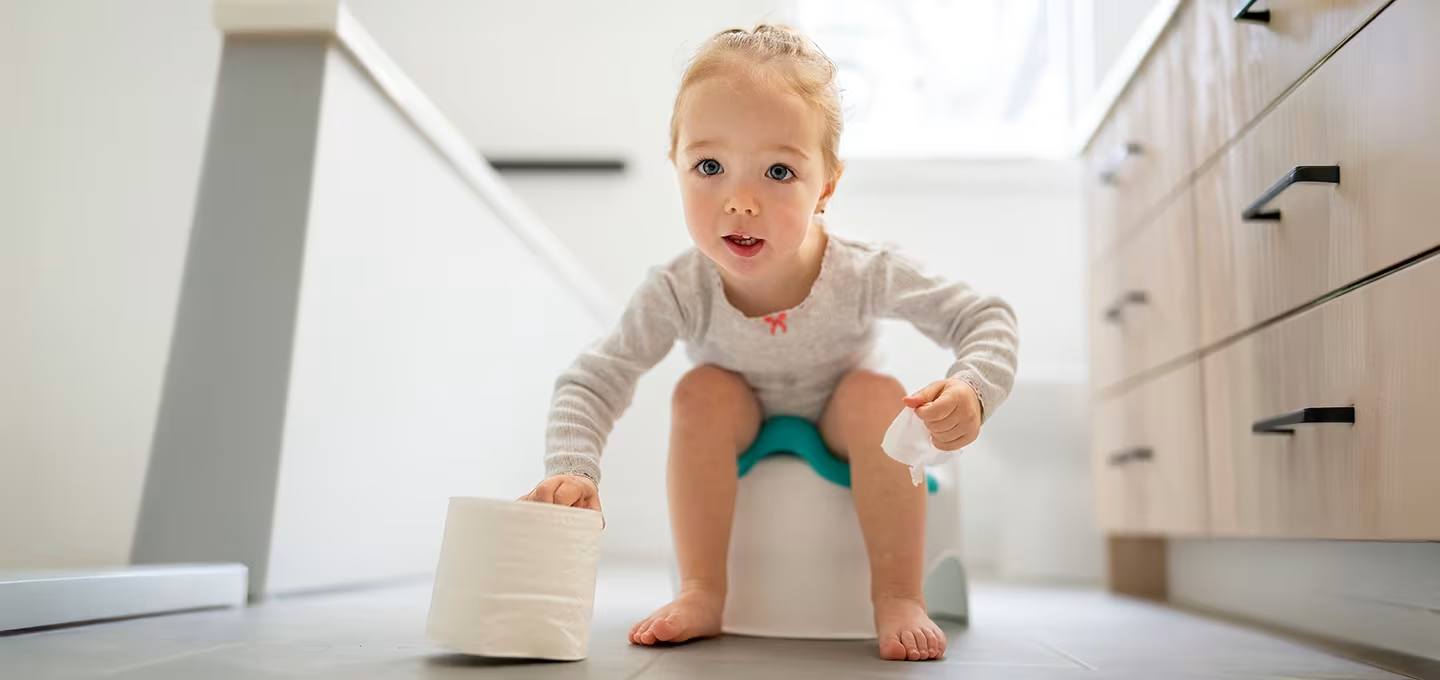
When to Start Potty Training: 7 Signs Your Child Is Ready
Wondering when to start potty training? Learn the signs of readiness, the best age to begin, and tips to help your toddler succeed.
Read more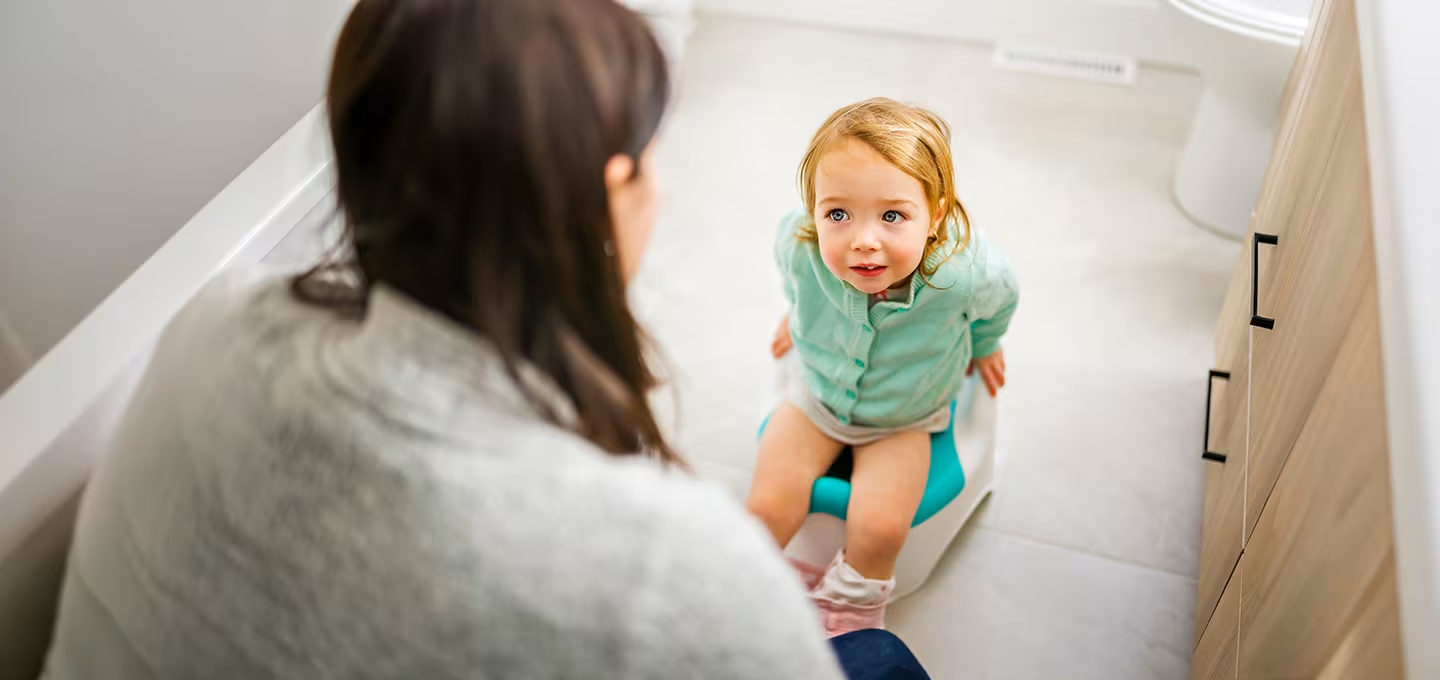
Potty Training Chart and Reward Ideas—Including Printables
Potty training can sometimes be challenging. Our article provides tips and free printable potty-training charts to help keep your toddler on track.
Read more
When to Start Potty Training: 7 Signs Your Child Is Ready
Wondering when it’s time to start potty training? Watch for certain readiness signs to tell if your child is ready. Read more here.
Read more
The 3-Day Potty Training Method—A Step-by-Step Guide
Interested in the 3-day potty-training method? Learn tips you can use to toilet train your toddler using this method or any other method you decide to try.
Read moreWhen to Start Potty Training: 7 Signs Your Child Is Ready
Wondering when to start potty training? Learn the signs of readiness, the best age to begin, and tips to help your toddler succeed.
Read morePotty Training Chart and Reward Ideas—Including Printables
Potty training can sometimes be challenging. Our article provides tips and free printable potty-training charts to help keep your toddler on track.
Read moreWhen to Start Potty Training: 7 Signs Your Child Is Ready
Wondering when it’s time to start potty training? Watch for certain readiness signs to tell if your child is ready. Read more here.
Read moreThe 3-Day Potty Training Method—A Step-by-Step Guide
Interested in the 3-day potty-training method? Learn tips you can use to toilet train your toddler using this method or any other method you decide to try.
Read moreWhen to Start Potty Training: 7 Signs Your Child Is Ready
Wondering when to start potty training? Learn the signs of readiness, the best age to begin, and tips to help your toddler succeed.
Read morePotty Training Chart and Reward Ideas—Including Printables
Potty training can sometimes be challenging. Our article provides tips and free printable potty-training charts to help keep your toddler on track.
Read moreWhen to Start Potty Training: 7 Signs Your Child Is Ready
Wondering when it’s time to start potty training? Watch for certain readiness signs to tell if your child is ready. Read more here.
Read moreThe 3-Day Potty Training Method—A Step-by-Step Guide
Interested in the 3-day potty-training method? Learn tips you can use to toilet train your toddler using this method or any other method you decide to try.
Read moreJoin Pampers Club and get:
- PAMPERS COUPONS
- TOOLS & QUIZZES
- PARENTING TIPS
 PAMPERS COUPONS
 TOOLS & QUIZZES
 PARENTING TIPS