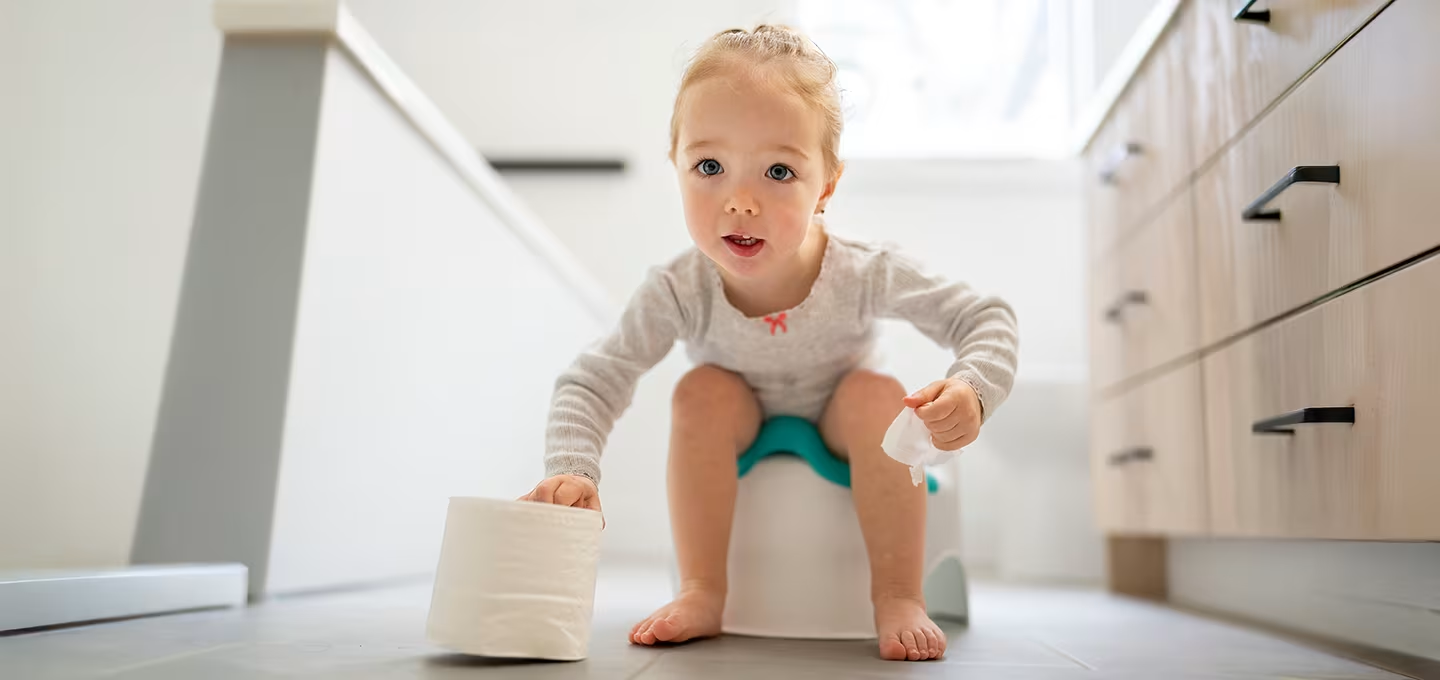
When to Start Potty Training: 7 Signs Your Child Is Ready


Key Takeaways
Trying to figure out when to start potty training? Most toddlers are ready somewhere between 2 and 3 years old, but honestly, the best time isn’t just about the age. It’s all about your little one’s unique pace and recognizing toilet training signs of readiness. According to pediatric experts, it’s ideal to start when your child is curious about the toilet, can follow simple steps, stays dry for a while, and starts to recognize when to use the potty or the need to go.
If you try too soon—before your child’s actually ready—it can end up being frustrating for both of you and might even slow things down. Keep an eye out for those key signs like emotional, cognitive, and physical readiness before you go full steam ahead. And remember, every child grows and learns at their own pace, so focus on when to potty train according to your child, not just their age.
Here’s a quick checklist to make sure your toddler’s ready:
| Signs of readiness | What it means |
|---|---|
| Dry for 2+ hours | Building up bladder control |
| Regular bowel movements | Easier to know when to potty time |
| Follows simple directions | Can get through the steps for using the potty |
| Can pull pants up/down | Physically able to use the toilet |
| Shows interest in toilet use | Emotionally ready to try something new |
Potty training is a journey, not a sprint. Take it easy, give lots of support, and be consistent. Next up, we’ll walk you through the signs your child may be ready and how to set the stage for potty success.
What Age to Start Potty Training?
You may be wondering when to start potty training or what’s considered the average potty-training age. The American Academy of Pediatrics and other pediatric experts say most children are ready to try using the toilet sometime between 18 and 36 months, which is the average age for toilet training.
Some children might look interested earlier, but the research says that starting before 18 months rarely means they’re out of diapers sooner. Many pediatricians recommend looking at your child’s age in combination with developmental readiness rather than rushing the process.
There’s really no magic potty training age. Instead, focus on your toddler’s actual progress—and if you’re asking “when should we start? ” just know that anywhere from 18 months up to 3 years old is pretty standard. We’ll explain what to look out for next.
Potty Training Readiness: Boys vs Girls
Many parents ask if you should start potty training boys earlier than girls or vice versa, and if one is typically quicker. The truth? It’s all about your individual kid—and gender is just one tiny part of the whole picture.
Experts like the American Academy of Pediatrics focus way more on developmental cues than on whether your child is a boy or a girl. Whatever your family looks like, the key is: does your child show those toilet training signs of readiness?
Sure, some families spot a difference in interest or attitude between boys and girls, but it’s not a guarantee, and it doesn’t predict how long the process will take, either.
Signs of Readiness for Potty Training
Here’s the thing: there isn’t one “right” age for potty training. It’s about when your child starts picking up the skills they’ll need. You know your little one best, so trust your gut! Lots of parents find it works better to wait until age 2 or a bit older before jumping in, but every journey is different. Focus on when to potty train based on your child’s cues.
Instead of watching the calendar, keep an eye out for toilet training signs of readiness in your toddler.
These are some classic potty training readiness clues:
Getting curious about the pottyGetting curious about the potty
Getting curious about the pottyGetting curious about the potty
Is your little one watching you or others and asking questions? That curiosity means they want some independence and might be ready for toilet training soon.
Talking about their bathroom needs
Talking about their bathroom needs
If your child starts telling you “my diaper’s dirty” or “I need to go pee pee,” even if it’s after the fact, that’s huge. Being aware is a milestone that can help you determine when you can start potty training.
Making the connection between urge and action
Making the connection between urge and action
If your child understands what the feeling means and connects it to using the toilet, they’re on the right path for potty training.
Following simple directions and copying you
Following simple directions and copying you
If they love imitating your routines (yup, even in the bathroom! ), they’ll likely be open to learning new skills and starting toilet training.
Staying dry for longer
Staying dry for longer
When they can keep their diaper dry for at least two hours, it means their little body is getting the hang of holding pee, which is a key sign in potty training readiness.
Managing the potty process
Managing the potty process
Sitting on the potty, staying put, and then getting up again? Total points for independence, even if they still need a little help.
Pulling their own bottoms up and down
Pulling their own bottoms up and down
Being able to get their diaper, pull-ups, or undies on and off matters for potty success!
Want to see how your child is growing these days? Try our Baby Growth Chart Calculator to track height, weight, and head size. Every little milestone counts!

Baby Growth Chart Calculator
Keep an eye on your baby’s height, weight, and head circumference to average growth with our simple tool.
This is a mandatory field.
This is a mandatory field.
This is a mandatory field.
This is a mandatory field.
*Input details of your baby’s last measurements **Source: World Health Organization
Parents also ask… What is the average age for toilet training? Most little ones are ready somewhere between 18 and 36 months—but honestly, every child’s timing is a little different. Watch for toilet training signs of readiness to decide when it’s best for your child. How do I know if my toddler is really ready for potty training? Look for signs of readiness like staying dry for at least 2 hours, showing interest in the toilet, and being able to follow simple steps. Spotting these signs can tell you when to potty train. |
Potty Training Tips to Help Prepare Your Toddler
If you’re not sure how to kick things off, a bit of preparation can make the whole process smoother for both you and your little one. These early tips help toddlers feel more at ease and give everyone a head start.
Letting your child get used to the idea—even before diving in for real—takes the fear out, cuts down on power struggles, and helps lay the foundation for success.
Here’s how you can set the stage for potty training:
Parents also ask... Is potty training different for boys and girls? Honestly, the signs are pretty much the same for everyone. Some parents notice boys can take a little longer, but every child sets their own pace, and the basic toilet training signs of readiness remain the same. Can I start potty training before age 2? If your toddler’s showing signs they’re ready, you can definitely give it a try. Just know that pushing too hard, too soon, can make things frustrating. Look for when to potty train that truly fits your unique child. Do pull-up diapers help with potty training? For sure! They’re easy for your child to pull on and off and boost independence—but some parents skip them and go straight to undies. Whatever works best for you and your little one. |
Going through a ton of diapers or training pants before your kid is fully potty trained? Why not earn some rewards and savings on Pampers goodies while you’re at it? Grab the Pampers Club app to get started!
How to Start Potty Training
Once you spot most of the readiness signs, it’s a perfect time to kick off potty training. Experts say to keep it calm and steady—begin with bowel training, then work your way up to full-on toilet life. Every child’s journey is different, so “when to potty train” will depend on your little one’s unique pace.
Top ways to start potty training your toddler:
Still looking for more tips? Check out even more potty training advice in our special guide.
Tip
Patience and consistency really are your best pals. And remember—every toddler will get there their own way and in their own time. If you hit a wall, it’s totally fine to pause and try again in a few weeks. Don’t stress about when to potty train—just keep tuning into your child’s hints.
When to Delay Potty Training
Trust your instincts on whether or not the time is right to launch into potty training. Even if your toddler is showing signs of being ready for potty training, you might want to put off introducing this new skill in the following situations:
Not sure if your child’s actually ready for potty training? Check back on our list of Signs of Potty Training Readiness. If your little one’s not ticking most of these boxes, you might want to give it a bit more time and use potty training age as an additional reference.
Parents also ask... What’s the easiest way to start potty training? Just be casual—let your toddler hang out on the potty with their clothes on, talk about what it’s for, and offer plenty of praise. Find what helps your child recognize when to potty most effectively. How long does potty training usually take? It can be anywhere from a few weeks to a few months, depending on your child’s personality, your routine, and how development is going. Hiccups and setbacks are totally normal. |
FAQS AT A GLANCE
No two children are alike, so signs vary. A big early hint is showing curiosity about the potty or asking questions. If your child is eager to copy you, that’s a great sign it might be time to start the potty training adventure!
The Bottom Line
When your toddler is ready, potty training can be an exciting milestone! Sure, there’ll be accidents and tricky days, but staying patient and positive makes all the difference. Enjoy the journey, keep cheering them on, and you’ll both get there before you know it, no matter when you start to potty train.
Don’t forget—you can download the Pampers Club App for expert tips, handy tools, and rewards on all your Pampers favourites.
The information in this article is based on the expert advice found in trusted medical and government sources, such as the American Academy of Pediatrics and the American College of Obstetricians and Gynecologists. You can find a full list of sources used for this article below. The content on this page should not replace professional medical advice. Always consult medical professionals for full diagnosis and treatment.
Potty Training Chart and Reward Ideas—Including Printables
Potty training can sometimes be challenging. Our article provides tips and free printable potty-training charts to help keep your toddler on track.
Read more
When to Start Potty Training: 7 Signs Your Child Is Ready
Wondering when it’s time to start potty training? Watch for certain readiness signs to tell if your child is ready. Read more here.
Read more
The 3-Day Potty Training Method—A Step-by-Step Guide
Interested in the 3-day potty-training method? Learn tips you can use to toilet train your toddler using this method or any other method you decide to try.
Read more
Nighttime Potty Training: When to Start and Tips to Help the Process
If your little one has mastered daytime dryness, it may be time to start nighttime potty training. We’ve got all the details, plus useful tips and tricks.
Read morePotty Training Chart and Reward Ideas—Including Printables
Potty training can sometimes be challenging. Our article provides tips and free printable potty-training charts to help keep your toddler on track.
Read moreWhen to Start Potty Training: 7 Signs Your Child Is Ready
Wondering when it’s time to start potty training? Watch for certain readiness signs to tell if your child is ready. Read more here.
Read moreThe 3-Day Potty Training Method—A Step-by-Step Guide
Interested in the 3-day potty-training method? Learn tips you can use to toilet train your toddler using this method or any other method you decide to try.
Read moreNighttime Potty Training: When to Start and Tips to Help the Process
If your little one has mastered daytime dryness, it may be time to start nighttime potty training. We’ve got all the details, plus useful tips and tricks.
Read morePotty Training Chart and Reward Ideas—Including Printables
Potty training can sometimes be challenging. Our article provides tips and free printable potty-training charts to help keep your toddler on track.
Read moreWhen to Start Potty Training: 7 Signs Your Child Is Ready
Wondering when it’s time to start potty training? Watch for certain readiness signs to tell if your child is ready. Read more here.
Read moreThe 3-Day Potty Training Method—A Step-by-Step Guide
Interested in the 3-day potty-training method? Learn tips you can use to toilet train your toddler using this method or any other method you decide to try.
Read moreNighttime Potty Training: When to Start and Tips to Help the Process
If your little one has mastered daytime dryness, it may be time to start nighttime potty training. We’ve got all the details, plus useful tips and tricks.
Read moreJoin Pampers Club and get:
- PAMPERS COUPONS
- TOOLS & QUIZZES
- PARENTING TIPS
 PAMPERS COUPONS
 TOOLS & QUIZZES
 PARENTING TIPS