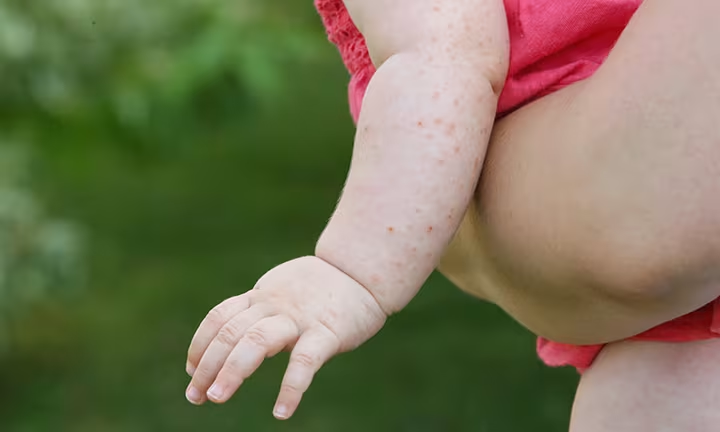
Heat Rash (Prickly Heat) in Babies and Toddlers
It's hard to see your baby come down with heat rash, which can be uncomfortable especially if it’s on her face, if she has heat bumps on her body, and if there’s itching involved. Although adults can get heat rash, too, newborns and toddlers are more susceptible to it. Read on to learn about the causes of heat rash, the types of home remedies that could be effective, and when you may need to see your child’s healthcare provider for treatment.
What Is Heat Rash and What Does It Look Like?
Heat rash is a condition that occurs when blocked sweat ducts prevent perspiration from evaporating. Instead, it becomes trapped under the skin and causes red or fluid filled bumps. Heat rash is most common in babies, toddlers, and young children during hot and humid weather.
What Causes Heat Rash on Your Baby?
Here are a few factors that that can cause heat rash or make it more likely to develop:
What Are the Signs and Symptoms of the Different Types of Heat Rash?
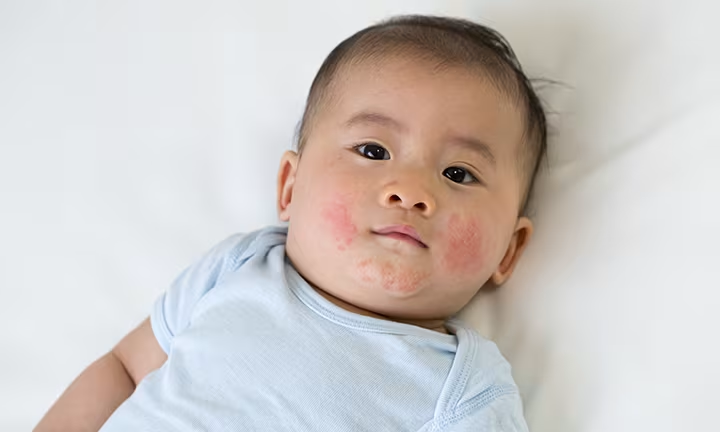
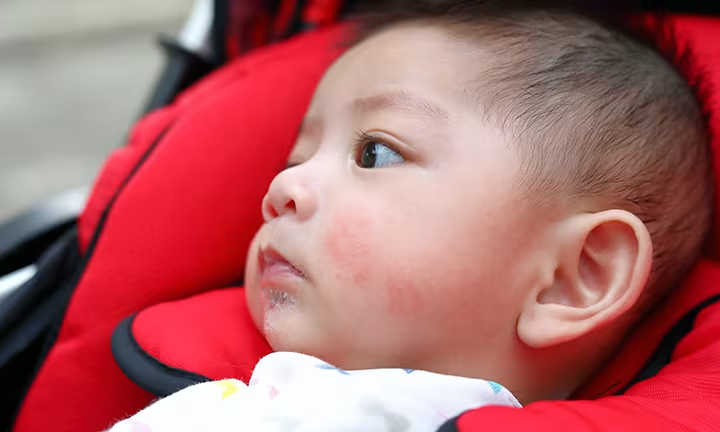
Heat rash appears as tiny red bumps around your child’s pores in the areas of his skin that tend to get moist, or in spots where clothing creates friction, such as the folds of his neck, upper chest, arms, legs, and his diaper area. There are several types of heat rash:
What Is the Treatment for Heat Rash on Your Baby?
Heat rash isn’t considered a serious condition, and it normally goes away on its own without special skin care or treatment beyond cooling the affected area. However, there are a few home remedies you can try to keep your child comfortable:
It’s best not to use ointments on your child’s heat rash because these can block the sweat ducts further. If these remedies don’t work to improve the heat rash, ask your healthcare provider for advice.
How Can You Prevent Heat Rash?
You can help prevent heat rash by taking the following precautions:
When Should You Contact Your Child’s Healthcare Provider?
Heat rash typically goes away in just a few days without causing issues, but if your child’s symptoms last longer or the rash seems to be getting infected, contact her healthcare provider for guidance and treatment. Signs of an infection include:
It may be difficult seeing your child in discomfort from a heat rash—just know that it will go away soon enough. Although heat rash may not always be avoided, there are some easy steps you can take to reduce the risk, and it’s worth keeping these in mind, particularly in the warmer months.
The information in this article is based on the expert advice found in trusted medical and government sources, such as the American Academy of Pediatrics and the American College of Obstetricians and Gynecologists. You can find a full list of sources used for this article below. The content on this page should not replace professional medical advice. Always consult medical professionals for full diagnosis and treatment.

Read more about Baby







Join Pampers Club and get:
- PAMPERS COUPONS
- TOOLS & QUIZZES
- PARENTING TIPS
 PAMPERS COUPONS
 TOOLS & QUIZZES
 PARENTING TIPS