Baby Diarrhea Guide
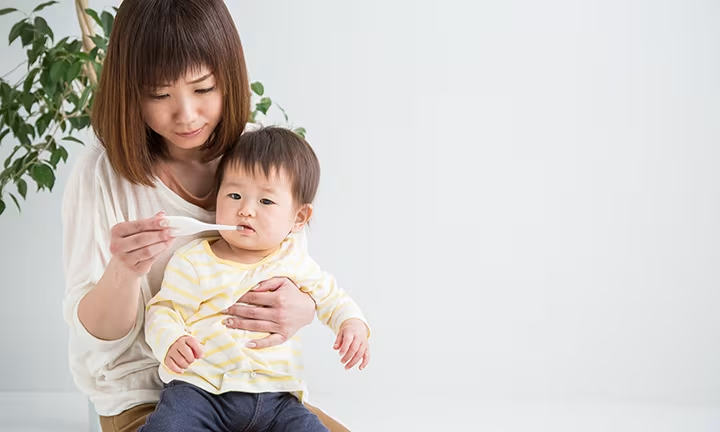
It's normal for your baby to have varying kinds of poop, even the occasional loose stool. However, if what comes out is very watery and happens again and again, your baby most likely has diarrhea. Diarrhea is uncomfortable and unpleasant, to say the least, especially when it comes to changing your baby or toddler's diaper. Find out what causes diarrhea, how you can treat or even prevent this condition, and when you may need to see your baby's healthcare provider for guidance.
What Is Baby Diarrhea and What Does It Look Like?
Diarrhea happens when the intestinal lining is irritated and can't properly digest or absorb the nutrients from the food your baby eats. The stools become watery and loose, and your baby may have more frequent bowel movements. Diarrhea can last for a few days or up to a few weeks if it's chronic. Along with the water in the stools, your child can also lose lots of important minerals and salts, which can result in dehydration. This is why it's important to rehydrate your little one with the right kind of fluids, avoiding sweetened drinks and fruit juices, which can further irritate the intestines as the sugars draw out even more water. During your baby's diarrhea, her healthcare provider may suggest you give her a store-bought electrolyte solution to rehydrate her.
Diarrhea Signs and Symptoms
Diarrhea consists of loose and/or watery stools that occur frequently. Other signs and symptoms that can accompany diarrhea include:
What Causes Diarrhea in Kids?
In young children, the main causes of diarrhea are viruses (such as norovirus and rotavirus); other causes of diarrhea include:
Diarrhea Treatment
The kind of treatment your baby’s healthcare provider recommends will depend on his diagnosis of what is causing the diarrhea in the first place, and how severe it is. There is no medication for diarrhea that is caused by a virus. Diarrhea caused by a virus tends to clear up on its own with time. Your child's healthcare provider may want to run tests to ensure the diarrhea is due to something else, however. In rare cases, diarrhea can be caused by bacteria or a parasite. If the provider suspects either of these, he will run a test on your child's stool, and then prescribe the appropriate medication if the test comes back positive. If the healthcare provider suspects the diarrhea is triggered by a food allergy or intolerance, he may run some tests and/or recommend a course of action, which may include an elimination diet. This means no longer giving your little one the foods that caused the diarrhea for a period of time to see if that resolves the diarrhea. Over-the-counter anti-diarrheal medicines are not recommended for children younger than 2 years old. These medicines can damage your child's intestines. Check with your child's healthcare provider before giving your little one any medication for diarrhea.
Treatment of Mild to Moderate Diarrhea
If your baby or toddler has diarrhea but no other symptoms (like vomiting, dehydration, and fever) and is behaving completely normally and eating normally, you may not have to seek treatment or make any adjustments to her diet. Continue to feed her regularly—whether that's with solid food, breast milk, or formula—as the episode of diarrhea may clear up on its own. If anything, you may consider reducing portion sizes of solid food. If your child is vomiting in addition to having diarrhea, you might consider giving her a store-bought electrolyte solution in place of her normal diet. But check with her healthcare provider first. Ask any questions you may have, especially about dosage and when to give the solution.
Treatment of Severe Diarrhea
If your baby or toddler has watery stools every couple of hours or more, get in touch with her healthcare provider. He may advise you to stop giving your child any solid foods for 24 hours and to avoid sugary drinks, broths that are high in sodium, and even water. Instead, he may recommend you give your child a store-bought electrolyte solution. These contain the necessary levels of minerals and salts to rehydrate your baby.
When to Seek Immediate Medical Attention for Diarrhea Treatment
It's a good idea to contact the healthcare provider whenever your child has diarrhea, even if it's mild. But in certain circumstances, it's especially important to notify the provider promptly or even immediately. If you notice your child has any of the following types of diarrhea, notify your provider, as your child may need to be evaluated and tested as soon as possible:
It's worth noting that a newborn or an infant often has varying colors of poop, including a yellowy poop, and these are typically not signs of diarrhea. If you're ever unsure, check with your baby's healthcare provider. Sometimes, your child may have additional symptoms. If this is this case, it may be a sign of a more serious medical condition that only your child's healthcare provider can diagnose. If you notice any of the following symptoms in your child along with diarrhea, notify the healthcare provider immediately:
Keeping Your Child Hydrated
Rehydration is really important during a diarrhea spell to prevent your child from getting dehydrated. If your baby is younger than 6 months old, keep her hydrated with breast milk or formula as water is not recommended for babies in the first six months. For babies and toddlers over 6 months old, you can keep giving the same liquids you would normally, like water, breast milk, or formula. Your baby or toddler's healthcare provider may recommend you use a store-bought electrolyte solution to help keep your little one properly hydrated, and may offer specific instructions on how to do this. Here are some general guidelines on giving your child an electrolyte solution:
If you are seeing signs of dehydration in your little one that include a decrease in wet diapers, no tears when she's crying, and sunken eyes and fontanelles, head to the closest emergency room. This type of dehydration may be severe and may require hospitalization so that your child can be rehydrated with intravenous fluids.
Preventing Diarrhea
Diarrhea isn't something you can prevent outright, but there are ways to lessen the chances of your child getting diarrhea associated with viruses, bacteria, or food poisoning:
FAQS AT A GLANCE
You shouldn't give your baby anything for diarrhea without consulting her healthcare provider first. Avoid giving any anti-diarrheal medicine to a child under 2 years of age as this can further damage the intestines.
Although diarrhea is unpleasant for both your baby and for you as you change her diapers, soon enough you'll be back to changing diapers with no unpleasant surprises, and your baby will be back to being content. Would you like to get rewarded for all those diapers you're changing? You deserve it now more than ever! The Pampers Club app is just for you. Simply scan the products you buy to get rewards points you can redeem for great swag for you or your little one. How cool is that!
The information in this article is based on the expert advice found in trusted medical and government sources, such as the American Academy of Pediatrics and the American College of Obstetricians and Gynecologists. You can find a full list of sources used for this article below. The content on this page should not replace professional medical advice. Always consult medical professionals for full diagnosis and treatment.

Read more about Baby


Join Pampers Club and get:
- PAMPERS COUPONS
- TOOLS & QUIZZES
- PARENTING TIPS
 PAMPERS COUPONS
 TOOLS & QUIZZES
 PARENTING TIPS