The 3-Day Potty Training Method—A Step-by-Step Guide


Key Takeaways
Thinking about the 3-day potty training method? It’s an at-home, all-in approach. Take off diapers during the day, but keep them for naps and nights. This three-day potty training method gives you a fast start, not a guarantee. Every kid learns at their own pace. The real trick? Wait until they’re ready and keep it positive. The 3-day potty training technique works for some, but follow your child’s lead.
We’ll walk you through how to get set up, what to expect every day, and what to do when things don’t go according to plan.
Signs of Potty Training Readiness
It feels like everyone’s got an opinion on when toddlers should be out of diapers, but the truth is—there’s no one-size-fits-all age for potty training. Every child grows in their own way. Check also: Baby Growth Chart Calculator. Some might be ready to go at 18 months, while others take until 3 (or even beyond!).
In fact, it’s totally normal for your preschooler not to be potty trained yet, even when trying the 3-day potty training technique.
If you’re unsure whether your little one is ready, watch for these potty training readiness signs in your toddler:
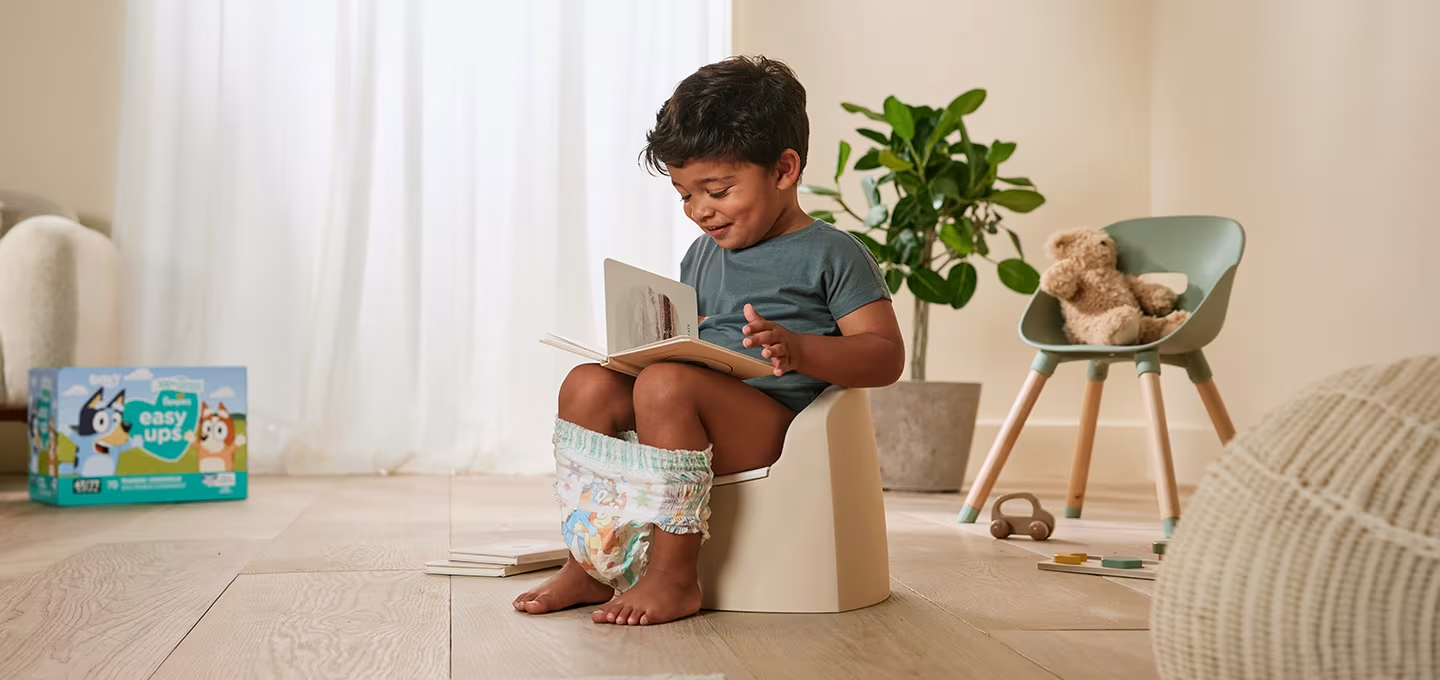
Trying potty training pants—like Pampers Easy Ups—can really help your little one during the process. They’re a lot like real underwear, with stretchy waistbands that make practicing independence a breeze. Easy Ups also provide day and night protection, helping support your child throughout potty training, whether they're practicing during the day or still need extra protection overnight. They can make the potty journey just a bit less stressful for both of you and provide hands-on practice during 3-day potty training.
Real-Time Signs Your Child Needs the Potty
Besides the big readiness clues, keep your eyes peeled for these quick cues your child might have to go—sometimes with only a split second’s warning:
If you spot these, move fast! Catching the moment helps a lot when you’re in the midst of a 3-day potty training or any other potty training approach.
4 Signs They’re Ready for Potty Training
#1
They start to communicate about potty time
They understand and use words associated with the potty, like pee and poop.
#2
They demonstrate the urge to go
They associate the urge to go with using the potty.
#3
They stay dry for longer time periods
They can stay dry for two hours or more.
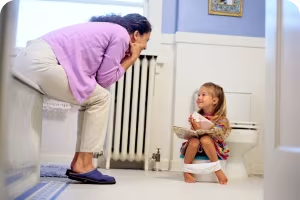
#4
They have the motor skills
They can follow the physical actions required: going to the potty, pulling up and down their pants, sitting and standing.
Choosing the Best Potty-Training Method for Your Child
There’s a ton of potty training methods out there, and it’s easy to get overwhelmed. From the famous three-day potty training method to slow-and-steady approaches, parents everywhere wonder: what’s the best potty training method? Honestly, research says no single method is right for every child; what matters most is matching your kid’s readiness and your family vibe. The three-day toilet training method may be popular, but it’s not the only option, and what counts most is finding what works for you.
The ‘best’ method is the one that fits your little one’s personality and lets you stay patient and encouraging. (That calm tone really works wonders!)
You’re not stuck with just one approach, either. Lots of families mix and match potty training methods. Examples?
Experts agree that children respond best when you blend talking, hands-on practice, and positive encouragement. Potty training should never feel like a race—it’s about supporting your child’s confidence and milestones, not checking a box. Whether you choose the 3-day potty method or a gradual routine, staying positive goes a long way.
Think about what works for your family, and don’t be afraid to switch gears. Some children love structure and routines, others do better with a chill, flexible approach. Remember, there’s no ‘right way’—just what helps your child feel happy and supported.

Baby Growth Chart Calculator
Keep an eye on your baby’s height, weight, and head circumference to average growth with our simple tool.
This is a mandatory field.
This is a mandatory field.
This is a mandatory field.
This is a mandatory field.
*Input details of your baby’s last measurements **Source: World Health Organization
The 3-Day Potty Training Method
Lots of parents consider the 3-day toilet training method—or hope for a miracle weekend—to get their toddler going fast. And yes, some families find success with potty training in 3 days, but the experts all agree: how ready your child is trumps how fast you go. There’s no best potty training method for every child; some move quickly, others take a little longer, and that’s totally fine. The 3-day potty training method offers a structured start, but it isn’t the only way to go.
Before diving into the three-day toilet training method, make sure your child:
Children who get anxious with sudden changes often scoop up skills better with a gradual potty training approach instead of a fast track like the 3-day potty training technique.
The 3-day potty training sometimes means going bare bum or skipping pants altogether, so your child really feels those body signals. Many families find this helpful (it’s the heart of pantless potty training), but always put your child’s comfort and confidence first!
Before You Start 3-Day Potty Training
Thinking of starting 3-day potty training? If your toddler is giving you all those readiness signals, a little prep goes a long way. Being set up means you’re less likely to lose your cool—and more likely to get in all those “you can do it! ” moments you’ll both need. Practicing with the 3 day potty training technique can help you set clear expectations.
Here’s what helps most:
| Item | Why It Helps |
|---|---|
Potty chair or toilet insert | Keeps things comfy and steady for your little one |
Makes climbing up safe, builds independent skills | |
Timer or phone alarm | Reminds everyone of regular potty tries (super useful!) |
Extra underwear | For those sure-to-happen accidents during potty training |
Cleaning supplies | No-stress, quick cleanups keep things upbeat |
| Stickers or simple rewards | Makes motivation, learning and positive vibes way easier |
3-Day Potty Training Schedule/Steps
Curious about how to potty train in three days? Having a step-by-step 3-day potty training method schedule makes the process a whole lot easier and way less stressful. Here’s a day-by-day breakdown.
Remember: all kids are unique, so keep your plan flexible and adapt as needed. Some learn fast, others need a few repeats.
Day 1: Building Awareness
The goal on Day 1 of your 3-day potty training schedule? Build awareness—not perfection.
Day 2: Building Consistency
Whether you’re trying to potty train a boy or wondering how to potty train a girl in 3 days, the basics are the same: potty training is about readiness and your child's unique personality, not their gender—but the 3-day potty training method can suit either and help you build a routine.
Day 3: Practicing Real-Life Skills
Some folks call this the 72-hour potty training method, but don’t get stuck on the clock: 3 days of potty training gets things rolling, but the process isn’t always finished. Every child's potty training timeline is different, and that’s totally okay.
Parents also ask…
Should I cancel any outings when doing the 3-day potty training method?
Yep—it’s best to stay home for at least the first three days. Fewer distractions mean your child can really listen to their body.
What if the 3-day potty training method doesn’t work out?
If you’re seeing lots of resistance or no movement after a few days, your child probably just isn’t ready yet. Take a break for a few weeks, then try again.
10 Tips for the 3-Day Potty Training Method
Thinking about using the three-day potty training method? Try to plan it for a long weekend when you can really focus. Here are some simple 3 day potty training tips to set you—and your kid—up for success:
Want extra tips? Our potty training tips guide covers everything!
Bonus Tip
Some families use the bare-bottom approach in three-day potty training, skipping undies and diapers, and letting their child sport a long tee or roomy PJs. This can help them tune in quicker to the potty urge. Whether you pick underwear or bare bottom, the most important thing is to stay supportive and flexible throughout the three-day potty training method or any routine.
What Happens After the 3-Day Potty Training Method?
So you’ve done the three-day toilet training method—now what?
Honestly, ‘success’ in three days rarely means zero accidents. Instead, check for progress like:
If things are going great…
Once you hit day four, keep your routines close and your encouragement flowing. You’ll probably still see some accidents—during outings, busy play, or changes—but over the coming weeks, practice becomes habit. Stick with it!
If the 3-day potty training method didn’t do the trick…
No big deal! If you had no luck after three days, don’t panic. Some little ones just need a bit more time. Try a gentle, slower approach or take a break for now, and watch for stronger readiness signs before your next go. If you’re feeling lost or stressed, chat with your child’s healthcare provider—they’ll have tips that fit your unique situation.
Remember: Potty training is a journey, not a sprint! Whether it happens in three days or three months, stay kind to yourself and your child along the way.
Parents also ask…
What if my child flat-out refuses to sit on the potty during the three-daypotty training?
This is super common, especially right at the start. Keep it light, don’t add pressure, and know that sometimes a break is all you need to keep progress going.
Can I use pull-ons or potty training pants at night while potty training?
Yes—sleep is a different ballgame. Nighttime dryness takes its own sweet time, so focus on daytime independence first and keep using overnight potty training pants or pull-ons while you wait.

FAQS AT A GLANCE
No potty-training method is totally foolproof, not even the three-day potty-training method. Many medical experts say combining different potty training methods works best and gets the best results in most children.
The Bottom Line
No matter if you lean into the three-day potty training method or pick and choose from a bunch of different potty training methods, remember—most potty training journeys take about six weeks, and for some little ones, even longer. Stay open, relaxed, and patient. Approaches such as the 3-day toilet training method can be a great start if you feel your child is ready.
There’s no single way to potty train, and it won’t happen overnight. Give your child—and yourself—time to figure things out, just like with any other big skill. Every toddler grows in their own way and on their own timeline, so keep cheering them on and celebrate milestones through your 3-day toilet training method or whatever approach fits your family best.
If you want to earn rewards on your diapers or potty training pants (might as well get something out of this adventure! ), download the Pampers Club app and get scanning.
- Toilet Training: Which Method Is Best? | HealthyChildren.org
- Toilet Training: When Are Kids Ready to Toilet Train?| Kids Health
- Potty Training: How to Get the Job Done | Mayo Clinic
- Among Healthy Children, What Toilet-Training Strategy Is Most Effective and Prevents Fewer Adverse Events (Stool Withholding and Dysfunctional Voiding)?| National Library of Medicine
- Toilet Training Children: When to Start and How to Train | National Library of Medicine
When to Start Potty Training: 7 Signs Your Child Is Ready
Wondering when to start potty training? Learn the signs of readiness, the best age to begin, and tips to help your toddler succeed.
Read more
Potty Training Chart and Reward Ideas—Including Printables
Potty training can sometimes be challenging. Our article provides tips and free printable potty-training charts to help keep your toddler on track.
Read more
When to Start Potty Training: 7 Signs Your Child Is Ready
Wondering when it’s time to start potty training? Watch for certain readiness signs to tell if your child is ready. Read more here.
Read more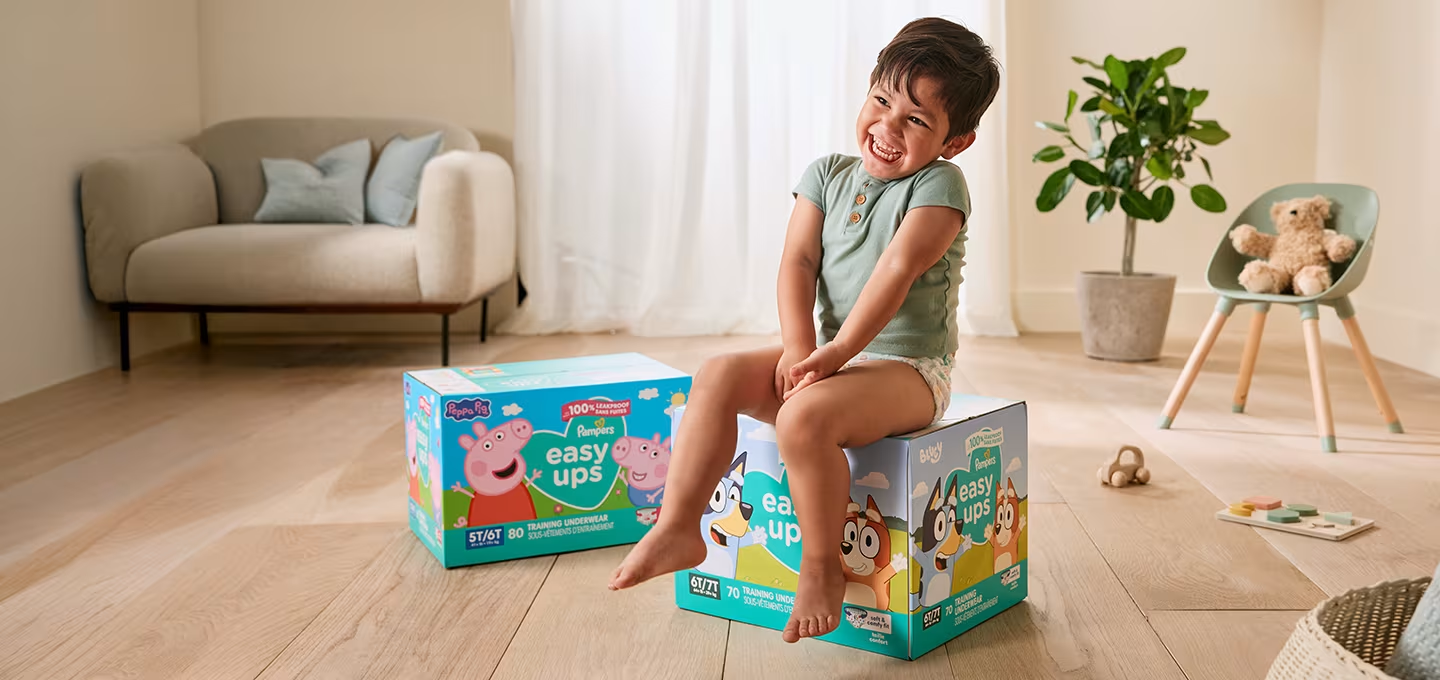
Nighttime Potty Training: When to Start and Tips to Help the Process
If your little one has mastered daytime dryness, it may be time to start nighttime potty training. We’ve got all the details, plus useful tips and tricks.
Read moreWhen to Start Potty Training: 7 Signs Your Child Is Ready
Wondering when to start potty training? Learn the signs of readiness, the best age to begin, and tips to help your toddler succeed.
Read morePotty Training Chart and Reward Ideas—Including Printables
Potty training can sometimes be challenging. Our article provides tips and free printable potty-training charts to help keep your toddler on track.
Read moreWhen to Start Potty Training: 7 Signs Your Child Is Ready
Wondering when it’s time to start potty training? Watch for certain readiness signs to tell if your child is ready. Read more here.
Read moreNighttime Potty Training: When to Start and Tips to Help the Process
If your little one has mastered daytime dryness, it may be time to start nighttime potty training. We’ve got all the details, plus useful tips and tricks.
Read moreWhen to Start Potty Training: 7 Signs Your Child Is Ready
Wondering when to start potty training? Learn the signs of readiness, the best age to begin, and tips to help your toddler succeed.
Read morePotty Training Chart and Reward Ideas—Including Printables
Potty training can sometimes be challenging. Our article provides tips and free printable potty-training charts to help keep your toddler on track.
Read moreWhen to Start Potty Training: 7 Signs Your Child Is Ready
Wondering when it’s time to start potty training? Watch for certain readiness signs to tell if your child is ready. Read more here.
Read moreNighttime Potty Training: When to Start and Tips to Help the Process
If your little one has mastered daytime dryness, it may be time to start nighttime potty training. We’ve got all the details, plus useful tips and tricks.
Read moreJoin Pampers Club and get:
- PAMPERS COUPONS
- TOOLS & QUIZZES
- PARENTING TIPS
 PAMPERS COUPONS
 TOOLS & QUIZZES
 PARENTING TIPS